- Prepare the Marinade
Grab a medium bowl and get ready for the easiest flavor combination you'll make all week. Pour in that 1/2 cup of soy sauce, watching as the dark liquid pools in the bottom. Add your 1/4 cup of balsamic vinegar, which will blend with the soy sauce in a way that looks oddly satisfying, like some kind of kitchen chemistry experiment.
Drizzle in 2 tablespoons of olive oil, which won't fully mix yet and that's totally fine. Toss in your freshly minced garlic (all four glorious cloves), then sprinkle in the dried thyme and rosemary. These herbs will float on top initially, looking like tiny green flakes on a dark sea. Add that 1/2 teaspoon of black pepper, and now comes the fun part.
Whisk everything together with gusto, watching as the oil emulsifies with the other liquids and all those herbs and garlic bits get distributed throughout. The aroma hitting your nose right now is just a preview of what's to come. This marinade should look glossy, smell incredible, and make you want to dip bread in it (don't, save it for the meat).
- Marinate the Meat
Place your London broil into a gallon-sized resealable bag, or if you're using a dish, make sure it's shallow enough that the meat isn't standing up like a tower. Pour that gorgeous marinade right over the beef, making sure to scrape every last drop from your bowl because waste not, want not.
If using a bag, squeeze out as much air as possible before sealing. You want that marinade in maximum contact with the meat, not sharing space with air bubbles. Squish it around a bit, making sure the marinade coats every visible surface of the beef. It should look like the meat is taking a luxurious spa bath in flavor town.
Pop this into your refrigerator and try to exercise some patience for at least 4 hours, though overnight is genuinely better. Set a reminder on your phone if you need to, because it's easy to forget about meat hanging out in your fridge. During this time, flip the bag or turn the meat every few hours if you remember, helping that marinade work its magic on all sides equally.
- Layer the Slow Cooker
When you're ready to start cooking, take that onion you've sliced into thick rounds and arrange them across the bottom of your slow cooker. They should cover the base pretty well, creating a flavorful cushion for your meat. These onions are going to caramelize slowly over the cooking time, becoming sweet and tender while preventing the meat from sitting directly on the hot ceramic.
Remove your London broil from its marinade bath, letting excess marinade drip back into the bag or dish. Don't pat it completely dry though, you want some of that flavorful liquid clinging to the surface. Reserve the marinade in the bag for now, don't toss it yet because we might want those flavors later.
Nestle the meat right on top of those onion slices, positioning it so it sits relatively flat. If your London broil is oddly shaped and wants to tip sideways, just do your best. The slow cooker is forgiving and the meat will settle as it cooks anyway.
Pour 1 cup of beef broth over and around the meat. The liquid should come maybe halfway up the sides of the roast, not covering it completely. You're creating a moist cooking environment, not making beef soup. The steam from this liquid combined with the meat's own juices will create the perfect braising medium.
- Cook
Slap that lid on your slow cooker and set it to low. This is crucial, we're going low and slow, not hot and fast. You want this baby cooking for 6 to 8 hours until the meat is so tender it practically falls apart when you look at it wrong.
Resist every urge to lift that lid and peek during cooking. Each time you open the slow cooker, you lose heat and moisture, which extends cooking time and can affect the final texture. I know it smells amazing and you want to check progress, but trust the process. Set a timer and walk away.
The 6 to 8 hour range exists because slow cookers vary in temperature and meat thickness affects cooking time. Start checking at the 6-hour mark by inserting a fork into the thickest part. If it slides in easily and the meat wants to shred when you twist the fork, you're done. If there's resistance, give it another hour.
- Serve
When your London broil has reached that perfect fall-apart tender stage, carefully remove it from the slow cooker using those sturdy tongs we talked about. Transfer it to a cutting board and let it rest for about 5 to 10 minutes. This rest time allows juices to redistribute throughout the meat rather than running all over your cutting board the second you slice into it.
While the meat rests, look at that gorgeous liquid remaining in your slow cooker. Those are your cooking juices, AKA liquid gold that you'll want to serve alongside or over your sliced beef. If the liquid seems thin, you can transfer it to a saucepan and simmer it down to thicken slightly, or just embrace it as a flavorful au jus.
Slice the London broil against the grain, this is important! Look at the meat and you'll see lines running in one direction, those are the muscle fibers. Cut perpendicular to those lines, not parallel with them. Cutting against the grain shortens those fibers, making each bite more tender. Aim for slices about 1/4 to 1/2 inch thick.
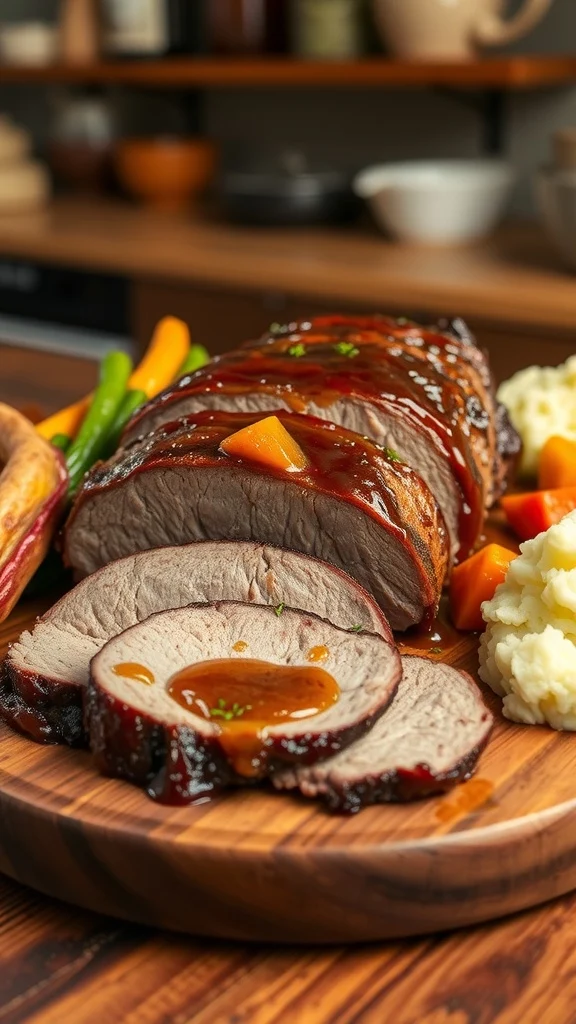
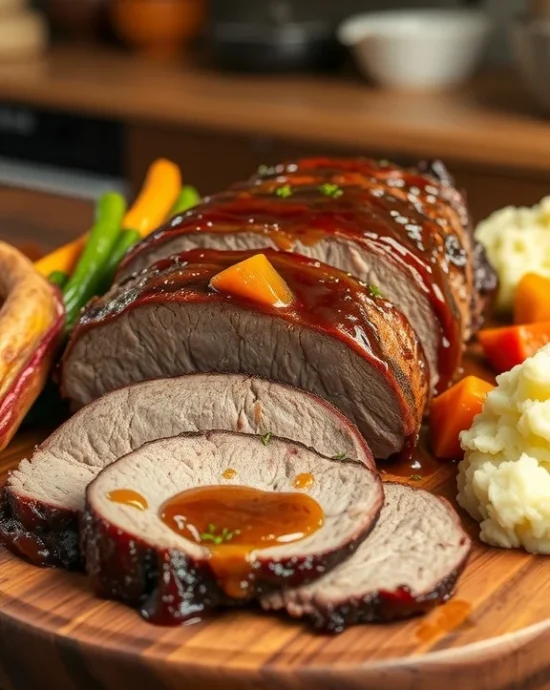
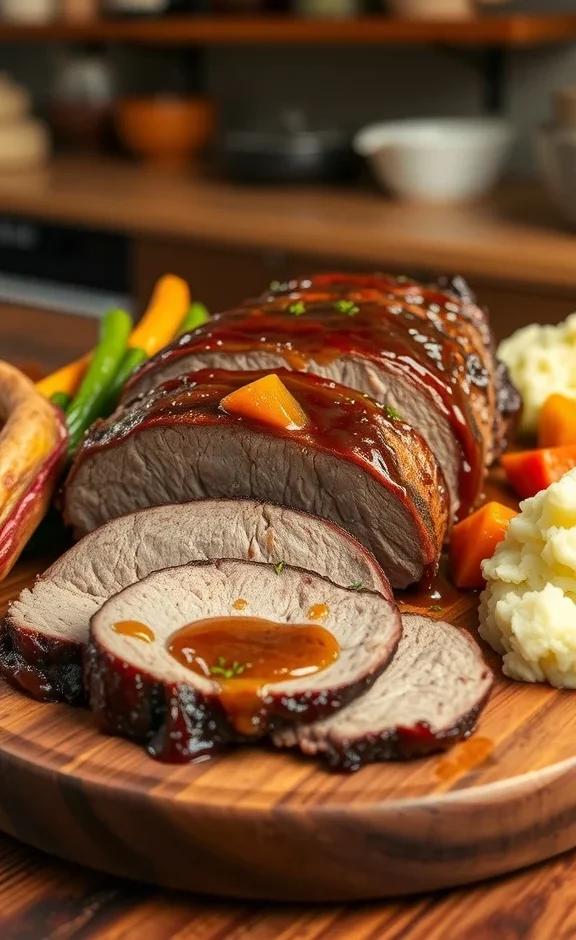
Arrange your beautiful sliced beef on a serving platter or individual plates, then drizzle some of those cooking juices over the top. The meat should glisten invitingly, practically begging to be devoured. Serve alongside your favorite sides, mashed potatoes, roasted vegetables, rice, whatever makes your heart happy.
These values represent satisfying, protein-rich nutrition that keeps you full for hours. The high protein content supports muscle maintenance and repair, making this an excellent choice for active individuals or those focusing on protein intake.
Fat content comes primarily from the meat itself and olive oil in the marinade, providing essential fatty acids and fat-soluble vitamins. Not all dietary fat is created equal, and the fats in quality beef contribute to hormone production and cellular function.
Protein Powerhouse
Thirty grams of protein per serving makes London broil an excellent choice for meeting daily protein needs. Beef provides complete protein containing all essential amino acids in proportions that humans can use efficiently.
Iron from beef is heme iron, the most bioavailable form that your body absorbs much more efficiently than plant-based non-heme iron. This matters especially for people at risk of iron deficiency.
B vitamins abundant in beef, particularly B12, support energy metabolism and neurological function. B12 exists naturally only in animal products, making beef an important source for those who eat meat.
Marinade Benefits
Garlic provides allicin and other sulfur compounds with potential cardiovascular benefits. While the amounts in marinade won't cure diseases, every bit contributes to overall health when consumed regularly as part of varied diets.
Herbs like rosemary and thyme contain antioxidants that may help reduce inflammation. These same compounds contribute to flavor while potentially offering mild health benefits.
Dietary Considerations
Low carbohydrate content makes this dish suitable for keto, paleo, and other low-carb eating patterns. The minimal carbs come from vegetables and marinade ingredients rather than starches or sugars.
Gluten-free when using tamari or gluten-free soy sauce accommodates those with celiac disease or gluten sensitivity. Always verify all ingredient labels to ensure no hidden gluten sources.
Higher sodium content from soy sauce and broth means those watching salt intake should consider low-sodium versions. You can always add salt to taste, but removing it after cooking is impossible.
- Calories:320 kcals
- Fat:18 grams
- Proteins:30 grams
- Carbohydrates:5 grams
Listen, this slow cooker London broil recipe is about to change your weeknight dinner game so dramatically that you’ll wonder how you ever survived without it. Picture yourself coming home after a long day to the most incredible aroma wafting through your house, making your stomach do happy flips before you even open the door. We’re talking about beef so tender it practically dissolves on your tongue, swimming in a rich, savory gravy that’ll make you want to lick the plate when nobody’s watching.
You know that moment when you bite into restaurant-quality meat that’s been cooking for hours and you wonder if you’ve accidentally stumbled into food paradise? That’s exactly what this recipe delivers, except you’re creating it in your own kitchen with minimal effort. The slow cooker does all the heavy lifting while you’re out living your life, whether that means working, binge-watching your favorite show, or pretending to exercise.
The best part about mastering this dish is how it tricks everyone into thinking you’re some kind of culinary wizard. Friends will beg for the recipe, family members will suddenly remember they haven’t visited in a while, and your reputation as “the one who can actually cook” will be solidified forever. Nobody needs to know it took you approximately ten minutes of actual work.
Why This Recipe Will Make You a Slow Cooker Convert
Let’s be real about London broil: when cooked wrong, this cut can chew like a leather boot that’s been left in the sun too long. But when you treat it right with low, slow cooking and proper marinating, it transforms into something so tender and flavorful that you’ll actually get emotional about beef. This isn’t an exaggeration, people have cried over properly cooked meat.
What makes this slow cooker method absolutely brilliant is how it turns an affordable, often overlooked cut into something that tastes like you spent twice as much at a fancy steakhouse. London broil is usually one of the more budget-friendly beef options at the grocery store, yet with patience and the right technique, it rivals cuts that cost significantly more per pound.
The marinade we’re using here isn’t just flavoring, it’s actually working on a molecular level to break down those tough muscle fibers. Soy sauce provides umami depth and salt for seasoning, while balsamic vinegar’s acidity tenderizes the meat and adds a subtle sweetness that balances everything perfectly. Toss in some garlic, herbs, and olive oil, and you’ve got a flavor bomb that penetrates deep into every fiber.
Slow cooking in liquid creates an environment where collagen breaks down into gelatin, which is exactly what you want happening to tougher cuts of meat. This process takes hours, which is why your slow cooker becomes your best friend. You can’t rush perfection, but you also don’t have to babysit it, which makes this the ideal solution for busy people who still want to eat like food actually matters.
The versatility factor deserves its own standing ovation. This beef works beautifully as the star of a traditional dinner plate, but it also shines in sandwiches, tacos, salads, grain bowls, or even chopped up and tossed into pasta. Make it on Sunday and you’ve got protein sorted for half the week without eating the exact same meal repeatedly.
The Fascinating Journey of London Broil
Here’s a fun fact that’ll make you the most interesting person at your next dinner party: London broil isn’t actually a cut of meat, it’s a cooking method. Mind blown, right? The name refers to the technique of marinating and broiling (or in our case, slow cooking) a thick cut of beef, typically top round or flank steak. The London connection is murky at best, and most food historians agree it’s probably an American invention with a fancy British name slapped on for marketing purposes.
My own London broil adventure started with a spectacular failure that taught me everything I needed to know about what NOT to do. I’d bought this gorgeous piece of meat, thrown it directly into the slow cooker with nothing but some water and a prayer, then wondered why it came out tasting like boiled sadness. The texture resembled shredded cardboard, and the flavor was so bland that even my dog looked disappointed.
The breakthrough came when I learned about the power of marinating, not just for flavor but for actual chemical tenderization. Acids in marinades don’t just sit on the surface looking pretty, they actually penetrate the meat and start breaking down proteins. This is science working in your favor, and it’s why patience during the marinating phase pays off exponentially in the final result.
Traditional preparation methods called for high-heat broiling, which works beautifully when you’re dealing with perfectly tender cuts and have impeccable timing. However, for those of us who get distracted by literally anything shiny and tend to forget we’re cooking until the smoke alarm reminds us, the slow cooker method offers forgiveness that broiling simply cannot match.
The slow cooker revolution of the 1970s transformed how Americans approached home cooking, making previously labor-intensive dishes accessible to people with jobs, kids, and lives beyond the kitchen. This London broil adaptation represents that same spirit of making restaurant-quality food achievable without requiring culinary school or an entire day devoted to cooking.
Modern food science has revealed why low and slow cooking works so magnificently for tougher cuts. Collagen, which makes meat chewy when cooked quickly, needs time and moisture to break down into gelatin. This transformation happens between 160°F and 180°F over several hours, which is exactly what your slow cooker provides. You’re literally converting tough into tender through patience and proper temperature control.
Essential Equipment & Kitchen Tips
Your Slow Cooker Setup
Creating perfect slow cooker London broil requires understanding your particular slow cooker’s quirks and personality. Yes, slow cookers have personalities, some run hot, some run cool, and some have cold spots that require you to rotate food halfway through cooking. Spend time getting to know yours like you would any important relationship in your life.
A 6-quart slow cooker works ideally for a 2 to 3 pound London broil, providing enough room for the meat to be surrounded by liquid without being completely submerged. Too small and you’re cramming everything in awkwardly, too large and your liquid might not create enough steam and moisture for proper cooking.
Slow cooker liners are a controversial topic in the cooking world, but honestly, they’re game-changers for cleanup. Some people claim they affect cooking, but in reality, they make the difference between a five-minute cleanup and scrubbing stuck-on bits for twenty minutes. Life’s too short for unnecessary dish washing, use the liner.
Must-Have Tools
A large resealable plastic bag or shallow dish becomes crucial for marinating. Bags work better than dishes because you can flip them easily to redistribute marinade without making a mess. Plus, they take up less space in your refrigerator, which is always at a premium unless you’re one of those mystical organized people with empty fridge shelves.
Sharp knives matter enormously when slicing your finished London broil. A dull knife will tear and shred the meat fibers instead of making clean cuts, turning your beautiful tender beef into stringy disappointment. If your knife can’t slice a tomato without squashing it, it’s time for a sharpening session.
Tongs with good grip help you maneuver the meat without piercing it and losing precious juices. Those flimsy tongs that came free with some random kitchen gadget set won’t cut it here. Invest in sturdy, spring-loaded tongs that feel substantial in your hand.
Pro Preparation Secrets
Room temperature meat cooks more evenly than refrigerator-cold meat, so pull your marinated London broil out about 30 minutes before it goes into the slow cooker. Cold meat hitting hot liquid can cause the exterior to cook too quickly while the interior remains tough.
Slicing the onion into thick rounds rather than thin slivers creates a flavorful bed that keeps the meat from sitting directly on the slow cooker bottom. This prevents potential sticking and allows liquid to circulate around the entire roast for even cooking.
Pro Chef Secrets & Advanced Techniques
Understanding Meat Science (It’s Cooler Than It Sounds)
The magic happening in your slow cooker isn’t just about heat and time, it’s about protein transformation at a molecular level. Collagen, the connective tissue that makes certain cuts tough, needs sustained heat between 160°F and 180°F to break down into gelatin. This sweet spot is exactly what slow cookers maintain, creating the perfect environment for tough to become tender.
London broil comes from the round or flank, muscles that get lots of exercise on the cow. More exercise equals more developed muscle fibers and more connective tissue, which translates to tougher meat when cooked quickly. However, these hardworking muscles also develop deeper flavor than tender cuts from less-used areas, which is why they taste so fantastic when cooked properly.
The marinade does double duty in this recipe. Acidic components (balsamic vinegar) start denaturing surface proteins even before cooking begins, while salt from the soy sauce acts as a flavor carrier that penetrates deeper into the meat. Enzymatic action from garlic contributes additional tenderizing while building complex flavor profiles.
Master-Level Marinating
Overnight marinating isn’t just a suggestion, it’s the difference between good and absolutely mind-blowing results. During extended marinating, osmosis allows flavors to penetrate several millimeters into the meat’s surface. The acidic environment also begins breaking down tough protein bonds before cooking even begins.
Bag flipping during marination ensures even flavor distribution. Gravity causes marinade to pool at the bottom of containers, so rotating helps all surfaces spend time bathed in those flavorful liquids. Set phone reminders every few hours if you’re marinating during waking hours.
Temperature control during marinating matters for food safety. Keep marinating meat between 35°F and 40°F at all times. Never marinate at room temperature, which creates ideal conditions for bacterial growth. Your refrigerator is the only safe place for this process.
Slow Cooker Optimization
Filling level affects cooking efficiency and final results. Slow cookers work best when filled between one-half and three-quarters full. Too empty and heat circulates inefficiently, too full and steam can’t move properly for even cooking.
Layering ingredients strategically puts harder-to-cook items on the bottom where heat concentrates, while more delicate ingredients stay toward the top. Onions on the bottom not only flavor the meat but also provide moisture and prevent sticking.
Resist adding liquid beyond what’s specified. Many cooks assume more liquid equals more moisture, but slow cookers trap steam so effectively that ingredients release their own moisture during cooking. Too much liquid dilutes flavors and creates soup rather than braise.
Advanced Flavor Building
Searing meat before slow cooking adds another dimension of flavor through the Maillard reaction. Heat a heavy skillet until smoking hot, sear each side of your marinated London broil for 2 to 3 minutes to develop a caramelized crust. This extra step isn’t necessary but elevates the final dish significantly.
Deglazing your searing pan captures all those flavorful browned bits left behind. Pour some of your beef broth into the hot pan, scrape up the fond (those stuck-on brown bits), then add this liquid to your slow cooker. You’ve just added concentrated beefy goodness to your braising liquid.
Finishing the cooking liquid transforms simple juices into restaurant-quality sauce. After removing the meat, strain the liquid to remove onion pieces and any solids. Simmer it in a saucepan with a pat of butter whisked in, creating glossy, rich sauce that clings beautifully to sliced beef.
Common Mistakes to Avoid (Learn from Others’ Pain)
The Marinating Mishaps
Skipping or shortening marinating time produces beef that’s technically cooked but lacks the depth of flavor and tenderness that makes this dish special. That marinade needs hours to work its magic, breaking down tough fibers and infusing flavor throughout the meat. Thirty minutes of marinating might as well be nothing.
Using a shallow wide dish instead of a bag often means half your meat sits above the marinade level, getting zero benefit from all those wonderful flavors. If you must use a dish, choose one where the meat fits snugly and marinade comes at least halfway up the sides.
Forgetting to flip or rotate your marinating meat creates one beautifully flavored side and one basically plain side. Gravity is real, and marinade settles at the bottom unless you redistribute it periodically.
Temperature Troubles
Cooking on high instead of low might seem like a time-saver, but it actually produces tougher, drier meat. Collagen needs slow, gentle heat to break down properly. High heat cooks the exterior too quickly before the interior reaches proper tenderness.
Opening the lid repeatedly during cooking drops the internal temperature significantly each time. Slow cookers take a surprisingly long time to regain lost heat, extending your cooking time unpredictably and potentially affecting final texture.
Starting with frozen meat sounds convenient but creates uneven cooking where exteriors overcook before centers reach safe temperatures. Always thaw meat completely in the refrigerator before marinating and cooking.
Slicing Slip-Ups
Cutting with the grain instead of against it leaves you with stringy, chewy bites no matter how perfectly you cooked the meat. Those muscle fibers need to be shortened through perpendicular cuts, not maintained through parallel ones.
Slicing immediately after cooking, before the meat has rested, causes all those delicious juices to flood out onto your cutting board instead of staying in the beef. Patience during resting pays off with every juicy bite.
Using a dull knife tears meat fibers instead of cleanly cutting through them, creating rough edges and less appealing presentation. Plus, dull knives are actually more dangerous than sharp ones because they require more pressure and are more likely to slip.
Liquid Level Errors
Adding too much liquid dilutes flavors and creates pot roast stew rather than braised beef. The slow cooker’s sealed environment means minimal evaporation, so liquids don’t reduce like they would in conventional cooking.
Using only water instead of flavorful beef broth misses an opportunity to build depth. Every ingredient should contribute to the final dish, and bland water does nothing but provide moisture without character.
Storage and Reheating Mistakes
Leaving meat in the cooking liquid during storage can make it mushy as it continues absorbing moisture and breaking down. Separate the meat from liquid once cooled, storing them in different containers.
Reheating in the microwave on high power turns tender slices into rubber as proteins seize up from rapid temperature changes. Gentle reheating in sauce on the stovetop or low power microwave maintains that tender texture.
Alternatives & Substitutions (When Life Throws Curveballs)
Meat Variations
Top round and flank steak work equally well as traditional London broil cuts. Top round tends to be slightly more tender with less pronounced grain, while flank steak has more texture and slightly beefier flavor. Either choice delivers excellent results with this cooking method.
Chuck roast substitutes beautifully if you can’t find London broil, though it’s naturally more tender and forgiving. Reduce cooking time slightly, checking for doneness around the 5-hour mark. Chuck also has more marbling, making it almost impossible to dry out.
Venison or bison can replace beef for those who prefer game meat or have access to these options. Use the same marinade and cooking technique, though cooking times might be slightly shorter as wild game is typically leaner. Monitor carefully to prevent overcooking.
Marinade Modifications
Worcestershire sauce can replace half the soy sauce for deeper, more complex umami flavors. The anchovies and tamarind in Worcestershire add dimensions that straight soy sauce cannot, creating sophisticated taste profiles.
Red wine vinegar substitutes for balsamic vinegar in a pinch, though you’ll lose some sweetness. Add a teaspoon of brown sugar or honey to compensate for balsamic’s natural sweetness when using more acidic alternatives.
Coconut aminos provide gluten-free, soy-free alternatives that taste remarkably similar to soy sauce. They’re slightly sweeter and less salty, so you might want to add a pinch of salt to your marinade when using them.
Allergy-Friendly Options
Gluten-free soy sauce or tamari replaces regular soy sauce seamlessly for those avoiding gluten. Tamari is actually traditionally gluten-free and often has richer flavor than many gluten-free soy sauce alternatives.
Low-sodium versions of soy sauce and broth accommodate those watching salt intake without sacrificing too much flavor. You can always add salt at the table, but you can’t remove it once it’s cooked in.
Herb and Spice Swaps
Italian seasoning replaces thyme and rosemary when you need to simplify or use what’s already in your pantry. Use about 2 teaspoons of Italian blend to approximate the flavor profile of the individual herbs.
Fresh herbs can substitute for dried at a 3:1 ratio, so you’d need 1 tablespoon each of fresh thyme and rosemary to replace 1 teaspoon of each dried herb. Add fresh herbs during the last hour of cooking to prevent them from becoming bitter.
Smoked paprika adds another layer of complexity if you want deeper, almost barbecue-like flavors. Just 1/2 teaspoon mixed into the marinade creates subtle smokiness that makes people wonder what your secret ingredient is.
Flavor Variations & Creative Twists
Asian-Inspired Version
Swap balsamic vinegar for rice wine vinegar and add 2 tablespoons of hoisin sauce to create Asian fusion flavors. Fresh ginger (about 2 tablespoons minced) joins the garlic for aromatic complexity that pairs beautifully with rice and stir-fried vegetables.
Sesame oil replacing half the olive oil contributes nutty, toasted notes that scream “takeout quality” without the takeout price. Finish with toasted sesame seeds and sliced green onions for authentic presentation.
Star anise added to the slow cooker (just one or two whole stars) infuses subtle licorice notes that create restaurant-level complexity. Remove before serving as the whole stars aren’t meant to be eaten.
Mediterranean Twist
Replace balsamic with red wine and add a tablespoon of tomato paste to the marinade. Dried oregano and basil join or replace the thyme and rosemary, creating Italian-inspired flavors that pair beautifully with pasta or polenta.
Kalamata olives and sun-dried tomatoes added during the last hour of cooking bring briny, intense flavors. These ingredients don’t need long cooking times and can become mushy if added too early.
Finishing with fresh lemon juice and chopped parsley brightens the entire dish. Acid added at the end wakes up flavors that might have mellowed during long cooking.
Southwestern Style
Cumin, chili powder, and chipotle in adobo transform the marinade into Mexican-inspired deliciousness. Use lime juice instead of balsamic and add sliced jalapeños to the slow cooker for heat that builds gradually.
Cilantro and lime wedges served alongside allow people to customize their flavor intensity. Serve in warm tortillas with avocado, creating slow-cooker beef tacos that’ll ruin you for fast food versions forever.
Coffee BBQ Version
Strong brewed coffee added to the marinade creates depth that’s hard to identify but impossible to ignore. The coffee’s bitterness balances sweet elements while adding complexity that makes people ask what makes this taste so good.
BBQ sauce stirred in during the last 30 minutes creates sticky, caramelized coating without burning. Let it reduce and concentrate into thick, finger-licking glaze.
Serving Suggestions & Pairings (Make It a Meal)
Classic Comfort Combinations
Creamy mashed potatoes soak up those gorgeous cooking juices like edible sponges. Make them extra indulgent with butter, cream cheese, and roasted garlic, creating a side dish worthy of the star attraction.
Roasted root vegetables (carrots, parsnips, sweet potatoes) bring natural sweetness that contrasts beautifully with savory beef. Toss them with olive oil and herbs, roast until caramelized, and you’ve got a complete meal that looks like you tried much harder than you did.
Green beans amandine or roasted Brussels sprouts add fresh, green contrast to the rich meat. The slight bitterness of cruciferous vegetables cuts through beef’s richness, cleansing the palate between bites.
Grain-Based Options
Creamy polenta provides luxurious base for sliced London broil, soaking up cooking juices while adding corn sweetness. Top with the beef and juices for Italian-inspired comfort food.
Rice pilaf or wild rice blend creates elegant presentations for dinner parties. The grains’ neutral flavors allow the beef to shine while providing textural contrast to tender meat.
Crusty bread for sopping up every last drop of juice is non-negotiable for those who appreciate not letting deliciousness go to waste. Warm it slightly, maybe brush with garlic butter, and watch it disappear.
Leftover Transformation Ideas
Beef and cheddar sandwiches on toasted bread with horseradish mayo turn leftovers into lunch worth getting excited about. Layer the meat thick, add sharp cheddar, and toast until cheese melts.
Breakfast hash combining diced beef with crispy potatoes and fried eggs starts your day with protein-packed satisfaction. The beef adds heartiness that transforms ordinary breakfast into something special.
Beef fried rice uses chopped leftovers stirred into day-old rice with vegetables and soy sauce. The meat’s already seasoned, so it brings flavor to the entire dish without additional work.
Temperature and Presentation
Serve London broil hot for traditional meals, letting steam rise dramatically when you bring it to the table. The visual of that tender, glistening meat creates anticipation before anyone even takes a bite.
Room temperature sliced beef works beautifully for buffets or picnics where hot serving isn’t practical. The flavors actually become more pronounced as the meat cools slightly.
Individual plating versus family-style serving depends on your occasion. Fancy dinner parties might call for carefully arranged individual plates, while family dinners benefit from everyone passing and serving themselves, creating casual, comfortable atmosphere.
Storage & Reheating Guide (Making It Last)
Optimal Storage Methods
Cool cooked beef completely before refrigerating to prevent raising your refrigerator’s internal temperature dangerously. Spread slices in a single layer on a baking sheet for fastest cooling, then transfer to storage containers once room temperature.
Store meat and cooking juices separately in airtight containers to prevent the beef from continuing to absorb liquid and becoming mushy. The juices can be reheated separately and poured over when serving.
Properly stored London broil lasts 3 to 4 days in the refrigerator, maintaining quality and safety throughout that time. Always check for off smells or colors before consuming leftover meat.
Freezing Techniques
Slice beef before freezing for easier thawing and portioning later. You can grab just what you need without defrosting an entire chunk.
Wrap portions tightly in plastic wrap, then aluminum foil, creating double barrier against freezer burn and odor absorption. Label with date and contents because future you will appreciate knowing what’s lurking in the freezer.
Frozen London broil maintains quality for 2 to 3 months, though it remains safe beyond that timeframe. Quality degrades over time even when properly frozen, so use within that window for best results.
Reheating Best Practices
Gentle reheating in sauce on the stovetop prevents toughening that occurs with high heat. Add sliced beef to a pan with some of the reserved cooking juices, warm over medium-low heat until just heated through.
Microwave reheating works when you’re short on time, but use 50% power and heat in short intervals. High power causes proteins to seize and toughen, turning tender beef into tough disappointment.
Oven reheating wrapped in foil with a splash of broth creates gentle, even warming. Set oven to 300°F and warm for 10 to 15 minutes until heated through but not dried out.
Frequently Asked Questions (Your Burning Questions Answered)
Can I cook this on high if I’m in a hurry?
Technically yes, but honestly, you’ll sacrifice tenderness and flavor development. High setting cooks in 3 to 4 hours but doesn’t allow collagen to break down as completely as low and slow cooking. The meat will be done but might be chewier than the fall-apart tender version you get from patient cooking. If you must use high heat, at least give it 4 to 5 hours and check frequently.
What if I forgot to marinate overnight?
Don’t panic, life happens! Even 4 hours of marinating is better than nothing, though overnight really is ideal. If you’re desperate and only have an hour, you can speed things up by scoring the meat’s surface with shallow cuts in a crosshatch pattern, creating more surface area for marinade to penetrate. The flavor won’t be quite as deep, but you’ll still get decent results.
How do I know when it’s actually done?
The fork test is your best friend here. Insert a fork into the thickest part of the meat and twist gently. If it slides in easily and the meat starts to shred or fall apart, you’re golden. If there’s resistance or the meat feels firm, it needs more time. You can also use a meat thermometer, internal temperature should reach at least 190°F to 200°F for that fall-apart texture we’re after.
Can I add vegetables to the slow cooker?
Absolutely! Potatoes, carrots, and other hearty vegetables can go in at the beginning of cooking. Add them around the meat, nestling them into the cooking liquid. More delicate vegetables like bell peppers or zucchini should be added during the last hour to prevent them from turning to mush. Mushrooms can go in about halfway through cooking.
Why is my meat tough even after 8 hours?
This usually means your slow cooker runs cool or your meat was exceptionally thick. Try cooking an additional hour or two, checking periodically. Sometimes London broil varies in thickness and density, requiring longer cooking times. If it’s still tough after 10 hours, you might have a slow cooker temperature issue worth investigating.
Can I use frozen meat?
Please don’t! Frozen meat won’t marinate properly, and cooking from frozen creates food safety concerns as the meat spends too long in the danger zone temperature range where bacteria thrive. Always thaw completely in the refrigerator before marinating and cooking. Plan ahead and move frozen meat to the fridge 24 hours before you want to start marinating.
What should I do with leftover cooking liquid?
That liquid is liquid gold, friend! Strain it to remove any solids, then use it as gravy over the meat and sides. You can also thicken it with a cornstarch slurry (equal parts cornstarch and water mixed smooth) if you want more gravy-like consistency. Freeze leftover liquid in ice cube trays, then pop them into soups, stews, or rice for instant flavor bombs down the road.
Is London broil the same as pot roast?
Nope, they’re different beasts! London broil refers to a cooking method (and the cuts typically used for it), usually top round or flank steak. Pot roast typically uses chuck roast and different cooking techniques. However, both work beautifully in the slow cooker, so if you see someone using these terms interchangeably, they’re probably just talking about slow-cooked beef in general.
Can I make this without soy sauce?
Sure thing! Worcestershire sauce mixed with a bit of salt makes a decent substitute, giving you that umami depth soy sauce provides. Coconut aminos work great for soy-free diets. In a real pinch, beef broth with a tablespoon of fish sauce (sounds weird, tastes amazing) can approximate that savory, salty quality you’re after.
How do I prevent my meat from drying out?
Make sure you’re cooking on LOW, not high, and ensure there’s enough liquid in the slow cooker. The meat should be partially submerged but not swimming. Don’t skip the marinating step, which helps the meat retain moisture. Finally, avoid overcooking beyond the 8-hour mark unless your meat genuinely isn’t tender yet. Even tough cuts can dry out if cooked excessively.
What’s the best way to slice London broil?
Always, always, ALWAYS slice against the grain. Look at your cooked meat and you’ll see lines running in one direction, those are muscle fibers. Cut perpendicular to those lines, not parallel. Use a sharp knife and make slices about 1/4 to 1/2 inch thick. Cutting against the grain shortens those muscle fibers, making every bite more tender regardless of how perfectly you cooked it.
Can I double this recipe?
You can, but make sure your slow cooker is big enough! A standard 6-quart slow cooker can handle up to about 4 to 5 pounds of meat comfortably. If you’re doubling, you might need to extend cooking time by an hour or two since there’s more mass to heat through. Check for doneness using the fork test rather than relying on time alone.
Why does my slow cooker have so much liquid at the end?
Slow cookers trap steam and moisture incredibly efficiently, plus the meat releases its own juices during cooking. This is actually a good thing! That liquid is packed with flavor. If it seems too thin, you can either serve it as-is (like au jus), or transfer it to a saucepan and simmer to reduce and concentrate flavors.
Can I add BBQ sauce to this?
Absolutely! If you want a BBQ twist, add your favorite BBQ sauce during the last 30 to 60 minutes of cooking. Don’t add it at the beginning or it might burn and become bitter. The late addition lets it thicken and caramelize slightly without overcooking.
Help! I accidentally cooked it on high for 8 hours!
Okay, deep breath. Your meat is probably overcooked and might be a bit dry or stringy. All is not lost! Shred it completely, mix it with plenty of the cooking liquid or some BBQ sauce, and use it for sandwiches, tacos, or nachos. The extra moisture and sauce will help mask any dryness, and shredded texture works perfectly for those applications.
Troubleshooting Guide (When Things Go Sideways)
When Your Meat Turns Out Tough
Insufficient cooking time is the most common culprit behind tough London broil. This cut needs a solid 6 to 8 hours on low to break down properly. Don’t trust the clock blindly, use the fork test to verify doneness. If it’s not tender enough, keep cooking and check every 30 minutes until it reaches that perfect fall-apart stage.
Cooking on high instead of low speeds up the process but sacrifices tenderness. High heat cooks the meat faster than collagen can break down, leaving you with cooked but chewy results. Switch to low heat and accept that good things take time.
Cutting with the grain instead of against it makes even perfectly cooked meat seem tough. Those muscle fibers need to be shortened through perpendicular cutting. If you’ve already sliced incorrectly, dice the meat small enough that grain direction becomes irrelevant.
Starting with a particularly tough cut can extend cooking time beyond normal expectations. Some London broils are just tougher than others depending on the specific muscle and how the animal was raised. When in doubt, cook longer and test frequently.
Flavor Problems and Solutions
Bland meat usually means inadequate marinating time or not enough seasoning in the marinade itself. Next time, extend marinating to at least 12 hours and consider adding a bit more soy sauce or salt. You can also season cooked meat with salt, pepper, and fresh herbs to boost flavor retroactively.
Overly salty results come from reduced cooking liquid concentrating sodium. If this happens, dilute the gravy with unsalted beef broth or water. Serve meat with unsalted sides like plain rice or potatoes that will absorb some of that saltiness.
Missing depth suggests your marinade needed more complexity. Garlic and herbs provide aromatic base, but don’t be afraid to experiment with additions like Worcestershire sauce, Dijon mustard, or even a splash of bourbon for extra layers.
Vinegary taste from too much balsamic can be balanced by adding a pinch of brown sugar or honey to the cooking liquid. The sweetness counteracts excessive acidity and creates better flavor balance.
Texture Disasters
Mushy meat happens when cooked too long or at too high a temperature for extended periods. Unfortunately, there’s no fixing overcooked meat, but you can repurpose it. Shred it completely, mix with BBQ sauce, and use for sandwiches where the sauce and toppings distract from texture issues.
Dry meat despite proper cooking often means your cut was particularly lean or you didn’t have enough liquid in the slow cooker. Save it by simmering slices in beef broth or the reserved cooking liquid to rehydrate somewhat. Serve with plenty of gravy to compensate.
Stringy texture usually indicates you’ve sliced with the grain instead of against it. The meat itself might be perfectly cooked, but improper slicing makes it seem tough. Dice or shred the meat to eliminate the stringy issue, then use in tacos, sandwiches, or rice bowls.
Rubbery exterior with tender interior suggests your meat wasn’t fully submerged in liquid or positioned properly. The exposed portions cooked differently than submerged parts. Next time, add more liquid or flip the meat halfway through cooking.
Slow Cooker Issues
Burning on the bottom happens when there’s insufficient liquid or your slow cooker runs hot. Always ensure at least 1 cup of liquid in the pot, and consider placing meat on a bed of vegetables to keep it off the direct heat source at the bottom.
Uneven cooking with some parts tender and others tough suggests your meat wasn’t positioned properly or your slow cooker has hot spots. Try to arrange meat as flat as possible, and rotate it halfway through cooking if you remember.
Liquid overflowing means you added too much liquid for your slow cooker’s capacity. Never fill a slow cooker more than three-quarters full. If you overfilled, carefully ladle out excess liquid before it bubbles over and makes a mess.
Condensation dripping from the lid is normal but can dilute flavors if excessive. Place a clean kitchen towel under the lid to absorb excess moisture, ensuring the towel edges don’t hang near the heating element.
Safety Concerns
Meat sitting in the danger zone (40°F to 140°F) for too long creates food safety risks. Always start with refrigerator-cold or room temperature meat going into a preheated slow cooker, never put frozen meat directly in. The slow cooker should reach safe temperatures within 2 hours.
Pinkness in cooked beef doesn’t necessarily mean it’s undercooked. Slow-cooked beef can retain pink color even when fully cooked and safe to eat. Use a meat thermometer to verify internal temperature rather than relying on color alone.
Leftovers left out too long become unsafe regardless of how well they were initially cooked. Refrigerate within 2 hours of finishing cooking, or 1 hour if the room temperature is above 90°F.
Reheating must bring food to 165°F throughout to ensure safety. Don’t just warm it, get it properly hot. Use a food thermometer to verify temperature in the thickest part.
Marinade Mishaps
Forgotten marinade in the bag happens to everyone eventually. If you remember before cooking starts, you can add some of the reserved marinade to the slow cooker for extra flavor. Just make sure it comes to a full boil first to kill any bacteria from raw meat contact.
Cross-contamination from marinade used on raw meat requires careful handling. Never reuse marinade that touched raw meat unless you boil it for at least 5 minutes first. Better yet, reserve some clean marinade before adding meat for basting or adding to the slow cooker.
Insufficient marinating container size means meat isn’t fully coated. Use bags or dishes where meat fits snugly and marinade reaches at least halfway up the sides. Flip or rotate periodically to ensure even coverage.
Final Thoughts (You’ve Got This!)
There’s something genuinely special about walking into a house that smells like slow-cooked beef has been working its magic all day. This slow cooker London broil recipe isn’t just about making dinner, it’s about creating an experience that makes your home feel welcoming and your cooking feel effortless. The satisfaction of pulling fork-tender meat from that humble appliance never gets old, no matter how many times you make it.
What I love most about this recipe is how it takes an affordable cut that many people overlook and transforms it into something restaurant-worthy. You’re not just saving money compared to fancy steaks, you’re actually creating something with deeper flavor and more satisfying texture than those premium cuts could ever achieve. There’s real pride in knowing you’ve mastered a technique that turns the ordinary into extraordinary.
The confidence you’ll gain from nailing this recipe extends far beyond just this one dish. Understanding how marinades work, how slow cooking tenderizes tough cuts, and how proper slicing affects texture will improve every aspect of your cooking. These aren’t just random tips, they’re fundamental techniques that apply to countless other recipes.
Every time you make this London broil, you’re creating more than just a meal. You’re building memories around your dinner table, whether that’s family gatherings where everyone reaches for seconds, or quiet weeknight dinners where the comfort food hits exactly right. Food has this amazing power to bring people together, and a dish this good becomes part of your personal greatest hits collection.
The beauty of slow cooker meals is they free you to live your life while dinner handles itself. You’re not chained to the stove, not stressed about timing, not worried about things burning or drying out. You can work, run errands, binge-watch shows, take naps, whatever you need to do, and dinner will be ready when you are.
The versatility means you’ll never get bored with this recipe. Make it classic one week, try the Asian-inspired version the next, go Mediterranean after that. Use the leftovers in sandwiches, tacos, fried rice, or grain bowls. One recipe becomes ten different meals depending on how you season it and what you serve alongside.
Perhaps most importantly, this recipe teaches patience and trust in the process. We live in a world of instant gratification, but some things genuinely cannot be rushed. Tender, flavorful beef requires time, and learning to embrace that slow transformation is a valuable lesson that extends beyond the kitchen.
The ripple effects surprise most people who master slow cooker cooking. Suddenly you’re meal-prepping without it feeling like a chore. You’re saving money on takeout because you have delicious leftovers ready to go. Your kitchen confidence skyrockets because you’ve proven to yourself that you can create restaurant-quality food at home.
So grab that London broil, mix up that marinade, and let your slow cooker work its magic. Your kitchen is about to smell absolutely incredible, your taste buds are in for a serious treat, and you’re going to feel like a culinary genius with minimal actual effort. That’s the kind of cooking win we all deserve.
Now go forth and slow cook some beef into submission. The tender, juicy, flavor-packed results will speak for themselves, and you’ll finally understand why slow cooker enthusiasts get so passionate about their recipes. Welcome to the club, friend, your life is about to get a whole lot more delicious with a whole lot less stress.