- Preparing Your Beef
Take the chuck roast out of its packaging and pat it completely dry with paper towels. This step matters more than it seems. Wet meat won't brown properly if you decide to sear it first, and excess moisture can dilute the cooking liquid. Set the roast on a cutting board and examine it for any large pieces of exterior fat. A little fat is good, but thick chunks won't render properly and just make the dish greasy.
Season both sides of the roast generously with salt and black pepper. Don't be timid here. Some of the seasoning will stay on the cutting board and some will dilute into the cooking liquid, so you need more than you think. I use my hands to really press the seasonings into the meat, making sure they adhere to the surface.
Some people like to sear the roast before slow cooking, and I've tried it both ways. Searing creates a flavorful crust through the Maillard reaction, adding an extra layer of complexity. However, it's completely optional and skipping it doesn't ruin the dish. If you want to sear, heat a tablespoon of oil in a large skillet over high heat and brown the roast for three to four minutes per side.
- Building Layers in Your Slow Cooker
Slice your onion into half moons about a quarter inch thick. Thick enough to hold their shape during cooking, but thin enough to soften properly. The bell pepper should be cut into strips roughly the same thickness. Keeping vegetables similar in size ensures even cooking, which is cooking 101 but easy to forget when you're rushing.
Place the sliced onions and bell peppers directly on the bottom of your slow cooker. This creates a bed that elevates the roast slightly and prevents the bottom from potentially scorching. The vegetables also release their own juices, which adds to the overall flavor of the dish. Spread them out evenly so the roast will sit level.
Carefully place your seasoned beef roast on top of the vegetables. Position it so there's some space around the edges for liquid to circulate. If the roast is too big and touches the sides of the slow cooker, it might cook unevenly. In that case, trim it slightly or consider cutting it in half.
- Adding Liquids and Seasonings
Open your jar of pepperoncini peppers and here's where people sometimes hesitate. You're going to pour the entire jar, juice and all, over the beef. The peppers will bob around in the liquid, which is fine. They'll flavor everything as it cooks. I usually nestle a few peppers directly on top of the roast for maximum flavor infusion.
Pour the beef broth around the roast, not directly over it. You want the liquid to come about halfway up the sides of the meat without completely submerging it. If your slow cooker is on the smaller side, you might need slightly less broth. The roast will release its own juices as it cooks, adding to the liquid level.
Open your packet of Italian dressing mix and sprinkle it evenly over the top of the roast. Try to distribute it as evenly as possible so every bite gets seasoned. The mix will dissolve into the cooking liquid and create this incredibly flavorful broth that becomes the sauce for your sandwiches.
- The Cooking Process
Put the lid on your slow cooker and make sure it's seated properly. Any gaps will let steam escape, which increases cooking time and can dry out your meat. Set it to low and resist every urge to lift the lid and check on things for the first several hours. Every time you lift the lid, you release heat and add 15 to 20 minutes to the cooking time.
After about six hours, you can start checking for doneness. The beef should be fork tender, meaning when you insert a fork and twist, the meat should pull apart easily. If it's still tough, give it another hour or two. The exact timing depends on your slow cooker and the thickness of your roast.
You'll know it's done when the meat is so tender it's almost falling apart on its own. The cooking liquid should be dark and rich, full of flavor from the beef and seasonings. The vegetables will be very soft and may have mostly dissolved into the liquid. This is exactly what you want.
- Shredding the Beef
Once the beef is perfectly tender, carefully remove it from the slow cooker using two large forks or a slotted spoon. Place it on a cutting board or large plate. Be gentle because it's so tender it might try to fall apart before you're ready.
Use two forks to shred the meat, pulling in opposite directions. The beef should come apart with almost no resistance. Shred it into pieces roughly the size of your thumb, not too fine. You want chunks that have some substance and texture, not meat confetti.
Return all the shredded beef to the slow cooker and stir it into the cooking liquid. Let it sit for about five minutes to reabsorb some of those flavorful juices. The meat will soak up the liquid like a delicious sponge, becoming even more flavorful and moist.
- Assembling Your Sandwiches
Split your hoagie rolls lengthwise but don't cut all the way through. You want them hinged so they hold together when loaded with meat and toppings. Toast the rolls if you like, which helps them stand up to all that juice without getting too soggy. I usually put them under the broiler for about a minute, watching carefully so they don't burn.
Use a slotted spoon to pile the shredded beef onto each roll. Let some of the cooking liquid drip off but don't shake it dry. That juice is flavor, and you want some of it on the sandwich. How much beef you pile on is a personal choice, but these sandwiches are supposed to be generous and slightly overwhelming.
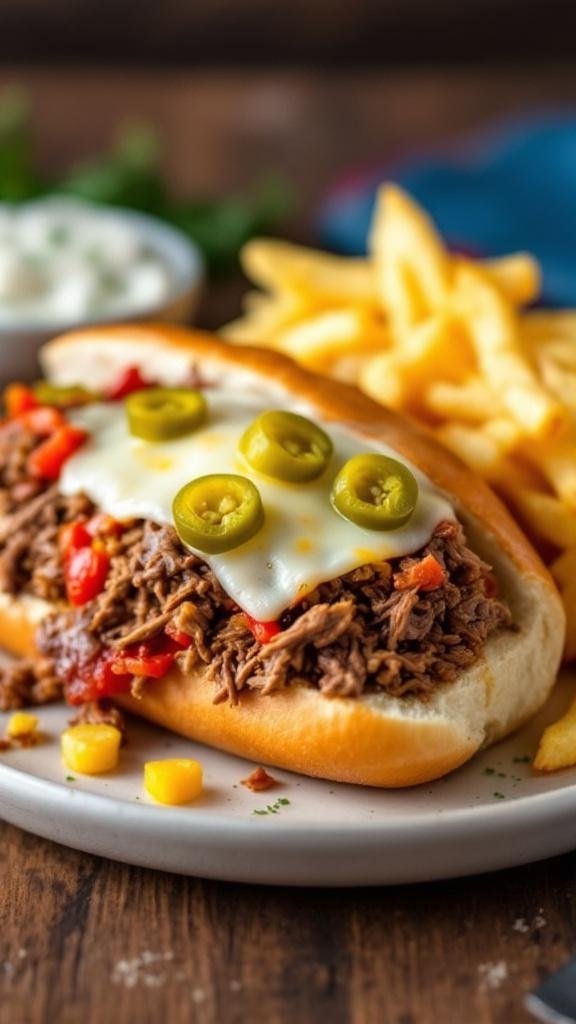
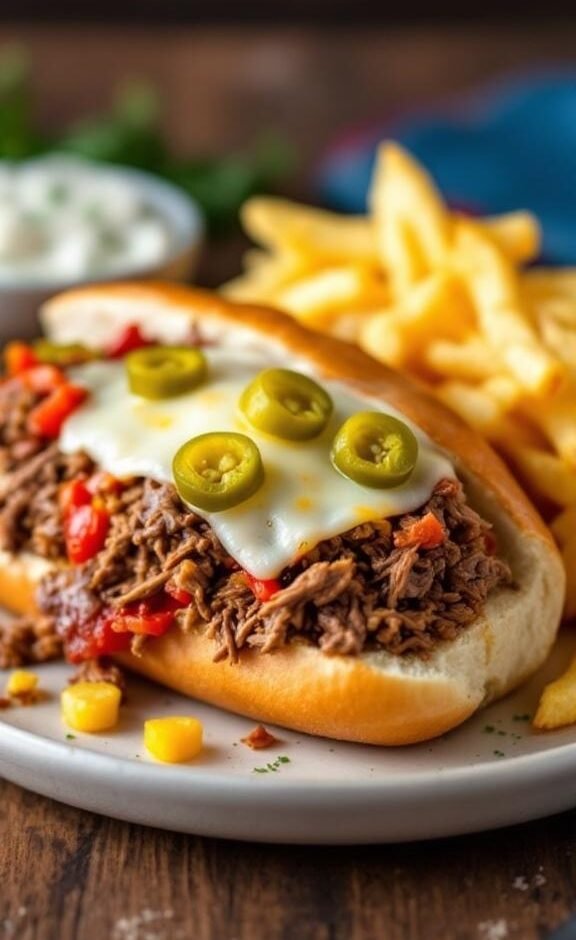
Layer provolone cheese slices over the hot beef. The heat from the meat will start melting the cheese immediately. If you want it extra melty, pop the assembled sandwich under the broiler for 30 seconds or microwave it for 15 seconds. Add some pepperoncini on top if you want extra tang and heat.
Serve each sandwich with a small bowl of the cooking liquid on the side for dipping. In Chicago, they call this "wet" versus "dry," referring to how much you dip your sandwich. Some people barely dip, others practically drown their sandwich. There's no wrong answer here, just personal preference.
- Calories:350 kcals
- Fat:20 grams
- Proteins:30 grams
- Carbohydrates:10 grams
Let me tell you about the time I discovered slow cooker Italian beef at a tiny sandwich shop in Chicago. The owner, a guy named Tony with flour on his apron and opinions about everything, handed me this sandwich that looked like it had been through a war. Juice dripped everywhere. The bread was soaked. The meat practically melted on my tongue. I stood there in his cramped shop, making embarrassing noises while eating, and I knew my life had split into two distinct periods: before this sandwich and after.
That experience haunted me for months. I tried recreating it at home with disastrous results. My first attempt turned the beef into leather. The second time, I used way too much liquid and ended up with beef soup. By the third try, my partner threatened to ban me from the kitchen if I made the house smell like peppers one more time. But I persisted because that’s what obsession looks like when it involves really good food.
This slow cooker Italian beef recipe is the result of probably twenty failed attempts and one breakthrough moment when everything finally clicked. The meat falls apart at the touch of a fork. The flavors are bold without being overwhelming. Most importantly, you don’t need to be a professional chef or own a sandwich shop in Chicago to nail it. You just need a slow cooker, some patience, and a willingness to trust the process.
Understanding Your Slow Cooker
Not all slow cookers are created equal, and this matters more than you might think. I have an older model that runs hot, so when recipes say cook on low for eight hours, I actually need to check it at six hours. My friend has a newer programmable one that’s so gentle she sometimes needs an extra hour. Getting to know your specific slow cooker takes a few tries, but it’s worth the learning curve.
The low setting typically maintains a temperature around 190 to 200°F, which is perfect for breaking down tough cuts of meat. High setting runs around 280 to 300°F, which cooks faster but doesn’t give the connective tissue as much time to transform into gelatin. For this slow cooker Italian beef, low and slow is the only way to go.
Size matters when it comes to slow cookers. A three to four pound roast fits perfectly in a six quart slow cooker with room for all the vegetables and liquid. If you’re using a smaller slow cooker, you might need to cut the roast in half or reduce the recipe. Cramming too much into a slow cooker means uneven cooking and possibly a mess when the lid doesn’t seal properly.
The Science of Slow Cooking Beef
Something almost magical happens to beef chuck when you cook it low and slow. The connective tissue, which is mostly collagen, begins breaking down into gelatin around 160°F. This process takes time, which is why slow cooking works so much better than trying to rush things at higher temperatures. That gelatin is what gives slow cooked beef its melt in your mouth texture.
Fat renders slowly during the cooking process, basting the meat from the inside and keeping everything moist. This is why lean cuts fail in the slow cooker. Without enough fat, the meat just dries out no matter how long you cook it. Chuck roast has the perfect ratio of meat to fat for this transformation.
The acidic pepperoncini juice also plays a role in tenderizing the meat. Acid helps break down proteins, which is why marinades often contain vinegar or citrus. In this recipe, that tangy pepper juice works its magic over eight hours, making the beef even more tender while adding flavor at the same time.
Temperature control is automatic with a slow cooker, which takes the guesswork out of the equation. You don’t need to monitor it constantly or worry about hot spots like you would with an oven. Set it and forget it actually works here, making this recipe perfect for busy days when you need dinner to cook itself.
Common Mistakes and How to Avoid Them
Using the wrong cut of beef is mistake number one. I’ve seen people try to use eye of round or bottom round, both of which are too lean for slow cooking. They come out dry and stringy no matter how long you cook them. Stick with chuck roast and save yourself the disappointment.
Forgetting to season the meat before cooking creates bland beef that no amount of flavorful cooking liquid can fix. The seasoning needs to penetrate the meat itself, not just flavor the outside. Salt and pepper the roast generously before it goes into the slow cooker.
Lifting the lid repeatedly to check on things is tempting but counterproductive. Trust the process and leave it alone for at least six hours. Your slow cooker knows what it’s doing, even if you’re feeling anxious about dinner.
Adding vegetables that cook faster than eight hours means they’ll turn to mush. Stick with hearty vegetables like onions and bell peppers that can handle the long cooking time. Save delicate vegetables for serving time rather than cooking them with the beef.
Not using the pepperoncini juice is a huge missed opportunity. That tangy brine adds depth and complexity that plain vinegar or water can’t replicate. Pour the whole jar in there and don’t look back.
Shredding the meat too finely makes the texture less interesting. You want substantial chunks that you can actually bite into, not pulled pork consistency. Shred it coarsely and let the pieces have some character.
Storage and Meal Prep Gold
This slow cooker Italian beef is actually better the next day after the flavors have had even more time to meld. Store the shredded beef in the cooking liquid in an airtight container in the refrigerator. It’ll keep for four to five days, giving you easy lunches or quick dinners all week long.
The beef also freezes beautifully. Portion it into individual servings with some cooking liquid in freezer safe containers or bags. Label them with the date and freeze for up to three months. When you want Italian beef, thaw it overnight in the refrigerator and reheat gently in a pot on the stove or in the microwave.
For meal prep, I sometimes make a double batch and freeze half immediately. Future you will thank present you when dinner is already done and just needs reheating. This is the kind of forward thinking that separates meal prep champions from people who panic order pizza on Tuesday nights.
Reheating is straightforward. For refrigerated beef, warm it gently in a covered pot over medium low heat, stirring occasionally. If it seems dry, add a splash of beef broth or water. For frozen beef, thaw completely first for best results, though you can reheat from frozen in a pinch by adding extra time and liquid.
The cooking liquid itself is incredibly flavorful and shouldn’t be wasted. Strain it and use it as a soup base, cook rice or pasta in it, or reduce it down into a concentrated sauce. Some people even drink it like broth, which sounds weird but is actually delicious.
Flavor Profile You’ll Dream About
The first thing that hits you when you bite into a properly made slow cooker Italian beef sandwich is the tender, almost buttery texture of the meat. Eight hours of slow cooking transforms tough chuck roast into something that practically melts. Your teeth barely need to work, which is the hallmark of perfectly cooked slow cooked beef.
Next comes the flavor complexity. The beef itself tastes deeply savory with that rich, mineral quality that only beef can provide. The Italian seasoning blend brings herbs and garlic into the mix, adding brightness and aromatic complexity. Oregano and basil make their presence known without being overwhelming.
Then the tangy pepperoncini juice cuts through all that richness with its acidic brightness. It’s not spicy hot, just pleasantly tangy with a mild pepper flavor. This contrast between rich beef and bright acidity is what makes the sandwich so crave worthy. Your palate never gets bored because the flavors balance each other perfectly.
The soft, slightly chewy hoagie roll provides textural contrast to the tender meat. The bread soaks up some of the juice, becoming flavorful and slightly soggy in the best possible way. If you toasted the roll, you get areas of crispness alongside the soft parts, which adds another dimension.
Melted provolone adds creaminess and a subtle tang that complements the beef. The cheese acts as a binder of sorts, helping everything stay together as you eat. It also adds richness that makes the whole sandwich feel more indulgent.
Serving Suggestions Beyond the Basic Sandwich
French fries are the classic accompaniment, and honestly, it’s hard to improve on tradition. The contrast between crispy fries and juicy beef is deeply satisfying. I usually make oven fries because they’re easier and less messy than deep frying, though feel free to go all out if you have a fryer.
A simple green salad with vinaigrette provides a fresh, light contrast to the rich sandwich. The acidity in the dressing echoes the tangy peppers and helps cut through the beef’s richness. Keep the salad simple with just lettuce, maybe some tomatoes and red onion, and a basic vinaigrette.
Coleslaw is another excellent choice, particularly if you make a vinegar based slaw rather than mayo based. The crunch and tang refresh your palate between bites of sandwich. Plus, some people like to pile coleslaw directly on their Italian beef, which might sound weird but is genuinely delicious.
Potato salad brings a creamy, comforting element to the meal. Choose whatever style you prefer, whether that’s classic mayo based or German style with vinegar. Both work well with Italian beef because they provide cooling contrast to the bold flavors.
For drinks, an ice cold beer is tough to beat. Something light and crisp like a pilsner or lager works better than heavy, hoppy beers. The carbonation and cold temperature cleanse your palate and make you ready for the next bite. If you’re not drinking alcohol, a cold soda or iced tea hits the spot.
Seasonal Twists Worth Trying
Summer calls for taking this outside and serving it at backyard gatherings. Set up a DIY sandwich bar with all the toppings and let people build their own. Add sliced tomatoes, fresh basil, and maybe some hot giardiniera for people who like extra heat. The slow cooker keeps the beef warm without heating up your kitchen, which is a win when it’s already hot outside.
Fall and winter are prime time for slow cooker Italian beef because rich, warming food just hits different when the weather cools down. Serve it with roasted vegetables or a hearty soup on the side. The house smells amazing while it cooks, which is basically aromatherapy for food lovers.
During the holidays, this makes an excellent alternative to traditional party foods. It feeds a crowd without requiring constant attention, freeing you up to actually enjoy your own party. Set out the slow cooker on a buffet table with rolls and toppings, and let guests serve themselves.
Spring might seem like an odd time for slow cooker Italian beef, but it’s actually perfect for those unpredictable weather days. When it’s rainy or surprisingly cool, this comfort food hits the spot. Serve it with lighter sides like a spring mix salad or roasted asparagus to keep things from feeling too heavy.
Recipe Variations That Actually Work
The classic version is delicious as written, but sometimes you want to mix things up. Here are variations I’ve actually tested and can vouch for, not just random ideas that sound good in theory.
For extra heat, add sliced jalapeños or a tablespoon of red pepper flakes along with the Italian seasoning. Some people also add hot giardiniera, which is a Chicago staple made of pickled vegetables in oil with peppers. It brings serious heat and more complex pickled vegetable flavors.
A Mississippi pot roast style version swaps some ingredients around. Use a packet of ranch dressing mix instead of Italian seasoning, and add a stick of butter on top of the roast before cooking. This creates a richer, more buttery sauce that’s ridiculously good but definitely more indulgent.
For a smokier version, add a tablespoon of liquid smoke to the cooking liquid. This gives the beef a flavor similar to what you’d get from actually smoking it, which is nice if you don’t have a smoker. Just don’t overdo it because liquid smoke is potent.
Beer braised Italian beef uses a bottle of dark beer instead of one cup of the beef broth. The beer adds maltiness and a subtle bitterness that complements the beef beautifully. Stouts and porters work particularly well, though any dark beer will do.
For au jus style, reduce the vegetables and increase the beef broth to three cups. This creates more cooking liquid, which you can serve alongside the sandwich for dipping. Some people prefer this wetter style because it’s more like the original Chicago Italian beef sandwiches.
Understanding Italian Beef’s Chicago Roots
Italian beef sandwiches were created in Chicago during the 1920s, reportedly by Italian immigrants looking to stretch expensive beef to feed large families at weddings and gatherings. Thin slicing and slow cooking in flavorful liquid made a little meat go a long way while keeping it tender and delicious.
The sandwich evolved into a Chicago staple served at Italian beef stands throughout the city. Each stand has its own special recipe and loyal following. People argue passionately about which place makes the best Italian beef, the way New Yorkers argue about pizza.
Traditional Chicago Italian beef is sliced thin rather than shredded, and it’s usually roasted rather than slow cooked. However, the slow cooker method has become popular because it’s easier at home and produces reliably tender results. The shredded version might not be traditional, but it tastes just as good.
The bread matters in Chicago. Italian beef sandwiches are served on specific rolls that are sturdy enough to hold up to all the juice without falling apart. French bread or hoagie rolls are the closest substitutes most of us can find outside Chicago.
Sweet peppers versus hot peppers is a choice you make when ordering. Sweet means regular roasted bell peppers, hot means spicy giardiniera or sport peppers. Most places offer both so you can customize your heat level.
Why This Slow Cooker Method Wins
Traditional Italian beef involves roasting and slicing, which is more work and requires more skill. The slow cooker method democratizes the dish, making it accessible to anyone with the appliance. You don’t need knife skills to shred beef with forks.
The hands off nature of slow cooking means you can prep this in the morning and forget about it until dinner. This is perfect for busy weekdays when you need dinner to cook itself. Come home to a house that smells amazing and dinner that’s already done.
Slow cooking makes the beef incredibly tender in a way that’s almost impossible to mess up. As long as you don’t open the lid constantly or use the wrong cut of meat, you’re basically guaranteed success. The method is very forgiving, which is great for less confident cooks.
The cooking liquid becomes this rich, flavorful sauce that would take hours to develop through other cooking methods. Slow simmering extracts every bit of flavor from the meat, bones, and seasonings. That concentrated flavor is what makes the sandwich so addictive.
Cleanup is minimal since everything cooks in one pot. No multiple pans or roasting dishes to wash. Just the slow cooker insert, which can often go in the dishwasher. Easy cleanup is underrated but matters a lot on busy weeknights.
Equipment That Makes Life Easier
A good quality slow cooker is the obvious essential. I prefer programmable models that automatically switch to warm after cooking time ends. This prevents overcooking if you’re running late and can’t get home exactly when the cooking time ends. Expect to spend 40 to 80 dollars for a decent one that’ll last years.
Size matters when choosing a slow cooker. For this recipe, six quarts is ideal. Smaller works if you’re cooking for two or three people, but you might need to reduce the recipe. Larger is fine too, though the beef might cook slightly faster because it’s more spread out.
Slow cooker liners are life changing if you hate cleanup. These disposable bags fit inside the slow cooker and contain all the food and liquid. When you’re done, lift out the bag and throw it away. The slow cooker insert stays clean. They cost a few bucks for a pack and are worth every penny.
A good slotted spoon or spider strainer helps remove the beef from the cooking liquid without taking all the liquid with it. You want to keep most of that flavorful broth for serving. Regular spoons work but slotted tools are more efficient.
An instant read thermometer isn’t essential for this recipe since the beef cooks until tender rather than to a specific temperature. However, it’s useful for other cooking projects and doesn’t hurt to have around. The beef should be around 200°F when fully tender.
Troubleshooting When Things Go Wrong
If your beef is tough after eight hours, keep cooking. Different slow cookers run at different temperatures, and a larger roast takes longer than a smaller one. Give it another hour or two. It’s almost impossible to overcook beef in a slow cooker, so more time usually fixes toughness.
Beef that falls apart into tiny shreds before you remove it from the slow cooker means it cooked a bit too long. This isn’t actually a problem for Italian beef sandwiches. Just accept the texture and proceed with building your sandwiches. It’ll still taste great.
Too much liquid in the slow cooker means your sandwiches might be soupy. Remove the beef and vegetables, then pour the liquid into a pot and simmer it on the stove to reduce and concentrate. This also intensifies the flavor, turning a potential problem into an improvement.
Not enough liquid means the top of your roast might dry out. Next time use a bigger slow cooker or more broth. For now, shred everything together and the moist parts will help moisten the drier parts. Serve with extra cooking liquid to compensate.
If the beef tastes bland, you probably under seasoned it initially or skipped the pepperoncini juice. Fix it by seasoning the shredded beef with salt and pepper after shredding. You can also add extra Italian seasoning at this point, though it won’t penetrate as deeply.
Mushy vegetables happen when they cook too long. Next time add them halfway through cooking, or just accept that slow cooker Italian beef isn’t about vegetable texture. Most of them dissolve into the sauce anyway, which is fine.
The Perfect Bread Makes a Difference
Hoagie rolls, also called sub rolls or hero rolls, are the traditional choice. Look for ones that are soft but sturdy, with enough structure to hold up when loaded with juicy beef. The roll should be at least six inches long and fairly wide to accommodate a generous portion of meat.
Fresh bread makes a huge difference. Day old rolls get too hard and don’t absorb the juice properly. If you can only get day old bread, toast it lightly to revive some freshness. Some people actually prefer the firmer texture of toasted rolls for structural integrity.
The interior texture matters as much as the crust. You want a soft, airy interior that can soak up juice without turning to mush. Dense, tight textured bread doesn’t work as well because it can’t absorb the flavorful liquid.
Sesame seed rolls add a nice nutty flavor and textural interest. Plain rolls work just fine too. Avoid anything with too many seeds or grains that might distract from the beef. This sandwich is about the meat, not the bread.
Some bakeries make specific Italian beef rolls that are designed to hold up to the juice while staying soft. If you can find these, they’re worth trying. If not, standard hoagie rolls from any grocery store work perfectly well.
Wine and Beer Pairings
For wine lovers, Italian red wines make sense given the dish’s heritage. Chianti has enough acidity to cut through the rich beef while its cherry notes complement the meat. Barbera is another great choice with its high acidity and moderate tannins.
Beer is honestly the more popular pairing for Italian beef sandwiches. Something crisp and refreshing works best to cleanse your palate between bites. Pilsners and lagers are classic choices that won’t overwhelm the food. Their light, clean flavors complement without competing.
IPAs can work if you like hoppy beers, though the bitterness sometimes clashes with the tangy peppers. Go for a more balanced IPA rather than something aggressively bitter. The hops can echo the herbal notes in the Italian seasoning.
For non alcoholic options, Italian sodas like Aranciata or Limonata bring bright citrus flavors that pair beautifully with rich beef. Their effervescence cleanses your palate and the citrus cuts through the fattiness.
Iced tea, particularly unsweetened or lightly sweetened, is refreshing and neutral enough not to compete with the bold flavors. Some people prefer sweet tea, which is fine too, though the sweetness can be cloying after a while.
Making It Your Own
Once you’ve mastered the basic slow cooker Italian beef recipe, experiment with variations that suit your taste. Add more garlic if you love garlic. Use hot Italian dressing mix instead of regular for extra spice. Make it uniquely yours.
Try different cheeses beyond provolone. Mozzarella melts beautifully and tastes mild. Sharp cheddar adds tang and boldness. Pepper jack brings heat. There’s no cheese police coming to arrest you for creativity.
Toppings can transform the sandwich completely. Try adding sautéed mushrooms, caramelized onions, or roasted red peppers. A drizzle of garlic aioli or pesto adds another flavor dimension. The basic beef is a blank canvas.
Some people add the shredded beef to pasta for an Italian beef pasta dish. Toss it with penne or rigatoni and some of the cooking liquid for a quick dinner that’s different from sandwiches. Add Parmesan cheese and fresh basil.
Use leftovers creatively. Add the beef to quesadillas, stuff it into baked potatoes, top pizza with it, or make Italian beef nachos. The flavorful meat works in all kinds of applications beyond sandwiches.
My Final Take on This Recipe
After years of making slow cooker Italian beef, I’ve learned that the magic isn’t in complicated techniques or hard to find ingredients. It’s in choosing the right cut of meat, seasoning generously, and having the patience to let time do its work. Eight hours feels like forever when you’re hungry, but the result justifies the wait every single time.
This recipe has become my go to for feeding crowds because it scales easily and requires minimal active cooking time. Double the ingredients for a party and you’re still only doing about 15 minutes of prep. The slow cooker handles everything else while you focus on being a good host.
What I love most is how this dish brings people together. There’s something about a great sandwich that breaks down barriers and starts conversations. People bond over food, and few foods are as universally appealing as tender beef on a soft roll with melted cheese.
The versatility keeps this recipe in my regular rotation. Basic enough for weeknight dinners but impressive enough for entertaining. Comfort food when you need it but also perfect for celebrations. This adaptability is what makes a recipe truly valuable.
Making food from scratch connects you to your meal in a way that takeout or convenience food never can. You control the quality, adjust the flavors to your preference, and create something with your own hands. That matters more than people sometimes realize.
So grab that chuck roast, set up your slow cooker, and get ready for some seriously good eating. Your kitchen is about to smell incredible for eight hours, and dinner will be waiting when you need it. That’s the kind of cooking magic we could all use more of in our lives.