- Prepare the Beef
Start by examining your flank steak and identifying which direction the muscle fibers run. You'll see clear lines going one way across the meat, that's the grain you need to cut against for tender results.
Place your flank steak on a cutting board and, if it's not already partially frozen, pop it in the freezer for about 30 minutes. This firms up the meat and makes slicing so much easier, trust me on this.
Once your beef is slightly firm, grab your sharpest knife and position it perpendicular to those grain lines. You want to cut across the grain, not with it, because this shortens the muscle fibers and creates tender bites instead of chewy strings.
Slice the beef into strips about 1/4 inch thick. Try to keep them relatively uniform so everything cooks evenly. Thinner is better than thicker here because the strips will be more tender and absorb sauce better.
Don't stress if your slices aren't perfectly uniform or magazine-photo-worthy. Slight variations won't ruin anything, and honestly, homemade food should look homemade rather than factory-produced.
- Sauté the Beef
Heat your skillet over medium-high heat and let it get properly hot before adding oil. A hot pan is crucial for good browning, so give it a solid minute or two to heat up.
Add your vegetable oil and swirl it around to coat the pan bottom. The oil should shimmer and move easily when the pan is hot enough. If you're not sure, drop a tiny piece of beef in, it should sizzle immediately.
Working in batches if necessary, add your beef strips to the hot pan. Don't overcrowd! If you dump everything in at once, the pan temperature drops and the beef steams instead of browns.
Let the beef sit undisturbed for about 1-2 minutes before stirring. You want actual browning, not just gray cooked meat. Those brown bits create flavor through the Maillard reaction, which is science-speak for "deliciousness happens."
Cook the beef for 3-4 minutes total, stirring occasionally, until most pieces have some brown color. The beef doesn't need to be fully cooked through since it's going into the slow cooker for hours, you're just building flavor here.
Once the beef is browned, use tongs or a slotted spoon to transfer it to your slow cooker. Leave behind any liquid that accumulated in the pan, you just want the browned meat.
- Add Vegetables
Slice your onion into strips or half-moons, whatever shape you prefer. Chunks work too, though strips integrate better with the beef and look more cohesive in the final dish.
Cut your bell peppers into strips roughly the same size as your beef pieces. This creates visual harmony and ensures everything cooks at similar rates. Nobody wants tiny pepper confetti mixed with big beef strips.
Mince your garlic cloves finely, or use a garlic press if you have one. The smaller the pieces, the more evenly the garlic flavor distributes throughout the sauce.
Add all your prepared vegetables, the onion, bell peppers, and garlic, right into the slow cooker with the beef. Give everything a little stir to distribute the vegetables throughout rather than having them all pile up in one spot.
- Make the Sauce
Grab a medium bowl and add your soy sauce, beef broth, brown sugar, ground ginger, black pepper, and cornstarch. The cornstarch is crucial here, so don't skip it thinking you'll add it later.
Whisk everything together vigorously until the mixture is completely smooth with no lumps of cornstarch visible. Cornstarch clumps if you don't mix it properly, creating weird texture issues in your final sauce.
Really get in there with that whisk, scraping the bottom and sides of the bowl where cornstarch likes to hide. The mixture should be uniform in color and consistency, looking like thin chocolate milk rather than chunky weirdness.
Taste your sauce at this point if you want. It'll be strong and salty because it's concentrated, but you can gauge whether it needs adjustments. Too salty? Add a splash of water. Not sweet enough? More sugar. This is your chance to personalize.
Pour this beautiful sauce mixture over the beef and vegetables in your slow cooker. Make sure you scrape every last bit from the bowl because that's liquid gold right there.
Use a spoon or spatula to gently stir everything in the slow cooker, ensuring the sauce coats all the beef and vegetables. You want even distribution so every bite gets adequate flavor.
- Cook
Place the lid on your slow cooker, making sure it's seated properly and creating a good seal. This is important for maintaining consistent temperature and moisture levels throughout the cooking process.
Set your slow cooker to low for 6-8 hours or high for 3-4 hours. Low and slow is the ideal method if your schedule allows because it creates the most tender beef with the best texture.
Walk away and resist the temptation to lift that lid and peek. Every time you open the slow cooker, you release heat and add cooking time. Unless something's burning or your smoke alarm is going off, leave it alone.
The beauty of slow cooker cooking is that the timing is flexible. If you set it for 6 hours but get stuck in traffic and don't get home until hour 7, the dish will be fine. Slow cookers are forgiving like that.
Check the beef after the minimum cooking time. It should be incredibly tender, pulling apart easily when you poke it with a fork. If it's still tough, give it another hour and check again.
- Serve
Once your pepper steak is done, give everything a good stir to redistribute the sauce and make sure all the ingredients are well combined. The sauce should have thickened nicely thanks to that cornstarch.
Prepare your serving bowls by adding a generous portion of cooked rice or noodles to each one. The rice acts as a sauce-absorbing base that makes this a complete, satisfying meal.
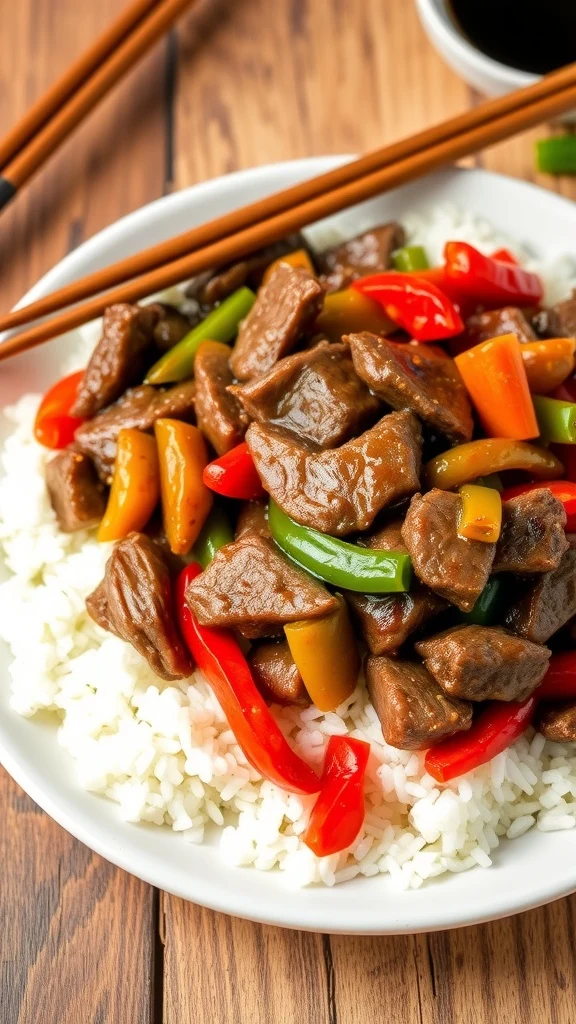
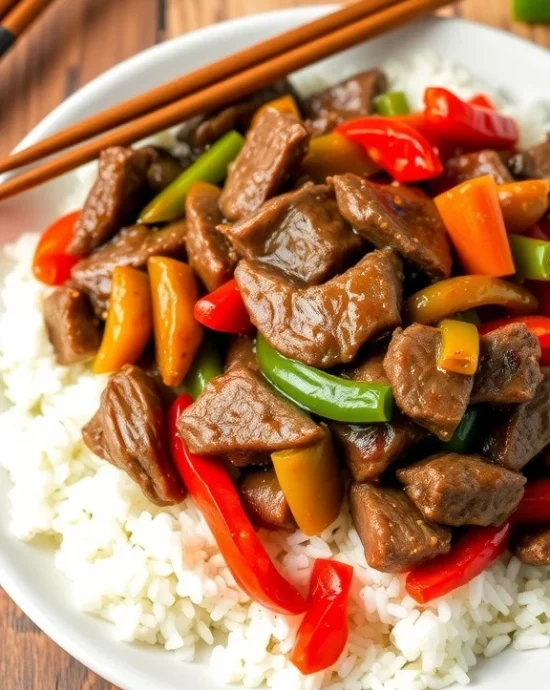
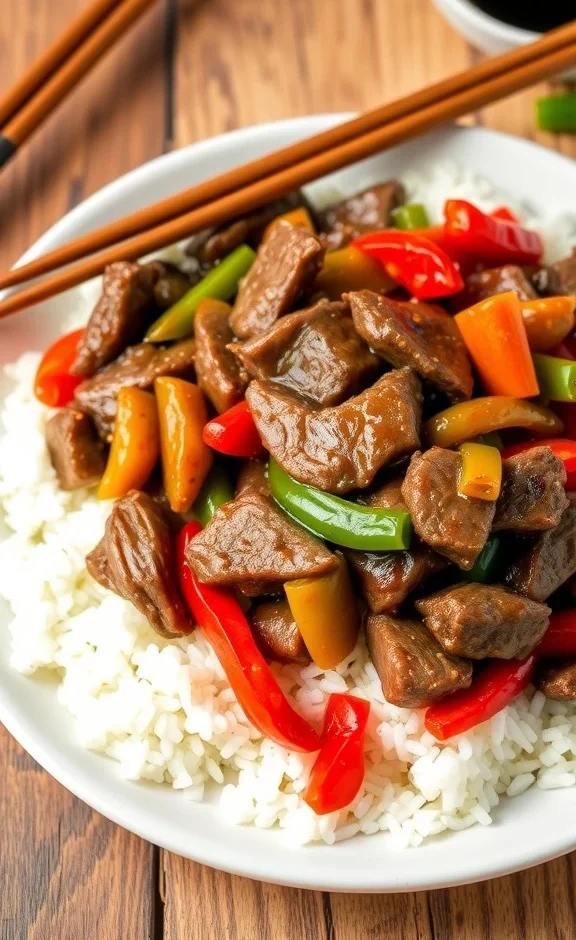
Ladle the pepper steak over the rice, making sure each serving gets a good mix of beef, peppers, onions, and plenty of that gorgeous glossy sauce. Don't be stingy with the sauce, that's where half the flavor lives.
If you're using garnishes, now's the time to sprinkle sliced green onions and sesame seeds over the top. These little touches transform the dish from "I made dinner" to "I made DINNER" in terms of presentation.
Serve immediately while everything's hot and the sauce is at peak glossiness. This dish is best enjoyed fresh, though leftovers are absolutely delicious too.
- Calories:320 kcals
- Fat:10 grams
- Proteins:30 grams
- Carbohydrates:25 grams
Slow cooker pepper steak is the kind of meal that makes you feel like an absolute culinary genius without actually requiring any genius-level skills. This isn’t some complicated restaurant technique that demands years of training, this is throw everything in a pot and walk away cooking at its absolute finest. When you come home to tender beef strips swimming in glossy sauce with peppers that still have a tiny bit of snap, you’ll wonder why anyone ever stands over a hot stove stirring things.
Picture walking through your door after a long day to the smell of savory beef, sweet peppers, and that unmistakable aroma of soy sauce mingling with garlic. Your slow cooker has been doing all the work while you’ve been living your life, and now dinner is literally ready to eat. No last-minute panic, no scrambling to figure out what’s for dinner, just pure comfort food waiting patiently for you.
The best part? This recipe costs a fraction of what you’d pay at a Chinese restaurant, tastes infinitely better because you control the ingredients, and creates enough leftovers to make you genuinely excited about lunch tomorrow. We’re talking serious meal prep potential here, folks.
Why This Recipe is Awesome
The Tender Beef Situation
Flank steak transforms into something magical when slow cooked for hours. What starts as a relatively tough cut becomes so tender you barely need to chew, with fibers that pull apart at the gentlest touch. This isn’t just convenient cooking, it’s actually creating better texture than you’d get from quick cooking methods.
The long, slow cooking process breaks down all those tough connective tissues without drying out the meat. You get beef that’s simultaneously juicy and tender, which is basically the holy grail of meat cooking that restaurants charge premium prices for.
Flavor Development That Can’t Be Rushed
Something happens during those six to eight hours that can’t be replicated in thirty minutes of stovetop cooking. Flavors don’t just combine, they actually transform and deepen, creating complexity that makes every bite interesting.
The sauce reduces gradually, concentrating its flavors while the beef releases its juices, creating this incredible savory base that tastes like it took way more effort than it actually did. This is the kind of depth that makes people ask for your recipe and actually mean it.
Perfect Pepper Texture Magic
Here’s the genius part: the peppers cook enough to soften and absorb flavors but retain enough structure to provide textural contrast. Nobody wants mushy peppers, and nobody wants raw, crunchy peppers in their pepper steak either.
The slow cooker hits that sweet spot where vegetables maintain integrity while becoming infused with all that beefy, saucy goodness. It’s like the equipment was specifically designed for this dish.
Ultimate Set and Forget Convenience
You genuinely can start this in the morning, leave for work, run errands, hit the gym, whatever your day involves, and come home to dinner. No stirring required, no temperature adjustments, no babysitting whatsoever.
This is cooking for people who have actual lives and responsibilities beyond monitoring pots. The slow cooker handles everything while you handle everything else, which is basically the dream scenario for anyone who eats food regularly.
The Story Behind Slow Cooker Pepper Steak
Chinese-American Origins
Pepper steak as we know it is a Chinese-American creation rather than an authentic Chinese dish. It evolved in American Chinese restaurants to appeal to Western palates, featuring ingredients and flavors that bridged both culinary traditions.
Traditional Chinese cuisine includes similar stir-fried beef and pepper dishes, but the saucy, slightly sweet version popular in the US developed specifically for American diners. Like many fusion dishes, it took the best of both worlds and created something entirely new.
My Journey to Slow Cooker Conversion
My pepper steak journey started with disappointing takeout that cost too much and never tasted quite right. The beef was always either too tough or weirdly slimy, the peppers were either raw or completely disintegrated, and don’t even get me started on the mystery sauce.
A slow cooker sat unused in my cabinet for months because I thought it was only for people who actually knew how to cook. Turns out, it’s actually for people who don’t want to spend their evenings actively cooking, which includes basically everyone I know.
The Breakthrough Moment
The revelation came when I realized that the slow cooker could do what stovetop methods couldn’t: create restaurant-quality tender beef without constant attention. That first batch came out so good that I genuinely questioned whether I’d accidentally ordered takeout and forgotten about it.
From that point on, slow cooker pepper steak became my go-to impressive meal that requires minimal impressive skills. It’s the kind of recipe that makes you look way more competent than you actually are.
Evolution and Personalization
Early batches followed recipes exactly, but confidence grew with each attempt. Now I adjust seasonings based on mood, throw in extra vegetables if they need using, and generally treat the recipe as a flexible framework rather than rigid rules.
This adaptability is what makes home cooking superior to restaurants. You control everything from salt levels to vegetable ratios, creating versions perfectly tailored to your preferences rather than settling for someone else’s interpretation.
Why Slow Cooking Works So Well Here
Beef benefits enormously from extended cooking times that break down tough muscle fibers. Quick cooking methods work for tender cuts, but slow cooking transforms affordable cuts into luxury-level texture.
The sauce has time to penetrate the meat completely rather than just coating the surface. Every bite delivers full flavor instead of that thing where the outside tastes great but the inside is bland.
Essential Equipment & Kitchen Tips
The Slow Cooker Basics
A six-quart slow cooker handles this recipe perfectly, providing enough space for all ingredients without overcrowding. Smaller models work if you’re cooking for fewer people, but don’t try cramming a full recipe into a tiny cooker.
Older models with simple low and high settings work just fine here. Those fancy programmable ones with delayed starts are nice to have but completely unnecessary for this straightforward recipe.
The Skillet Situation
You’ll need a regular skillet for browning the beef before it goes into the slow cooker. This step isn’t optional, it creates foundational flavor that you can’t get from just dumping raw beef into the pot.
A 12-inch skillet gives you enough surface area to brown beef properly without crowding. Crowded pans steam meat instead of searing it, which means you miss out on all that delicious browning.
Sharp Knife Requirements
Slicing raw beef thinly requires a seriously sharp knife. Dull knives make this task frustrating and potentially dangerous as you apply more pressure trying to cut through the meat.
Pop your flank steak in the freezer for about 30 minutes before slicing. The slightly frozen meat firms up and slices way more easily than completely thawed beef that wants to squish under your knife.
Mixing and Measuring Tools
A medium bowl and whisk handle sauce mixing perfectly. You want everything completely combined before it hits the slow cooker, and whisking ensures smooth sauce without lumps of cornstarch.
Measuring cups and spoons matter more here than in some recipes because the sauce ratios affect final consistency. Too much liquid creates soup, too little creates dry, saucy-less sadness.
Storage Containers
Glass meal prep containers with tight lids keep leftovers fresh and prevent the sauce from staining plastic. This dish reheats beautifully, so proper storage means enjoying it for days.
Label containers with dates if you’re making multiple batches or meals. Nothing worse than playing refrigerator roulette trying to remember which brown sauce is which dish.
Pro Chef Secrets & Advanced Techniques
Slicing Against the Grain Matters More Than You Think
This isn’t just pretentious chef talk, cutting against the grain literally changes the texture of your final dish. Muscle fibers run in lines through meat, and cutting across them creates short fibers that your teeth can easily break down.
Cutting with the grain leaves long fibers that your teeth have to work hard to separate, creating that chewy, stringy texture that ruins otherwise good beef. Take the extra thirty seconds to identify grain direction before slicing.
The Browning Step Creates Depth
Some recipes skip browning and just throw raw beef in the slow cooker. Don’t do this. The browning step creates hundreds of flavor compounds through the Maillard reaction that you simply cannot get from slow cooking alone.
Those caramelized bits on the beef surface add complexity and depth that separate “pretty good” from “holy cow, this is amazing.” It’s five extra minutes that make a huge difference in final results.
Cornstarch Timing is Critical
Adding cornstarch at the beginning with all the other sauce ingredients works because the slow, gentle cooking prevents clumping. Some recipes add cornstarch at the end, which works too but requires more active involvement.
Starting with cornstarch in the sauce means one less step later and creates consistent thickness throughout the cooking process. The sauce gradually thickens as it cooks, coating everything evenly.
Vegetable Size Consistency
Cutting peppers and onions into similar-sized strips ensures even cooking and creates better visual appeal. Wildly different sizes mean some pieces overcook while others stay too firm.
Aim for strips about the same width as your beef pieces. This creates harmony in each bite where every component is cooked to similar doneness levels.
Temperature and Timing Flexibility
The recipe gives time ranges because slow cookers vary in how they heat. Some run hotter than others, so your 6-hour mark might be someone else’s 7-hour mark. Start checking at the minimum time and go from there.
The beef should be fork-tender when done, meaning a fork inserted into the meat slides in easily and the beef pulls apart without resistance. If you’re still feeling toughness, keep cooking. Flank steak can’t really be overcooked in a slow cooker environment.
Sauce Thickness Adjustments
If your sauce seems too thin after cooking, mix another tablespoon of cornstarch with 2 tablespoons of cold water and stir it into the hot mixture. Let it cook on high for 15 minutes to thicken.
Too thick? Add beef broth or water a tablespoon at a time until you reach desired consistency. The sauce should coat a spoon but still flow easily, not glob up like gravy.
Common Mistakes to Avoid
Cutting With the Grain Instead of Against It
This is the number one mistake that ruins otherwise perfect pepper steak. If your beef comes out tough and chewy despite hours of cooking, you probably cut with the grain instead of against it.
Look at your raw flank steak before cutting and identify those parallel lines running through the meat. Your knife needs to cut perpendicular to those lines, creating cross-sections rather than following the fiber direction.
Once you get this right, the difference is dramatic. Same meat, same cooking time, completely different texture just from changing knife direction.
Skipping the Browning Step
Raw beef dumped straight into a slow cooker creates pale, gray meat that tastes one-dimensional. The browning step isn’t about cooking the beef through, it’s about creating flavor complexity.
Those caramelized surfaces add depth and richness that permeates the entire dish. Skip this step and your pepper steak will taste flat and boring despite proper seasoning.
Yes, it’s an extra five minutes and dirties one more pan. It’s also the difference between mediocre and memorable, so embrace the extra effort.
Overcrowding the Slow Cooker
Jamming too much beef into your slow cooker prevents even cooking and creates steamed meat instead of tender, braised perfection. Stick to 1.5 to 2 pounds maximum in a 6-quart cooker.
If you need to feed more people, use two slow cookers or make multiple batches. Quality beats quantity when you’re trying to impress people with your cooking skills.
Opening the Lid Repeatedly
Every time you lift that lid to check progress or smell the amazing aromas, you release heat and steam. This adds 15-20 minutes to your cooking time and can dry out the beef.
Set your timer, walk away, and trust the process. The slow cooker has been perfecting this technique since the 1970s, it knows what it’s doing. Your job is to stay out of the way.
Using the Wrong Cut of Beef
Tender cuts like sirloin or ribeye don’t benefit from slow cooking and actually turn mushy and weird. Save those for quick cooking methods where their tenderness shines.
Tougher cuts with more connective tissue, like flank or skirt steak, transform beautifully during extended cooking. The collagen breaks down into gelatin, creating that melt-in-your-mouth texture.
Alternatives & Substitutions
Beef Cut Variations
Skirt steak substitutes perfectly for flank steak with nearly identical results. It has similar grain structure and responds beautifully to slow cooking while staying relatively affordable.
Chuck roast cut into strips works wonderfully if you want even more tender results and don’t mind slightly higher fat content. The extra marbling creates incredibly rich, flavorful beef.
Sirloin strips work if you’re avoiding tougher cuts, though reduce cooking time to 4-6 hours on low since they’re already tender. They won’t have quite the same falling-apart texture but still taste delicious.
Vegetable Swap Options
Yellow and orange bell peppers bring different color and slightly sweeter flavor than green peppers. Use whatever combination appeals to you or happens to be on sale.
Add snap peas, broccoli florets, or sliced mushrooms during the last hour of cooking for extra vegetables. They’ll cook just enough without turning to mush.
Baby corn and water chestnuts bring Asian-inspired texture and appearance. Add them during the last 30 minutes so they maintain their characteristic crunch.
Soy Sauce Alternatives
Tamari works for gluten-free needs and actually tastes richer than regular soy sauce. Use the same amount and enjoy the enhanced depth it brings.
Coconut aminos provide soy-free options for allergies, though you’ll need about 3/4 cup instead of 1/2 cup and should add extra salt to compensate for milder flavor.
Liquid aminos split the difference between soy sauce and coconut aminos in terms of flavor and saltiness. Start with 1/2 cup and adjust to taste.
Sweetener Substitutions
White sugar works fine if brown sugar isn’t available, though you lose some of that molasses complexity. Use the same 2 tablespoons.
Honey creates slightly different sweetness with floral notes that some people prefer. Start with 1.5 tablespoons since honey is sweeter than brown sugar.
Maple syrup adds interesting depth, especially if you’re going for more complex flavor profiles. Use 2 tablespoons and embrace the subtle earthiness.
Broth Variations
Chicken broth substitutes easily if beef broth isn’t available, though the flavor will be slightly less robust. It still works perfectly fine and most people won’t notice the difference.
Vegetable broth works for pescatarian diets when using tofu instead of beef. Add a splash of soy sauce to compensate for missing meaty depth.
Thickening Agent Options
Arrowroot powder works if you avoid corn products, using the same 2 tablespoons. It creates similar glossy thickness without corn-derived ingredients.
All-purpose flour can substitute in emergencies, though you’ll need about 3 tablespoons and the sauce will be slightly cloudier. Mix it thoroughly with cold water before adding to prevent lumps.
Flavor Variations & Creative Twists
Spicy Szechuan Style
Add 1-2 tablespoons of chili garlic sauce or sriracha to your sauce mixture for heat that builds gradually. Red pepper flakes work too, start with 1/2 teaspoon and adjust up.
Szechuan peppercorns bring that distinctive numbing heat if you want authentic regional flavor. Toast them lightly and add about 1 teaspoon to the sauce.
Fresh jalapeños or serrano peppers sliced and added with the bell peppers create fresh heat with vegetal notes. Remove seeds if you want milder spice.
Mongolian Beef Inspired
Double the brown sugar to 1/4 cup and add 2 tablespoons of hoisin sauce for sweeter, more complex flavor reminiscent of Mongolian beef.
Add a splash of rice wine or dry sherry for authentic depth. Just 2 tablespoons transforms the flavor profile significantly.
Increase the garlic to 5-6 cloves for more pungent, aromatic results that garlic lovers will appreciate.
Teriyaki Fusion
Add 2 tablespoons of mirin and 1 tablespoon of sesame oil to the sauce for teriyaki-style sweetness and nuttiness.
Pineapple chunks added during the last hour bring tropical sweetness that pairs beautifully with the savory beef. Use fresh or canned, just drain canned pineapple first.
Finish with toasted sesame seeds and extra green onions for complete teriyaki presentation.
Korean BBQ Influence
Replace half the soy sauce with gochujang (Korean chili paste) for fermented heat and complexity. Start with 1/4 cup gochujang and adjust to taste.
Add 1 tablespoon of toasted sesame oil and 2 tablespoons of rice vinegar for tang and nuttiness characteristic of Korean flavors.
Pear juice or grated pear (about 1/4 cup) adds traditional Korean BBQ sweetness and helps tenderize the meat further.
Mushroom Lover’s Version
Add 8 ounces of sliced mushrooms (shiitake, cremini, or button) with your other vegetables. They absorb the sauce beautifully and add umami depth.
A tablespoon of oyster sauce enhances the mushroom flavor while adding complexity to the overall sauce profile.
Serving Suggestions & Pairings
Rice Varieties That Work
White jasmine rice brings subtle floral notes that complement the savory sauce without competing. Its slightly sticky texture holds sauce beautifully.
Brown rice adds nutty flavor and extra fiber, though it takes longer to cook and has chewier texture. Start it in a rice cooker before you leave for work so everything finishes together.
Fried rice transforms this into a complete one-dish meal. Make the fried rice separately, then top with pepper steak for restaurant-style presentation.
Cauliflower rice works for low-carb diets, soaking up sauce while keeping carbohydrates minimal. It doesn’t absorb liquid quite as well as regular rice but still provides a vehicle for all that flavor.
Noodle Options
Lo mein noodles create satisfying, slurp-worthy meals that feel more substantial than rice. Toss cooked noodles with the saucy beef and vegetables for fusion-style noodle bowls.
Rice noodles bring different texture and work especially well if you’re avoiding wheat. Their neutral flavor lets the pepper steak shine.
Ramen noodles, the good fresh kind from Asian markets, create restaurant-quality presentations. Skip the seasoning packet and let the pepper steak sauce do all the flavoring.
Vegetable Sides
Steamed broccoli adds green vegetables and nutritional balance. The florets catch sauce in their crevices, creating flavor pockets.
Stir-fried bok choy brings authentic Chinese vegetable pairing with slightly bitter notes that balance the sweet sauce. Quick high-heat cooking keeps it crisp.
Edamame provides protein-rich snacking alongside the main dish. Sprinkle with sea salt for simple preparation that doesn’t compete with the main flavors.
Creative Serving Ideas
Stuffed bell peppers get elevated when filled with pepper steak and rice. Cut peppers in half, fill with the mixture, and broil briefly for impressive presentation.
Lettuce wraps create lighter, fresher meals perfect for warmer weather. Use butter lettuce or romaine leaves, fill with beef and rice, and eat like tacos.
Egg rolls filled with pepper steak and cabbage make incredible appetizers or party food. The crispy exterior contrasts beautifully with tender filling.
Meal Prep Assembly
Build meal prep bowls with rice on the bottom, pepper steak in the middle, and steamed vegetables on the side. Keep extra sauce separate and add just before eating.
Vary your vegetables throughout the week for interest. Monday gets broccoli, Tuesday gets bok choy, Wednesday gets snap peas, preventing meal prep boredom.
Add different garnishes to each container for variety. Sesame seeds one day, crushed peanuts another, green onions the next. Small changes keep things interesting.
Beverage Pairings
Green tea, hot or iced, provides refreshing counterpoint to the rich, savory beef. The subtle astringency cleanses your palate between bites.
Beer pairs surprisingly well, particularly lagers or wheat beers that won’t compete with the strong flavors. Crisp, cold beer cuts through richness beautifully.
Red wine works if you prefer wine with beef, though choose lighter reds like Pinot Noir that won’t overpower the dish’s delicate balance.
Storage & Reheating Guide
Refrigerator Storage Best Practices
Store cooled pepper steak in airtight containers for up to 4 days in the refrigerator. Make sure it’s completely cool before sealing to prevent condensation.
Keep extra sauce with the beef rather than draining it. The sauce keeps everything moist during storage and reheating, preventing dry, sad leftovers.
Separate containers for rice and beef work if texture is crucial to you. Store them apart and combine when ready to eat for optimal freshness.
Freezer Storage Strategies
Freeze portions in individual containers or freezer bags for up to 3 months. Remove as much air as possible to prevent freezer burn.
Flash freeze individual portions on a baking sheet before transferring to bags if you want to prevent everything from freezing into one solid block. This lets you grab exactly what you need.
Label everything with contents and dates. Future you will appreciate knowing exactly what’s in each container and when it was made.
Reheating Methods
Microwave reheating works great for quick lunches. Add a splash of water or broth before heating to restore moisture. Heat in 30-second intervals, stirring between, until hot throughout.
Stovetop reheating creates the best texture for dinner portions. Add beef and sauce to a pan over medium heat, stirring occasionally until heated through. This method helps restore the sauce’s glossy appearance.
Maintaining Quality Over Time
Add fresh sauce when reheating if the beef seems dry or the sauce has been completely absorbed. Mix equal parts soy sauce, beef broth, and a pinch of brown sugar to recreate the flavor.
Garnish with fresh green onions and sesame seeds right before serving to make leftovers feel special. Sometimes presentation is all it takes to make day-old food exciting again.
Make-Ahead Strategies
Slice and marinate beef the night before, storing in the refrigerator. In the morning, just brown it quickly and dump everything in the slow cooker.
Chop all vegetables in advance and store in containers. Morning assembly becomes dump and go when everything’s already prepped.
Nutritional Benefits & Health Notes
Protein Powerhouse
Beef provides complete protein with all essential amino acids necessary for muscle maintenance and repair. Each serving delivers approximately 30 grams of protein.
Flank steak is relatively lean compared to other beef cuts, offering protein without excessive fat. It’s a smart choice for people tracking macronutrients.
Iron and Mineral Content
Red meat excels at providing heme iron, the most bioavailable form that your body absorbs easily. This is especially important for people prone to iron deficiency.
Zinc, selenium, and B vitamins round out beef’s nutritional profile, supporting immune function, thyroid health, and energy metabolism.
Vegetable Nutrition
Bell peppers provide vitamin C in abundance, actually containing more than oranges. They also offer vitamin A, potassium, and beneficial antioxidants that support overall health.
Onions and garlic bring prebiotic fiber that supports gut health while providing anti-inflammatory compounds. Their sulfur compounds may support cardiovascular health.
Sodium Considerations
Using regular soy sauce means this dish contains significant sodium. Balance by limiting added salt elsewhere in your meal and drinking plenty of water.
Low-sodium soy sauce cuts salt content by 40-50% without sacrificing flavor. This simple swap makes the dish more appropriate for people watching sodium intake.
Pairing with unsalted rice and vegetables helps balance the overall sodium load of your meal. Skip salting the rice since the sauce provides plenty.
Balanced Meal Creation
Serving over rice with vegetables creates balanced meals with protein, complex carbohydrates, and fiber. This combination provides sustained energy without blood sugar crashes.
Portion control matters even with healthier preparations. Reasonable serving sizes satisfy without overdoing calories or sodium, letting you enjoy delicious food without guilt.
Frequently Asked Questions
Can I use a different cut of beef for this recipe?
Absolutely! Chuck roast cut into strips creates even more tender results, though it has higher fat content. Sirloin works if you prefer leaner meat, just reduce cooking time to 4-6 hours on low since it’s already tender.
Avoid premium cuts like ribeye or tenderloin because slow cooking turns them mushy. Save those expensive cuts for quick-cooking methods where their natural tenderness shines.
Why is my beef tough even after slow cooking?
The most common cause is slicing with the grain instead of against it. Those muscle fibers need to be cut short for tender bites. Check your slicing technique for next time.
Another possibility is insufficient cooking time. Flank steak needs at least 6 hours on low to break down properly. Keep cooking until the beef pulls apart easily with a fork.
Can I make this without browning the beef first?
You can, but you really shouldn’t. Browning creates flavor complexity through the Maillard reaction that you can’t get from slow cooking alone. It’s five extra minutes that dramatically improves the final dish.
If you absolutely must skip it due to time constraints, the dish will still be edible but noticeably less flavorful. The beef will taste one-dimensional instead of rich and complex.
How do I prevent my peppers from getting too mushy?
The timing in this recipe is designed to keep peppers tender but not mushy. If you’re getting mush, try adding peppers during the last 2-3 hours of cooking instead of at the beginning.
Another option is cutting them into larger chunks that maintain structure better. Thick strips hold up to long cooking better than thin, delicate pieces.
Can I double this recipe?
Only if your slow cooker is large enough to hold everything comfortably with at least an inch of space at the top. Overcrowding prevents even cooking and can cause food safety issues.
If you need more food, use two slow cookers rather than cramming everything into one. Better to make two perfect batches than one mediocre overcrowded mess.
What’s the best way to slice flank steak thinly?
Freeze the steak for 30 minutes first to firm it up. Partially frozen meat slices way more easily than fully thawed beef that squishes under your knife.
Use your sharpest knife and cut perpendicular to the grain in smooth, confident strokes. Thin slices, about 1/4 inch, work best for maximum tenderness.
Can I cook this on high instead of low?
Yes, use high heat for 3-4 hours if you’re short on time. The beef won’t be quite as fall-apart tender as the low method, but it’ll still be delicious and fully cooked.
Some people prefer slightly firmer texture from high-heat cooking, so this isn’t necessarily inferior, just different. Experiment to find your preference.
How do I know when the pepper steak is done?
The beef should be fork-tender, meaning a fork slides in easily and the meat pulls apart without resistance. If you’re still feeling toughness, keep cooking.
The sauce should have thickened to coat-a-spoon consistency, and the peppers should be tender but not mushy. These visual and textural cues confirm doneness.
Can I add other vegetables to this recipe?
Definitely! Mushrooms, snap peas, broccoli, and water chestnuts all work beautifully. Add heartier vegetables like mushrooms with the peppers, while delicate ones like snap peas go in during the last hour.
Too many vegetables can make the dish watery as they release moisture. Stick to 2-3 cups total added vegetables for best results.
Why is my sauce too thin?
The cornstarch might not have activated properly, or your slow cooker might run cooler than average. Mix another tablespoon of cornstarch with 2 tablespoons cold water and stir into the hot mixture.
Cook on high for 15-20 minutes to thicken. The sauce should become glossy and thick enough to coat the beef nicely.
Troubleshooting Guide
When Your Beef Stays Tough
Tough beef after adequate cooking time usually means you sliced with the grain instead of against it. The muscle fibers run parallel, and cutting along them creates long, chewy strands.
For future batches, identify the grain direction before slicing and cut perpendicular to those lines. If your current batch is tough, there’s not much to do except cook longer and hope the extended time helps.
Sometimes tough beef indicates you accidentally bought a different, less suitable cut. Double-check you’re using flank or skirt steak, not round steak or other less forgiving cuts.
Fixing Watery Sauce Issues
Thin, watery sauce typically results from vegetables releasing more liquid than expected during cooking. The cornstarch should have thickened things, but sometimes it’s not enough.
Remove the lid during the last hour of cooking on high to allow excess moisture to evaporate. This concentrates flavors while reducing liquid volume.
Alternatively, strain the liquid into a saucepan, bring to a boil, and whisk in a cornstarch slurry (1 tablespoon cornstarch mixed with 2 tablespoons cold water). Cook until thickened, then pour back over the beef.
Dealing with Overcooked Vegetables
Mushy peppers and onions can’t be restored to crispness, but you can prevent this in future batches by adding vegetables during the last few hours of cooking instead of at the beginning.
For this batch, try adding fresh, quick-cooked vegetables just before serving. Stir-fry some peppers separately and fold them in at the end for textural contrast.
Rescuing Bland Flavor
Under-seasoned pepper steak needs more salt, usually. Soy sauce varies wildly between brands in saltiness, so taste and adjust with additional soy sauce or salt.
Acid brightens flavors dramatically. Add a tablespoon of rice vinegar or a squeeze of lime juice to wake up flat-tasting sauce.
Sometimes the issue is insufficient browning. Those caramelized bits create depth, and without them, the dish tastes one-dimensional. Remember to brown properly next time.
Texture Recovery Strategies
If your beef is falling apart too much and turning to mush, you overcooked it. There’s no fix, but you can embrace it by serving over noodles where shredded texture makes more sense.
Alternatively, use it as filling for egg rolls, dumplings, or lettuce wraps where the texture is less noticeable. Transform your mistake into a different but still delicious dish.
Final Thoughts
Look, we’ve covered everything from slicing techniques to troubleshooting disasters, but here’s the real truth: slow cooker pepper steak isn’t about achieving perfection or impressing food critics. This is about creating delicious, satisfying meals that fit into your actual life without requiring culinary school training or hours of active cooking.
The beauty of this recipe lies in its flexibility and forgiveness. Miss the exact timing? It’ll still be good. Forget an ingredient? Substitute something else. Don’t have flank steak? Use a different cut. The slow cooker does most of the work, and your job is mainly staying out of the way.
Every time you make this, you’ll learn something new about your preferences and equipment. Your slow cooker might run hotter or cooler than mine, your taste buds might prefer more or less sweetness, and that’s completely fine. Adjust, experiment, and make this recipe your own.
The goal isn’t creating restaurant-perfect presentation or following every guideline to the letter. It’s about walking through your door to the smell of dinner already made, serving yourself a bowl of tender beef and peppers over rice, and feeling genuinely satisfied without having stressed about cooking all day.
This recipe represents freedom from the daily “what’s for dinner” panic and liberation from expensive takeout that never quite tastes right. It’s about reclaiming your evenings and your budget while eating food that actually makes you happy.
So throw that beef in the slow cooker, go live your life, and come home to dinner that’s been patiently waiting for you. Because cooking should enhance your life, not complicate it, and slow cooker pepper steak delivers on that promise every single time.
Now go make a batch that’ll have your kitchen smelling like a restaurant and your taste buds questioning why you ever thought cooking was hard. You’ve got all the knowledge you need, and your slow cooker is ready to do all the heavy lifting.