- Mix Dry Ingredients
In a large mixing bowl, combine the flour, baking powder, salt, and sugar. Use a whisk or fork to mix these dry ingredients thoroughly, breaking up any clumps and ensuring even distribution throughout the mixture.
The baking powder is crucial here, acting as the leavening agent that creates those signature air pockets and allows the sopapillas to puff dramatically when they hit hot oil. Fresh baking powder makes a significant difference, so check your expiration dates because old leavening agents won't create the lift you need.
Whisk for at least 30 seconds to fully incorporate everything, creating a uniform mixture that will distribute flavors and leavening evenly throughout the dough. This step might seem basic, but thorough mixing prevents uneven puffing or flat spots in your finished sopapillas.
- Add Fat
Cut in the vegetable shortening or butter until the mixture resembles coarse crumbs, using a pastry cutter, two forks, or clean hands to work the fat into the flour. This process, similar to making biscuits or pie crust, creates tiny pockets of fat throughout the dough that will become flaky layers when fried.
The mixture should look like coarse sand or breadcrumbs when properly incorporated, with no large chunks of fat remaining but not completely smooth either. Those little bits of fat are what create tender texture rather than tough, chewy results.
Work quickly if using butter, as you don't want it to melt from hand warmth before it's fully incorporated. Vegetable shortening is more forgiving temperature-wise, making it slightly easier to work with for beginners still developing their technique.
- Add Water
Gradually stir in the warm water, starting with less than you think you need and adding more slowly until a soft dough forms. The dough should come together and pull away from bowl sides without being sticky or wet, but also not so dry that it cracks when pressed together.
Different flours absorb water at different rates depending on protein content, humidity, and other factors, so the exact amount of water needed can vary slightly. Add water in small increments, stirring between additions, until you achieve that perfect soft but not sticky consistency.
Once the dough comes together, turn it out onto a lightly floured surface and knead gently for about 1 to 2 minutes. This brief kneading develops just enough gluten structure for elasticity without creating tough, chewy sopapillas that resist puffing.
- Roll Out
On your floured surface, roll the dough to about 1/4 inch thickness, which is crucial for proper puffing and cooking. Too thick and the centers won't cook through before exteriors burn, while too thin creates crackers rather than pillowy sopapillas.
Use even pressure while rolling, rotating the dough occasionally to maintain uniform thickness throughout. Check thickness by gently pressing the dough with your finger, it should have some give but feel substantial enough to handle without tearing.
Lightly flour your rolling pin and work surface as needed to prevent sticking, but avoid using excessive flour that can toughen the dough or create dry spots. Just enough flour to prevent adhesion is the goal, maintaining that soft, pliable texture.
- Cut Into Shapes
Cut the rolled dough into squares, triangles, or any shape you wish, using a sharp knife or pizza cutter to make clean cuts without dragging the blade. Traditional shapes are triangles or squares roughly 3 to 4 inches per side, though size can vary based on preference.
Make decisive cuts rather than sawing back and forth, which can compress dough edges and prevent proper puffing during frying. Clean cuts allow edges to separate cleanly in hot oil, creating that signature hollow interior perfect for honey pooling.
Gather and re-roll scraps if desired, though first-roll dough typically puffs better than re-rolled pieces that have been handled more. Some cooks prefer to fry scraps separately for snacking or save them for another use rather than compromise texture.
- Heat Oil
In a deep wok or pot, heat vegetable oil to exactly 375°F (190°C), using a thermometer to verify temperature rather than guessing. This specific temperature creates the perfect balance of crispy exteriors and fully cooked interiors without greasiness.
Pour oil to a depth of at least 3 inches, which allows sopapillas to float freely and flip easily without touching the bottom where they might stick or cook unevenly. More oil maintains temperature better when cold dough is added, preventing dramatic temperature drops.
Heat oil gradually over medium to medium-high heat, monitoring temperature continuously as it rises. Oil can go from perfect to too hot very quickly, so stay vigilant and adjust heat as needed to maintain that ideal 375°F sweet spot.
- Deep Fry the Sopapillas
Carefully drop dough pieces into the hot oil, working in small batches of 2 to 3 pieces to avoid overcrowding that drops oil temperature and prevents proper puffing. The sopapillas should immediately start bubbling and begin inflating within seconds of hitting the oil.
Fry until they puff up and turn golden brown, about 1 to 2 minutes per side, using your spider strainer or slotted spoon to gently flip them halfway through. Watch for that beautiful transformation as flat dough becomes puffy, golden perfection right before your eyes.
The sopapillas will float to the surface almost immediately, and you can gently press them down with your utensil to encourage even browning on top. Some cooks like to splash a bit of hot oil over the top surface to help puffing, though this isn't strictly necessary.
- Drain
Remove the sopapillas from the oil using your slotted spoon or spider strainer, letting excess oil drip back into the pot for a few seconds before transferring to your paper towel-lined sheet pan. This brief draining prevents oil pooling on your drainage setup.
Let them rest on paper towels for just 30 seconds to a minute, which absorbs surface oil without letting the sopapillas sit long enough to become soggy. The goal is removing grease while maintaining that crispy exterior and soft interior contrast.
Blot gently with additional paper towels if needed, though properly fried sopapillas at the correct temperature shouldn't be excessively greasy. If they seem oily, your oil temperature may have been too low, causing absorption rather than immediate surface sealing.
- Serve
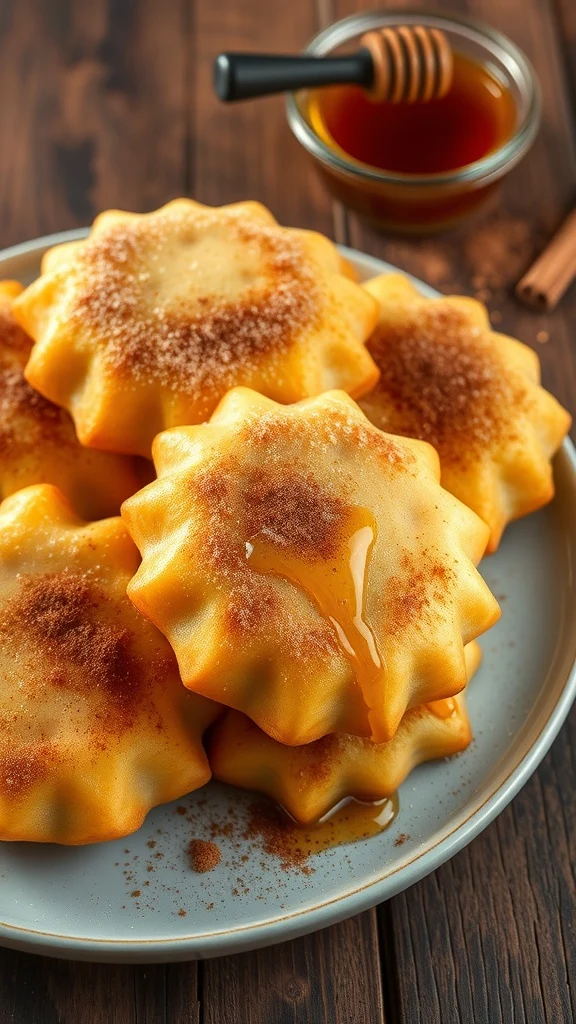
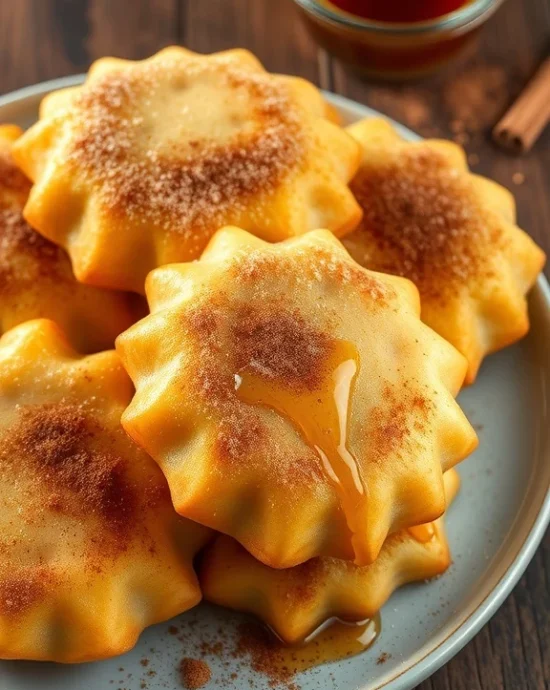
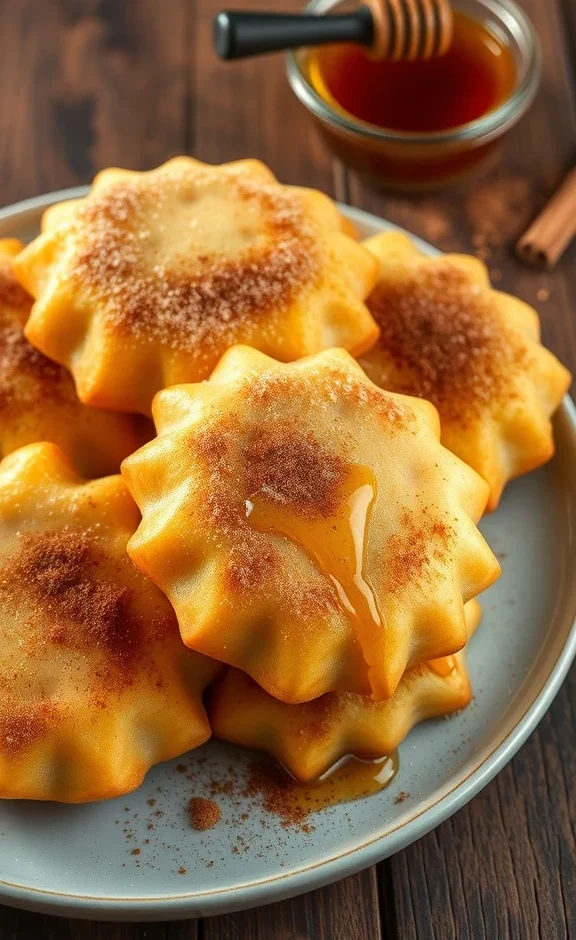
Dust the warm sopapillas with cinnamon sugar immediately after draining, while they're still hot enough for the sugar to stick and partially dissolve, creating that irresistible sweet crust. Alternatively, drizzle with honey, which pools beautifully in the hollow centers.
Serve immediately while still warm and crispy for the best texture experience. Sopapillas are at their absolute peak within the first 15 minutes after frying, when that contrast between crispy exterior and soft interior is most pronounced.
Provide honey in small pitchers or squeeze bottles so everyone can add their preferred amount, along with extra cinnamon sugar for those who want more sweetness. Some people like to poke a small hole in their sopapilla and pour honey directly inside, creating honey-filled pillows of joy.
- Calories:150 kcals
- Fat:7 grams
- Proteins:2 grams
- Carbohydrates:20 grams
Easy sopapillas are basically little pillows of fried dough that decided to show up to the dessert party wearing their best golden outfit and smelling like heaven mixed with cinnamon sugar. These puffy pastries transform simple pantry ingredients into something so irresistible that you’ll find yourself making excuses to fry up batches on random Tuesdays just because you thought about them once and couldn’t focus on anything else.
Picture this: crispy golden exteriors giving way to soft, airy interiors that create perfect little pockets for honey to pool inside, all while your kitchen fills with the kind of aroma that makes neighbors suddenly remember they needed to borrow sugar. The dough puffs up like magic in hot oil, creating hollow centers that are basically begging to be filled with sweetness and joy.
The beauty of this easy sopapillas recipe lies in how it takes flour, water, and a few basic ingredients, then transforms them through the alchemy of hot oil into something that makes people close their eyes and make those satisfied humming sounds. It’s the kind of dessert that makes you look like a culinary wizard when really you just mixed some stuff and threw it in hot oil for a couple minutes.
Why This Recipe is Pure Dessert Magic
Let’s be real for a hot second, most people hear “sopapillas” and think they need some kind of advanced pastry degree or a direct line to a New Mexican grandmother who guards her recipe like state secrets. This easy sopapillas recipe laughs at that notion while simultaneously making your house smell so incredible that you’ll want to bottle the aroma and sell it as “Essence of Happiness.”
What makes this recipe absolutely genius is how it takes intimidating fried pastry territory and makes it so foolproof that even people whose usual baking adventures end with smoke alarms and apologies can nail it perfectly. The ingredients list reads like your pantry’s greatest hits, nothing exotic or expensive, just honest flour, baking powder, and the willingness to heat up some oil.
The magic happens when simple dough meets properly heated oil and decides to transform into puffy, golden perfection right before your eyes. Watching sopapillas inflate like tiny delicious balloons never gets old, no matter how many batches you make. Each piece develops its own personality, puffing and crisping in slightly different ways that make every single one special.
Plus, there’s something deeply satisfying about mastering a traditional recipe that connects you to centuries of Southwestern culinary heritage while using modern conveniences like measuring cups and thermometers. Your kitchen becomes a time machine, delivering authentic flavors through accessible techniques that respect tradition without requiring complicated processes.
The Delicious Story Behind Sopapillas
Easy sopapillas represent the beautiful journey of culinary tradition, where indigenous cooking methods met Spanish influences in the American Southwest to create something entirely unique and wonderful. These pillowy pastries trace their roots back centuries, evolving from similar fried dough traditions found across multiple cultures.
The word “sopapilla” likely comes from the Spanish word “sopaipa,” which refers to a type of fried dough pastry. Spanish colonizers brought wheat flour and frying techniques to the Americas, where indigenous peoples already had their own traditions of cooking flatbreads and fried foods. The marriage of these culinary traditions created sopapillas as we know them today.
My Personal Sopapillas Journey
My relationship with sopapillas began during a road trip through New Mexico when I stumbled into a tiny restaurant that smelled like cinnamon dreams and possibilities. The server brought out these golden puffed pastries with a small pitcher of honey, and my life genuinely changed in that moment when I drizzled honey into the hollow center and took my first bite.
That experience haunted me in the best way possible, leading to numerous failed attempts in my own kitchen involving deflated dough disasters and oil temperature catastrophes. But persistence pays off in the kitchen, and eventually I cracked the code for creating sopapillas that actually puffed up instead of resembling sad, flat pancakes that took a wrong turn somewhere.
Cultural Significance and Regional Variations
Throughout the American Southwest, particularly in New Mexico, sopapillas hold special cultural significance as comfort food that appears at celebrations, family gatherings, and casual dinners alike. Some families serve them as dessert with honey and cinnamon sugar, while others enjoy them as a savory bread to accompany meals.
Different regions have developed their own variations over generations. New Mexican versions tend to be lighter and puffier, while some Texas interpretations are slightly denser and chewier. Each family guards their technique and ingredient ratios, passed down through generations with the kind of reverence usually reserved for precious heirlooms.
The Evolution of Modern Sopapillas
Traditional sopapillas required lard for authentic flavor and texture, though modern versions often use vegetable shortening or butter for convenience and dietary preferences. This adaptation allows more people to enjoy these pastries while maintaining the essential characteristics that make sopapillas special.
The wonderful thing about this easy sopapillas recipe is how it welcomes personal interpretation while maintaining authentic character. Whether you prefer them sweet or savory, small or large, the fundamental technique remains unchanged while allowing creative freedom and adaptation.
Essential Equipment & Southwestern Cooking Wisdom
Creating perfect easy sopapillas doesn’t require professional restaurant equipment, but having the right tools makes the process smoother and safer while ensuring consistently excellent results.
Deep Frying Equipment and Safety
A deep pot, wok, or dedicated deep fryer handles sopapilla frying effectively, with depth being crucial for safety and proper cooking. The vessel should be deep enough to hold at least 3 inches of oil while leaving several inches of clearance to prevent dangerous overflow situations.
Heavy-bottomed pots distribute heat more evenly than thin ones, preventing hot spots that can burn sopapillas on one side while leaving others undercooked. Cast iron works beautifully for maintaining consistent temperatures, while stainless steel provides excellent visibility for monitoring cooking progress.
Temperature Control and Monitoring Tools
A candy or deep-fry thermometer becomes your best friend when making sopapillas, eliminating guesswork and ensuring oil reaches the perfect 375°F temperature. Digital instant-read thermometers provide quick, accurate readings that help maintain proper heat throughout the frying process.
Without proper temperature control, you end up with greasy, undercooked sopapillas or burned exteriors with raw interiors. Neither situation creates the light, crispy perfection you’re aiming for, making temperature monitoring absolutely essential for success.
Dough Preparation Tools
A large mixing bowl provides adequate space for combining ingredients without flour flying everywhere like some kind of kitchen snow globe. Sturdy wooden spoons or Danish dough whisks handle mixing duties effectively without requiring expensive stand mixers.
Rolling pins, preferably heavy ones with smooth surfaces, create even dough thickness that ensures uniform puffing during frying. A floured surface, whether it’s a large cutting board or clean countertop, gives you adequate workspace for rolling and cutting operations.
Cutting and Shaping Equipment
Sharp knives or pizza cutters slice dough cleanly into shapes without dragging or tearing that can prevent proper puffing. Traditional sopapillas are often cut into triangles or squares, though creative cooks sometimes experiment with other shapes.
Pastry wheels with fluted edges create decorative borders that add visual interest, though plain cuts work perfectly fine for delicious results. The key is clean cuts that don’t compress dough edges, which can prevent the signature puffing action.
Safety and Serving Essentials
Long-handled spider strainers or slotted spoons allow safe removal of sopapillas from hot oil without dangerous splashing or burns. Metal utensils work better than plastic ones, which can melt if they accidentally touch hot pot sides.
Paper towels or cooling racks placed over sheet pans handle drainage duties, removing excess oil so sopapillas stay light and crispy rather than greasy. Multiple layers of paper towels absorb more oil effectively, creating better final texture.
Heat-resistant gloves or pot holders protect hands when working near hot oil, though maintaining safe distances and using proper tools eliminates most burn risks. Never leave hot oil unattended, and keep a fire extinguisher nearby for peace of mind.
Pro Chef Secrets & Southwestern Techniques
Mastering easy sopapillas involves understanding key techniques that separate good results from absolutely spectacular fried pastry perfection that makes people beg for your recipe.
Dough Consistency and Hydration Balance
The perfect sopapilla dough should feel soft and slightly tacky but not sticky enough to leave residue on your hands. This ideal consistency creates dough that’s pliable enough to roll easily while containing enough structure to puff properly without becoming tough.
Environmental factors like humidity affect flour absorption rates significantly, meaning you might need slightly more or less water depending on weather conditions and your specific flour brand. Trust your hands and eyes more than exact measurements, adjusting water amounts to achieve that perfect soft, smooth texture.
Temperature Maintenance and Heat Management
Maintaining consistent oil temperature throughout frying ensures uniform results batch after batch. Oil temperature naturally drops when cold dough is added, so many experienced cooks heat oil slightly higher than target temperature, knowing it will drop to the perfect range when sopapillas are added.
Between batches, allow oil temperature to recover fully before adding more dough pieces. This patience prevents greasy, undercooked results that occur when oil isn’t hot enough to immediately seal exteriors and create proper puffing action.
The Science of Puffing
Sopapillas puff because moisture in the dough rapidly converts to steam when it hits hot oil, while baking powder simultaneously releases carbon dioxide gas. These expanding gases create internal pressure that inflates the dough into hollow pockets, assuming the dough has enough structure to contain the gases without deflating.
Proper rolling thickness becomes crucial here, as dough that’s too thick can’t inflate fully while dough that’s too thin creates weak structures that may tear or fail to hold their shape. That quarter-inch thickness represents the perfect balance for reliable puffing.
Cutting Technique and Edge Quality
Clean cuts without compressed edges allow steam to escape properly along all edges, creating even inflation rather than lopsided puffing. Dragging or sawing motions compress dough and can prevent those edges from separating cleanly in hot oil.
Some cooks prefer using a pizza cutter over knives because the rolling motion creates cleaner cuts with less compression. Either tool works perfectly when used with decisive, confident movements rather than hesitant sawing.
Optimal Batch Sizing
Frying too many sopapillas at once drops oil temperature significantly, resulting in greasy pastries that absorb oil instead of crisping properly. Small batches of 2 to 3 pieces allow oil to maintain temperature while giving you adequate space to monitor and flip each piece properly.
This patience pays dividends in quality, creating consistently perfect results rather than rushed batches with uneven cooking and disappointing texture. Remember, the goal is perfection, not speed, when it comes to achieving restaurant-quality sopapillas at home.
Common Mistakes That Ruin Perfect Sopapillas
Even straightforward recipes have potential pitfalls, but knowing what to avoid keeps your easy sopapillas consistently crispy, puffy, and absolutely delicious every single time.
The Temperature Guessing Game
Skipping the thermometer and guessing oil temperature leads to disaster more often than success, with results ranging from grease-soaked pastries to burned exteriors with raw centers. Proper temperature control isn’t optional, it’s the foundation of successful sopapilla making.
Oil that’s too cool creates greasy, heavy sopapillas that absorb excessive oil and never achieve proper crispness. Oil that’s too hot burns exteriors before interiors cook through, creating bitter flavors and disappointing texture that makes all your effort pointless.
Dough Handling Disasters
Over-kneading develops too much gluten, creating tough, chewy sopapillas that resist puffing and lack that signature tender texture. The brief 1 to 2 minute kneading time is intentional, developing just enough structure without creating bread-like toughness.
Conversely, under-mixing dry ingredients or failing to properly incorporate fat creates uneven texture with spots that puff beautifully alongside areas that remain flat and dense. Thorough mixing at each stage ensures consistent results throughout every batch.
Thickness Inconsistencies
Rolling dough unevenly creates sopapillas that cook at different rates, with thin spots burning while thick areas remain undercooked. Uniform thickness throughout ensures every piece fries at the same rate, creating consistently perfect results.
Check thickness frequently while rolling, using your fingers to gauge evenness and adjusting as needed. Taking a few extra seconds to ensure uniformity prevents disappointment later when some sopapillas turn out perfect while others disappoint.
Overcrowding the Pot
Jamming too many dough pieces into the pot at once drops oil temperature dramatically while making it impossible to properly monitor and flip individual pieces. The result is greasy, unevenly cooked sopapillas that stick together and create frustration instead of joy.
Give each sopapilla plenty of room to float freely and puff properly, even if it means frying in multiple batches. This patience creates perfect results worth waiting for, rather than rushed disasters that waste ingredients and effort.
Serving Temperature Mistakes
Letting sopapillas sit too long before serving allows steam to soften crispy exteriors, creating disappointing texture that lacks that perfect contrast between crunchy outside and tender inside. Serve immediately or keep warm in a low oven on a rack to maintain crispness.
Storing leftovers in sealed containers traps moisture and destroys texture completely, turning crispy sopapillas into sad, chewy imitations of their former glory. These pastries are meant for immediate enjoyment, not prolonged storage.
Ingredient Substitution Failures
Using self-rising flour instead of all-purpose flour plus baking powder creates unpredictable results with potentially too much leavening. Substituting margarine for butter or shortening changes texture and flavor in ways that rarely improve the final product.
Stick with specified ingredients for best results, especially when learning the recipe. Once you’ve mastered the basic technique, then experiment with substitutions understanding they may require adjustments to achieve desired results.
Creative Variations & Southwestern Inspirations
Once you’ve mastered basic easy sopapillas, experimenting with different flavors, fillings, and serving styles creates endless delicious possibilities that keep this traditional treat exciting and fresh.
Sweet Variations and Dessert Twists
Chocolate lovers can add cocoa powder to the dough for chocolate sopapillas that pair beautifully with vanilla ice cream or chocolate sauce. A tablespoon or two of cocoa mixed with the dry ingredients creates subtle chocolate flavor without compromising texture.
Cinnamon or vanilla extract added to the dough creates aromatic variations that enhance traditional honey service while adding complexity. Start with small amounts, as these flavors intensify during frying and can quickly become overwhelming.
Orange or lemon zest folded into the dough provides bright citrus notes that cut through richness while adding sophisticated flavor profiles. The oils in citrus zest survive frying temperatures, delivering fresh flavors in the finished sopapillas.
Savory Sopapilla Applications
Traditional New Mexican cuisine often uses sopapillas as bread, serving them alongside meals to soak up sauces and gravies. Omit or reduce sugar in the dough for savory versions that complement main courses beautifully.
Stuffed sopapillas, called “sopapilla rellenos,” feature opened pastries filled with seasoned meat, beans, lettuce, cheese, and salsa. This hearty preparation transforms simple fried dough into complete meals that satisfy heartiest appetites.
Breakfast sopapillas filled with scrambled eggs, cheese, and bacon create indulgent morning meals that elevate ordinary breakfasts into special occasions worth waking up early for.
International Fusion Ideas
Indian-inspired versions might include cardamom and rose water in the dough, serving them with mango lassi or sweet condensed milk for dipping. These fusion experiments respect the basic technique while exploring new flavor territories.
Italian-influenced sopapillas could feature ricotta and lemon zest, served with espresso-spiked chocolate sauce for sophisticated dessert presentations. The neutral dough base welcomes diverse flavor profiles from various culinary traditions.
Asian fusion versions might incorporate matcha powder or black sesame into the dough, serving with honey infused with ginger or five-spice. These creative adaptations demonstrate sopapillas’ versatility across cultural boundaries.
Seasonal Adaptations
Fall versions might include pumpkin spice blends in cinnamon sugar toppings, served with apple cider caramel for seasonal celebrations. Winter holidays call for peppermint-dusted sopapillas or eggnog-based dipping sauces.
Spring sopapillas could feature lavender honey and fresh berries, while summer versions might include lime zest and tropical fruit salsas. Seasonal adaptations keep the recipe fresh and exciting throughout the year.
Creative Serving Presentations
Individual honey pots or small pitchers at each place setting create elegant presentations for dinner parties or special occasions. Warm honey in the microwave briefly for easier drizzling and enhanced flavor release.
Sopapilla “bars” with various topping stations let guests customize their experience, providing multiple honey varieties, flavored sugars, fruit compotes, and chocolate sauces. This interactive approach turns dessert into entertainment.
Serving Suggestions & Perfect Pairings
Easy sopapillas shine as versatile treats that work equally well as dessert, snack, or even savory bread, with serving suggestions that enhance their natural appeal and cultural authenticity.
Traditional Southwestern Accompaniments
Local honey varieties from the Southwest provide authentic flavors that connect sopapillas to their regional origins. Mesquite honey, with its bold, slightly smoky flavor, pairs beautifully with the pastries’ mild sweetness.
Fresh whipped cream adds richness and creates temperature contrast when served alongside hot sopapillas. Some restaurants serve sopapillas with both honey and whipped cream, letting diners choose their preferred topping or combine both.
Cinnamon-spiced hot chocolate provides classic pairing that complements rather than competes with sopapilla sweetness. The warm beverage and warm pastry combination creates comforting experiences perfect for cool evenings.
Ice Cream and Frozen Desserts
Vanilla ice cream served inside warm, split sopapillas creates temperature contrasts that highlight both elements perfectly. The cold ice cream starts melting immediately, creating creamy rivers that soak into the pastry’s hollow interior.
Mexican chocolate ice cream or dulce de leche flavors provide cultural connections while adding complex flavors that elevate simple sopapillas into restaurant-quality desserts. These pairings work beautifully for entertaining when you want impressive presentations.
Frozen yogurt or sorbet offers lighter alternatives for health-conscious diners who still want to enjoy sopapillas without excessive richness. Fruit sorbets particularly complement the pastries’ neutral flavor and provide refreshing contrast.
Beverage Pairings
Mexican hot chocolate with cinnamon and a hint of chili provides traditional pairing that respects cultural origins while offering complex flavors. The slight spice in Mexican chocolate balances sopapilla sweetness perfectly.
Coffee, particularly dark roasts or espresso, cuts through sweetness while providing caffeine kick that makes sopapillas acceptable breakfast food. Café de olla, Mexican spiced coffee, creates especially harmonious pairings.
Sweet dessert wines like late-harvest Riesling or Moscato complement sopapillas without competing, their fruit notes enhancing rather than overwhelming the pastries’ delicate flavors. These pairings work beautifully for adult gatherings.
Savory Meal Accompaniments
Served alongside New Mexican cuisine like carne adovada, enchiladas, or posole, sopapillas function as bread that soaks up delicious sauces and provides textural contrast to saucy main dishes.
Green or red chile provides traditional New Mexican pairing, with sopapillas used to scoop up spicy sauces or simply served alongside as palate refreshers. This savory application respects regional traditions authentically.
Bean dishes benefit from sopapilla accompaniment, whether it’s refried beans, pinto beans, or black beans prepared with traditional Southwestern seasonings. The neutral pastry balances beans’ earthiness perfectly.
Special Occasion Presentations
Holiday gatherings might feature sopapilla “Christmas trees” stacked with honey drizzle and powdered sugar “snow” for festive visual impact. Creative presentations make simple pastries feel special and celebratory.
Birthday celebrations could include sopapillas served with candles, creating interactive desserts where guests can make wishes before enjoying their treats. These playful presentations work especially well for children’s parties.
Storage & Make-Ahead Strategies
Understanding proper storage and advance preparation helps integrate easy sopapillas into busy schedules, though nothing beats enjoying them fresh and warm straight from the fryer.
Dough Preparation and Storage
Mixed dough can be wrapped tightly in plastic wrap and refrigerated for up to 24 hours before rolling and frying. This advance preparation allows flavor development while simplifying day-of cooking when time is limited.
Bring refrigerated dough to room temperature before rolling, about 30 minutes on the counter, which makes it more pliable and easier to work with. Cold dough resists rolling and may crack when stretched.
Alternatively, prepare and cut dough pieces, layering them between parchment paper and storing in airtight containers for several hours. This method allows you to fry sopapillas quickly when ready to serve, streamlining the cooking process.
Freezing and Long-Term Storage
Unfried sopapilla pieces freeze excellently, maintaining quality for up to three months when properly wrapped. Layer cut dough between parchment or wax paper, then store in freezer bags with air removed.
Fry frozen sopapilla pieces directly from the freezer without thawing, adding an extra 30 seconds to cooking time to account for the cold temperature. They’ll puff just as beautifully as fresh dough pieces.
Already fried sopapillas don’t freeze well due to moisture that forms upon thawing and destroys crispy texture. If you must freeze cooked sopapillas, reheat them in a hot oven to restore some crispness, though they’ll never match fresh versions.
Reheating and Quality Preservation
Room temperature sopapillas can be refreshed in a 350°F oven for 3 to 5 minutes, which restores some crispness though they’ll never quite match fresh versions. Avoid microwaving, which creates soggy, chewy texture nobody wants.
For best results, accept that sopapillas are meant for immediate consumption and plan cooking timing accordingly. The brief frying time makes fresh preparation practical even when entertaining, as you can fry batches throughout an event.
Serving Timeline Management
When entertaining, set up your frying station so you can cook sopapillas in small batches as guests arrive or between courses. Fresh, warm sopapillas impress more than perfectly timed but lukewarm ones.
Enlist help if possible, with one person frying while another drains and serves. This assembly-line approach keeps fresh sopapillas flowing without overwhelming the cook or leaving guests waiting too long.
Nutritional Benefits & Mindful Enjoyment
Understanding easy sopapillas’ nutritional profile helps integrate them thoughtfully into balanced eating patterns while appreciating their role as occasional treats rather than everyday foods.
Caloric and Macronutrient Breakdown
Each sopapilla contains approximately 150 calories, 7 grams of fat, 2 grams of protein, and 20 grams of carbohydrates according to the original recipe’s nutritional information. These numbers reflect sopapillas’ role as dessert or special treat rather than nutritional powerhouse.
The moderate calorie count means sopapillas can fit into balanced diets when enjoyed mindfully and in reasonable portions. One or two pieces satisfy sweet cravings without derailing healthy eating patterns.
Frying Facts and Fat Content
Deep-fried foods naturally contain more fat than baked alternatives, though properly fried sopapillas at correct temperatures absorb minimal oil. The quick cooking time and hot temperature create immediate surface sealing that prevents excessive absorption.
Using fresh, clean oil for frying creates lighter results than reused oil that’s begun breaking down. Quality frying oil at proper temperature produces results that are crispy rather than greasy.
Portion Control and Mindful Consumption
Rich flavors and satisfying texture encourage natural portion control, as one or two sopapillas genuinely satisfy most people’s sweet cravings. The honey and cinnamon sugar toppings add minimal calories while maximizing flavor impact.
Sharing sopapillas family-style promotes social interaction while naturally limiting individual consumption through group dynamics. This communal enjoyment enhances the experience while supporting reasonable portion sizes.
Balancing Indulgence and Health
Sopapillas work well as occasional treats within balanced dietary patterns that emphasize whole foods, vegetables, fruits, and lean proteins. Enjoying fried pastries occasionally doesn’t negate otherwise healthy eating habits.
The experience of making and sharing sopapillas provides value beyond mere nutrition, creating memories and connections that feed emotional wellbeing. Food serves multiple purposes in our lives, and special treats have their place in balanced living.
Frequently Asked Questions About Easy Sopapillas
Why didn’t my sopapillas puff up, and what can I do differently next time?
This is usually a temperature issue, if your oil wasn’t hot enough at exactly 375°F, the sopapillas won’t puff properly and instead just soak up oil like little greasy sponges. Another culprit is old baking powder that’s lost its mojo, so check expiration dates and maybe test it by mixing a bit with water to see if it fizzes enthusiastically. Also, rolling the dough too thick or too thin throws off the puffing physics, so aim for that quarter-inch sweet spot.
Can I bake sopapillas instead of frying them?
You technically can, but they won’t be sopapillas anymore, more like sad crackers pretending to be something they’re not. The magic of sopapillas comes from that rapid puffing in hot oil, which just doesn’t happen in an oven. If you’re avoiding fried foods for health reasons, maybe try a different recipe that’s designed for baking rather than trying to force sopapillas into being something they’re not meant to be.
What’s the best oil to use for frying sopapillas?
Vegetable oil, canola oil, or peanut oil all work beautifully because they have high smoke points and neutral flavors that won’t compete with the sopapillas themselves. Avoid olive oil which smokes at lower temperatures and has too strong a flavor, and definitely skip butter which will burn immediately and create bitter, smoky disasters.
Can I make the dough ahead of time, or does it need to be used immediately?
The dough actually benefits from resting, so you can make it a day ahead and refrigerate it wrapped tightly in plastic. Just bring it back to room temperature before rolling because cold dough is stubborn and will crack when you try to work with it. You can even cut the shapes and freeze them between parchment paper, then fry them straight from frozen when the sopapilla craving hits unexpectedly.
How do I know when the oil is at the right temperature without a thermometer?
While a thermometer is really your best friend here, you can test oil temperature by dropping a small piece of dough into it. The dough should immediately start bubbling vigorously and float to the surface, turning golden brown in about a minute. If it sinks and just sits there looking sad, the oil is too cold. If it instantly turns dark brown and smokes, well, you’ve gone too far in the other direction.
What should I do if my sopapillas turn out greasy instead of crispy?
Greasy sopapillas almost always mean your oil temperature was too low, causing the dough to absorb oil instead of forming that immediate crispy seal. Make sure you’re hitting that 375°F mark consistently, and don’t overcrowd the pot which drops the temperature. Also, let the oil come back up to temperature between batches instead of rushing through like you’re in some kind of sopapilla speed competition.
Can I use whole wheat flour to make these healthier?
You can substitute up to half the all-purpose flour with whole wheat flour without totally destroying the texture, though they’ll be denser and won’t puff quite as dramatically. Going full whole wheat creates sopapillas that are more like healthy crackers, which might be virtuous but aren’t particularly fun. Sometimes it’s okay to just enjoy the real thing in moderation rather than making sad, compromised versions.
Why do some sopapillas puff more than others in the same batch?
Even with perfect technique, sopapillas are individuals with their own personalities, some puff like they’re auditioning for a balloon commercial while others are more modest about it. Slight variations in dough thickness, how the edges were cut, or where they land in the oil all affect puffing. As long as they’re golden and crispy, embrace the variety rather than stressing about uniformity.
How long can I keep fried sopapillas before serving them?
Honestly, sopapillas are divas that demand to be served immediately while they’re still warm and crispy. You can keep them warm in a low oven on a rack for maybe 15 to 20 minutes, but after that they start losing their magic and becoming sad shadows of their former glory. This is why many restaurants fry sopapillas to order rather than making them ahead.
What’s the difference between sopapillas and beignets?
Great question! While both are fried dough delights, sopapillas are made with a simple dough that puffs hollow, while beignets use yeast dough that’s denser and pillowy. Beignets are New Orleans’ gift to fried dough lovers, while sopapillas represent Southwestern tradition. Both are wonderful, just different paths to fried dough happiness.
Can I make mini sopapillas for parties, or will small ones not puff properly?
Mini sopapillas work beautifully for parties, actually making adorable bite-sized treats that guests can pop in their mouths. Just cut smaller shapes and watch them carefully since they’ll cook faster than full-sized versions. They’re perfect for buffets where people want to try lots of different things without committing to a full sopapilla.
Troubleshooting Guide for Fried Pastry Perfection
Even experienced cooks encounter occasional sopapilla challenges, but most issues have straightforward solutions that ensure consistently excellent results batch after batch.
Fixing Flat, Dense Sopapillas
Sopapillas that refuse to puff usually indicate expired or insufficient baking powder, requiring fresh leavening agents for proper inflation. Test baking powder by mixing a teaspoon with hot water, it should fizz enthusiastically if still active.
Another cause of flat sopapillas is overworked dough that’s developed too much gluten, creating tight structure that resists expansion. Handle dough gently and knead only briefly, treating it like you’re working with something delicate rather than wrestling it into submission.
Dealing with Greasy, Oil-Soaked Results
Oil absorption problems almost always trace back to temperature issues, with oil that’s too cool allowing excessive absorption rather than immediate surface sealing. Invest in a good thermometer and use it religiously to maintain proper heat.
Overcrowding the pot drops oil temperature significantly, creating greasy results even when starting temperature was correct. Patience with small batches produces superior results worth the extra time investment.
Solving Burning and Uneven Browning
Burned exteriors with raw centers indicate oil that’s too hot, cooking surfaces too quickly before interiors have time to cook through. Lower heat and monitor temperature carefully, adjusting as needed to maintain steady 375°F.
Hot spots in pots or fryers create uneven browning, with some areas cooking faster than others. Stir oil occasionally between batches and consider using heavy-bottomed cookware that distributes heat more evenly.
Addressing Tough, Chewy Texture
Tough sopapillas result from over-kneading that develops excessive gluten, creating bread-like texture rather than tender pastry. Remember that brief 1 to 2 minute kneading time and resist the urge to work dough more thoroughly.
Using too much flour while rolling can also create tough texture, as extra flour gets incorporated and throws off hydration balance. Use minimal flour for dusting, just enough to prevent sticking without compromising dough softness.
Managing Shape and Size Inconsistencies
Uneven rolling creates sopapillas of varying thicknesses that cook at different rates, producing mixed results in the same batch. Take extra time to ensure uniform thickness, checking frequently while rolling.
Inconsistent cutting or compressed edges prevent proper puffing in affected areas. Use sharp tools and decisive cuts rather than sawing motions that compress dough and create problems.
Fixing Timing and Temperature Coordination
Getting everything to the table while sopapillas are still hot requires planning and possibly recruiting help. Set up your serving station near the fryer and have toppings ready before you start frying.
Consider frying in waves throughout a gathering rather than trying to produce one perfect batch all at once. Fresh sopapillas appearing periodically often work better than lukewarm ones served together.
Final Thoughts on Sopapilla Mastery
Easy sopapillas represent everything wonderful about comfort food cooking, transforming humble flour and water into golden pillows of joy that connect us to Southwestern culinary traditions while creating memories around tables filled with laughter and satisfaction. This recipe proves that impressive results don’t require complicated techniques or exotic ingredients, just proper method and attention to detail.
The beauty of mastering sopapillas extends beyond creating delicious desserts, it opens doors to understanding how simple ingredients transform through heat and technique into something transcendent. Each perfectly puffed sopapilla tells a story of chemistry, tradition, and the magic that happens when basic cooking methods are executed with care.
Share these treats with people you care about, because food made with attention and served warm from the fryer has this wonderful ability to create connections and moments that last long after the last bite disappears. There’s something deeply satisfying about watching faces light up when people bite into still-warm sopapillas and honey runs down their fingers.
The versatility of sopapillas means they never get boring, adapting to sweet or savory applications, different occasions, and creative inspiration while maintaining their essential character of crispy, puffy deliciousness. Master this foundation, and you’ll have a recipe that serves equally well for casual snacking and special celebrations.
Your kitchen becomes a bridge between past and present, delivering traditional Southwestern flavors through accessible modern techniques that respect heritage while accommodating contemporary lifestyles. The simple act of frying dough connects you to centuries of cooks who discovered that flour, fat, and heat can create pure happiness.
Now go forth and create some fried dough magic that transforms your kitchen into a celebration of golden, puffy perfection and your table into a place where people gather to enjoy simple pleasures executed beautifully. You’ve earned the right to feel proud when people start making excuses to drop by whenever they think you might be making sopapillas, because you’ve mastered something truly special that honors both tradition and the universal human love of really good fried food.