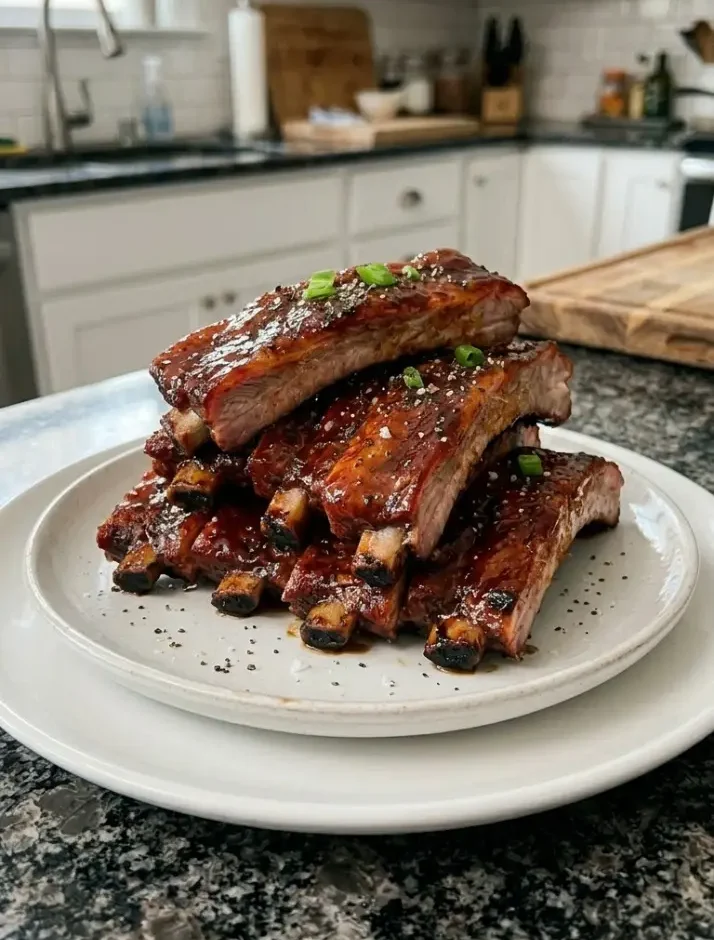
Most people assume ribs require a smoker, a backyard, and an entire Sunday. None of that is true. Oven BBQ ribs are a genuine weeknight possibility for anyone with a sheet pan, a roll of foil, and the patience to leave the oven alone for two to three hours. The results are not a consolation prize for people who could not make it to a barbecue. Done correctly, oven-baked ribs come out tender, deeply seasoned, and glazed with sauce that has caramelized under the broiler into something you would be proud to serve to anyone.
The technique is forgiving. The active work is minimal. What trips people up is not the cooking itself but the decisions before it: which cut to buy, whether to remove the membrane, how long to cook at what temperature, and when to add the sauce. Get those four things right and the rest handles itself. This guide covers all of it, from the cut comparison that determines how your ribs feel in your mouth to the troubleshooting fixes for every common failure, including the one that turns a promising rack into a dry, chewy disappointment in the last 30 minutes.
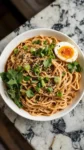
The four recipes in this collection cover the full range of what you can do with oven BBQ ribs: spare ribs low and slow, Chinese-style BBQ pork that belongs in its own category of good, and quick weeknight options for when you want that same glazed, sticky result without the three-hour commitment.
What Oven BBQ Ribs Actually Are
Oven BBQ ribs is not a specific cut of pork. It is a cooking method applied to any rib cut that benefits from long, enclosed heat followed by a short burst of high heat to set the glaze. The term covers baby back ribs, spare ribs, and St. Louis-cut ribs, and the method works for all three, though the timing differs between them.
The defining characteristic of oven baked ribs is the two-stage process: low and slow wrapped in foil to build tenderness through steam, followed by unwrapped time under the broiler or at high heat to develop the caramelized exterior that makes ribs worth eating. Skip the first stage and the meat is tough. Skip the second and the glaze never sets. Both stages matter, and this is where most home cooks choose one or the other when they should be doing both.
What separates oven BBQ ribs from other rib preparations is accessibility. No outdoor grill required. No special equipment beyond a rimmed baking sheet and foil. Apartments welcome.
Start Here: The Best Entry-Point Recipe
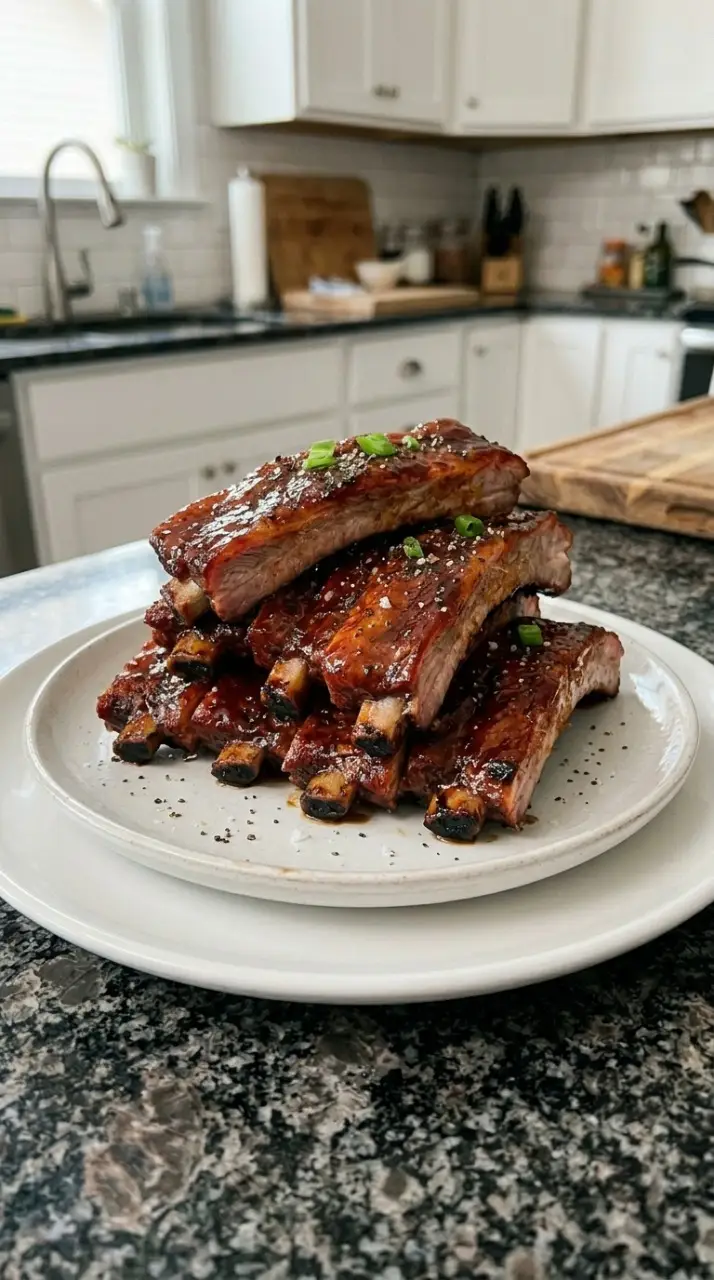
The oven baked spare ribs on CrispyGlaze is the right first recipe for anyone learning this method. It uses spare ribs, which are forgiving because the higher fat content protects against drying out during the long cook. The process is straightforward: season, wrap tightly in foil, bake at 275°F for three hours, then unwrap, glaze, and finish under the broiler for five to eight minutes until the sauce caramelizes and darkens at the edges. The active time is about 20 minutes. The result is fall off the bone ribs from the oven that genuinely earn that description.
How the Low-and-Slow Oven Method Actually Works
Ribs are almost entirely connective tissue around bone. The meat itself is lean. Left to dry heat, it seizes up and turns tough within the first hour. What makes ribs tender is the breakdown of collagen, the structural protein in connective tissue, into gelatin. That breakdown requires sustained heat between 160°F and 200°F held over time. Not high heat. Time at the right temperature.
The foil wrapping is doing two jobs simultaneously. First, it traps moisture and creates a steam environment around the ribs, which keeps the surface from drying while the interior comes up to temperature. Second, it concentrates the seasoning against the meat throughout the cook, so the dry rub penetrates rather than sitting on the surface. Remove the foil too early and the exterior dries before the collagen has fully broken down. Leave it on the entire time and you lose the texture contrast between the glaze and the meat underneath.
At 275°F, a full rack of spare ribs needs two and a half to three hours wrapped. Baby back ribs, which are smaller and leaner, need two to two and a half hours. St. Louis-cut ribs, which are trimmed spare ribs, fall in the same range as spare ribs. The internal temperature at which collagen fully converts to gelatin is around 190°F to 200°F. A digital thermometer inserted between the bones without touching the bone should read in that range before you unwrap.
The final broil or high-heat finish is not cosmetic. It is the step that converts a wet glaze into a set, sticky, caramelized coating. Brush the sauce on in two layers, two minutes apart, with the rack positioned six inches from the broiler element. Watch it. At high heat, the line between caramelized and burnt is about 90 seconds. The sauce should bubble, darken, and pull slightly away from the bone ends before you pull the rack.
According to Serious Eats’ guide to rib cookery, the internal collagen conversion that produces genuinely tender ribs does not happen below 160°F, which is why sous vide ribs cooked below that temperature, regardless of time, never achieve the same texture as low-and-slow oven or smoked ribs.
One detail that affects everything downstream: the membrane. The membrane ribs carry on the bone side is a thin, papery layer of silverskin that does not break down during cooking. Leave it on and it acts as a barrier, blocking the rub from reaching the bone-side meat and producing a chewy, rubbery bite. Remove it before seasoning and the rub penetrates evenly from both sides. To remove it, slide a butter knife under one corner of the membrane at the narrow end of the rack, grip it with a paper towel for traction, and pull in one firm motion. It comes off in a single sheet when the rack is cold.
Baby Back Ribs vs Spare Ribs: Which Cut to Buy
Baby back ribs are the better starting point for most home cooks, and spare ribs are the better ribs. That is the direct answer, and both things are true at the same time.
Baby back ribs come from the upper back near the spine, where the loin muscle is located. They are shorter, leaner, and more uniformly shaped than spare ribs. The smaller size means they cook faster, the leaner meat means they are less forgiving of overcooking, and the uniform shape means every rib in the rack cooks at roughly the same rate. For easy oven baked ribs that are ready in under three hours, baby back ribs are the practical choice. They are also more expensive per pound than spare ribs, usually by a meaningful margin.
Spare ribs come from the belly side of the rib cage, lower and closer to the sternum. They are larger, fattier, and less uniform. The higher fat content is what makes them taste better over a long cook: the fat renders slowly, bastes the meat from within, and produces a richer result than the leaner baby backs. The St. Louis cut is simply spare ribs with the sternum bone, cartilage, and rib tips removed to create a more rectangular, uniform rack that is easier to manage in a standard home oven.
For a first attempt at oven baked ribs, buy baby back ribs. For a dinner where the ribs are the point and you have the time, buy spare ribs or St. Louis cut. For a baked ribs recipe that maximizes flavor per dollar, spare ribs win every time.
The Dry Rub, the Sauce, and What You Actually Need
The dry rub is where most of the flavor in oven BBQ ribs actually comes from. The sauce gets the attention because it is visible and sticky and goes on at the end, but it is a finishing layer over a seasoned foundation, not a substitute for one. A rub built on brown sugar, smoked paprika, garlic powder, onion powder, black pepper, and salt will do more for the final flavor than any bottled sauce. The brown sugar creates the caramelized crust under the broiler. The smoked paprika adds a low-level smoke note that mimics outdoor BBQ without a smoker. The salt goes on first, 24 hours ahead if you have time, because it draws moisture out and then back in as it dissolves, seasoning the meat from within.
On sauce: use whatever you like and apply it late. Sauce applied before the final 20 minutes of cooking just burns. The sugars in BBQ sauce caramelize fast and tip into bitter carbon quickly at oven temperatures. Two applications under the broiler, each one to two minutes, is the right approach. The first layer sets. The second layer builds depth and gloss.
Choosing the right sauce style for the right cut matters more than most recipes let on. A thick, sweet Kansas City-style sauce built from ketchup, molasses, and brown sugar caramelizes quickly and works well on spare ribs because the high sugar content sets fast under the broiler without burning. A vinegar-forward Carolina mustard sauce, which combines yellow mustard, apple cider vinegar, and honey, cuts through fat in a way that thicker tomato-based sauces do not, making it a better match for the richness of a full spare rib rack. Alabama white sauce, the mayonnaise and apple cider vinegar style that most people outside the American South have never tried, is an unexpected but genuinely good finish for oven baked chicken wings because the tang balances the char on the skin without the sweetness that makes glazed wings cloying. For the Chinese BBQ pork, none of these apply: the hoisin and five-spice marinade is the sauce, and adding a Western BBQ glaze on top would bury the char siu profile entirely.
If you want to go further than bottled sauce and build something matched to what you are actually cooking, CrispyGlaze has a collection of 48 homemade BBQ sauce recipes covering Kansas City style, smoky chipotle, peach bourbon, Korean gochujang, garlic honey, balsamic, and more. The smoky paprika maple and the roasted garlic variations which uses a full head of oven-roasted garlic mashed into the base are both built for the caramelization profile that oven BBQ ribs need and are worth making from scratch at least once before reaching for the bottle again.
Equipment is minimal. A rimmed baking sheet is non-negotiable because the fat that renders during a three-hour cook will pool and overflow a shallow pan. Heavy-duty foil is worth buying for this application. Standard foil tears when you try to form a tight seal around a full rack. A wire rack set inside the baking sheet keeps the ribs lifted out of their own drippings, which improves the texture of the underside. If you do not own one, cook directly on the foil-lined pan. The difference is noticeable but not worth buying equipment for a single cook.
The USDA pork cooking guidelines confirm that whole muscle pork is safe at 145°F internal temperature with a three-minute rest, but ribs should run significantly hotter, to 190°F to 205°F, because that is the temperature at which connective tissue converts to gelatin and produces tender meat rather than just safe meat.
When to Make Which Rib Recipe
Winter is when oven BBQ ribs make the most sense as a primary meal. The oven runs for three hours, which is not a disadvantage when the kitchen needs warming and a long cook fills the house with something that smells better than a candle. Pair the oven baked spare ribs with a warm side from the soup and chowder category and the combination covers a full winter meal without a second recipe.
Summer is for the faster options. The BBQ chicken wings and BBQ meatballs both cook in 25 minutes, which means a hot oven for under half an hour rather than three hours in July. They also serve larger groups without the per-person math getting complicated the way it does with a rack of ribs.
The Chinese BBQ pork is its own category. It needs a four-hour cook and a marinade that benefits from sitting overnight, which makes it a weekend recipe by default. But as a party option or a meal prep anchor, char siu rewards the time spent in a way that no other recipe in this collection does. Slice it thin and serve it over rice alongside something from the appetizers and party foods category and you have a meal that requires almost no active cooking on the day.
Troubleshooting: What Went Wrong and How to Fix It
The Meat Is Tough and Chewy After the Full Cook Time
The collagen did not fully convert. This happens when the oven temperature was too low, the foil seal had a gap that let steam escape, or the rack was simply not in the oven long enough. Ovens lie. A dial set to 275°F is often 250°F or 290°F depending on the appliance and where the rack sits. If ribs are still tough after three hours, re-wrap them and give them another 30 to 45 minutes before checking again. You cannot overdo the wrapped phase. The foil protects the meat from drying, so an extra hour in the sealed packet is not a problem. Rushing this stage always is.
The Glaze Burnt Before It Caramelized
The broiler was too close or too hot, or the sauce was applied too early. Most broilers operate between 500°F and 550°F. At six inches from the element, ribs need two to three minutes per glaze layer, not five. If your broiler has high and low settings, use low. If it does not, position the rack seven or eight inches from the element instead of six. The sugar in BBQ sauce goes from caramelized to burned in under two minutes at full broiler heat. Stay in the kitchen when the broiler is on. This is not a step to manage from another room.
The Ribs Are Dry Despite Covering Them in Sauce
The foil wrap had a gap, or the ribs were unwrapped too early in the cook. Sauce cannot rehydrate meat that has already dried out in the oven. It sits on the surface while the interior stays dry. Prevention is the only fix: wrap the rack tightly before it goes in, check the seal after the first 30 minutes if you suspect the foil is loose, and do not unwrap until the full wrapped cook time is done. If you are working with baby back ribs and cooked them for three hours instead of two and a half, they were almost certainly overcooked before the sauce went on.
The Membrane Ribs Left Behind Made the Bottom Chewy
This is the most common complaint from people who skipped the membrane removal step. The silverskin on the bone side of the rack does not render during cooking. It stays intact and produces a thick, rubbery barrier that makes the bone-side bites unpleasant regardless of how tender the meat above it is. Remove it cold, before seasoning, using the paper towel grip method described in the technique section. Once cooked, there is no fix. Pull it off at the table if you forgot, but it will not come off cleanly.
FAQ
How long to cook ribs in the oven at 275°F?
Baby back ribs need two to two and a half hours at 275°F wrapped in foil, followed by 10 to 15 minutes unwrapped with the sauce applied. Spare ribs and St. Louis-cut ribs need two and a half to three hours wrapped, then the same finishing time. These times assume a tightly sealed foil packet and an oven that holds temperature accurately. If your oven runs cool, add 30 minutes to the wrapped phase and check the internal temperature: 190°F to 200°F in the thickest part of the meat, not touching bone, is the target for fall off the bone ribs from the oven.
Do you have to remove the membrane from ribs before cooking?
Yes. The membrane on the bone side of the rack is silverskin, a dense connective tissue that does not soften during cooking the way collagen in the meat does. Leaving it on blocks the dry rub from reaching the bone-side meat, produces a rubbery texture in every bite near the bone, and makes the finished ribs significantly less enjoyable to eat. Removing it takes 60 seconds: slide a butter knife under the corner of the membrane at the narrow end, grip it with a dry paper towel, and pull firmly in one motion. It comes off clean from a cold rack. This step is not optional for a good result.
What temperature do you bake ribs at in the oven?
275°F is the target for the wrapped, low-and-slow phase of how to bake ribs in the oven. At this temperature, the collagen in the connective tissue breaks down into gelatin over two to three hours without the exterior drying out. Some recipes use 300°F for a slightly shorter cook, which works but requires more attention to prevent the meat from tightening. Temperatures below 250°F slow the collagen conversion significantly without adding flavor benefit. The final finishing phase runs much hotter: broiler temperature for the glaze, or 425°F to 450°F for five to 10 minutes if you prefer not to use the broiler.
Can you make fall off the bone ribs in the oven without a smoker?
Yes. The foil-wrapped low-and-slow method produces ribs that are genuinely fall off the bone tender without any smoke source. The texture comes from the collagen breakdown, not from smoke. Smoke adds flavor, not tenderness. If you want a smoke note in oven baked ribs, smoked paprika in the dry rub and a small amount of liquid smoke in the sauce both add a convincing approximation. Neither is required. The oven baked spare ribs recipe achieves the fall-off-the-bone texture through time and temperature alone.
What is the best sauce for oven BBQ ribs?
The best sauce is the one you apply correctly, which means late and in layers. A sweet Kansas City-style sauce with tomato, brown sugar, and molasses caramelizes well under the broiler and is the most forgiving for home cooks because the sugar content is high enough to set quickly. A thinner, vinegar-forward sauce needs slightly more time to reduce and can look pale if pulled too soon. For the Chinese BBQ pork, the marinade acts as both seasoning and glaze, so no additional sauce is needed. Apply sauce in two passes, a minute or two apart, and let each layer set before the next goes on.
Should ribs be covered or uncovered in the oven?
Covered first, uncovered second. The first stage of oven BBQ ribs, the long low-temperature phase, should always be covered tightly in foil. The steam produced inside the foil packet is what breaks down the connective tissue and keeps the meat from drying out. The second stage, the glaze-and-finish phase, should always be uncovered so the surface can dry, the glaze can set, and the exposed edges can develop color. Cooking ribs uncovered for the entire time produces dry, tough meat with an uneven surface. Cooking them covered for the entire time produces tender meat with a wet, unset surface and a glaze that never develops texture.
All Oven BBQ Ribs Recipes on CrispyGlaze
Every recipe in this collection is tested, written with full technique notes, and covers a different situation: a long slow cook for a proper rack, a fast weeknight option, and a Chinese-style pork that takes the oven BBQ method somewhere unexpected.
- Oven Baked Spare Ribs — A full rack of spare ribs cooked low and slow at 275°F for three hours then finished under the broiler, producing tender, caramelized ribs without a smoker or a backyard.
- Chinese BBQ Pork Recipe | Char Siu — Pork shoulder marinated overnight in a five-spice, hoisin, and honey glaze then roasted for four hours until the exterior lacquers into the sticky, brick-red coating that defines char siu.
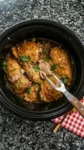
- BBQ Meatballs — Oven-baked meatballs glazed in BBQ sauce and ready in 25 minutes, built for weeknights, game days, and any occasion where you need a crowd-sized portion fast.
- BBQ Chicken Wings Recipe — Oven-baked wings finished with a caramelized BBQ glaze in 25 minutes, crisp on the outside without a drop of frying oil.
Also on CrispyGlaze:
- Homemade BBQ Sauce Recipes — 48 tested sauce recipes covering every style from Kansas City and Carolina mustard to Korean gochujang and peach bourbon, for anyone who wants to build the glaze from scratch rather than reach for the bottle.
The one habit worth developing before you make any oven BBQ ribs recipe is pulling the racks out of the refrigerator 30 to 45 minutes before they go in the oven. A cold rack dropped into a 275°F oven takes longer to reach the temperature at which collagen starts converting, which means your time estimate is off before the cook even starts. Room temperature meat hits the target window faster and cooks more evenly from edge to center. It is the kind of small step that most recipes skip in the ingredient list and then blame the cook for when the timing is off. What rib recipe are you starting with?