Dessert is the one course most home cooks either skip entirely or treat as a special occasion thing, and both instincts are wrong. Easy dessert recipes do not require a pastry background, a stand mixer, or two hours of your Saturday afternoon. What they require is knowing which techniques matter and which ones are just noise, picking the right recipe for the right evening, and understanding why certain things go wrong so you can stop making the same mistakes in a pan that has started to feel cursed.
This collection covers twenty-eight easy homemade desserts across cookies, cakes, cobblers, pies, puddings, custards, and a few things that do not fit neatly into any category but taste like they do. Some take ten minutes. Some take sixty. All of them are worth knowing how to make because they cover the full range of what a home baker actually needs: a fast weeknight option, a reliable crowd dessert, a make-ahead recipe for when you have people coming over, and a project for when you actually want to spend time in the kitchen. That is the whole system. This guide tells you how to use it.
What Makes a Dessert Actually Easy
Easy is not the same as fast, and treating them as synonyms is the reason most “easy” dessert labels disappoint.
A cobbler that takes forty minutes in the oven is easy because the prep is ten minutes and the technique is forgiving. A custard that chills for two hours is easy because the active work is under thirty minutes and the refrigerator does the rest. A cookie that bakes in ten minutes can be genuinely hard if the dough is finicky and the margin for error is small.
The easy dessert recipes in this collection share a different definition: they have a short window of active time, they use ingredients available at any grocery store, and they tolerate the kind of minor imprecision that happens in a real home kitchen where the oven runs a little hot and you are not weighing every gram on a scale. That is what makes a quick dessert recipe actually easy to cook from rather than just easy to read about.
Featured Recipe: Peanut Butter Cookies
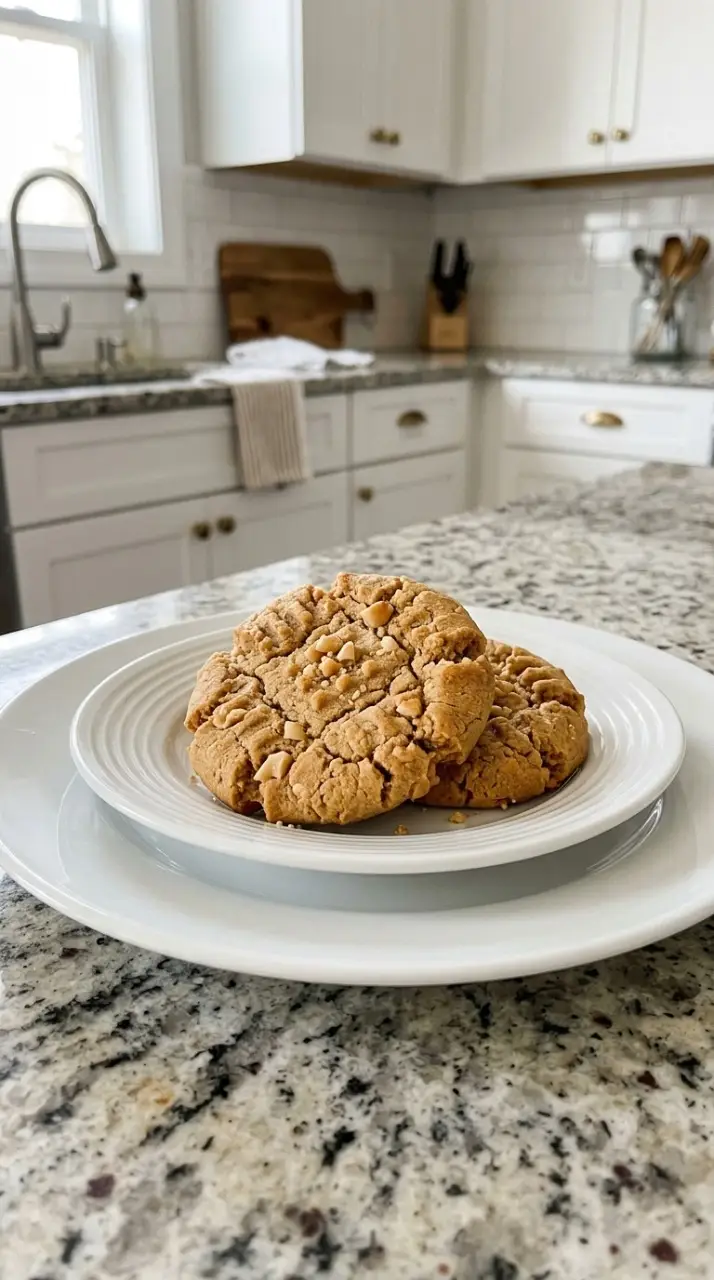
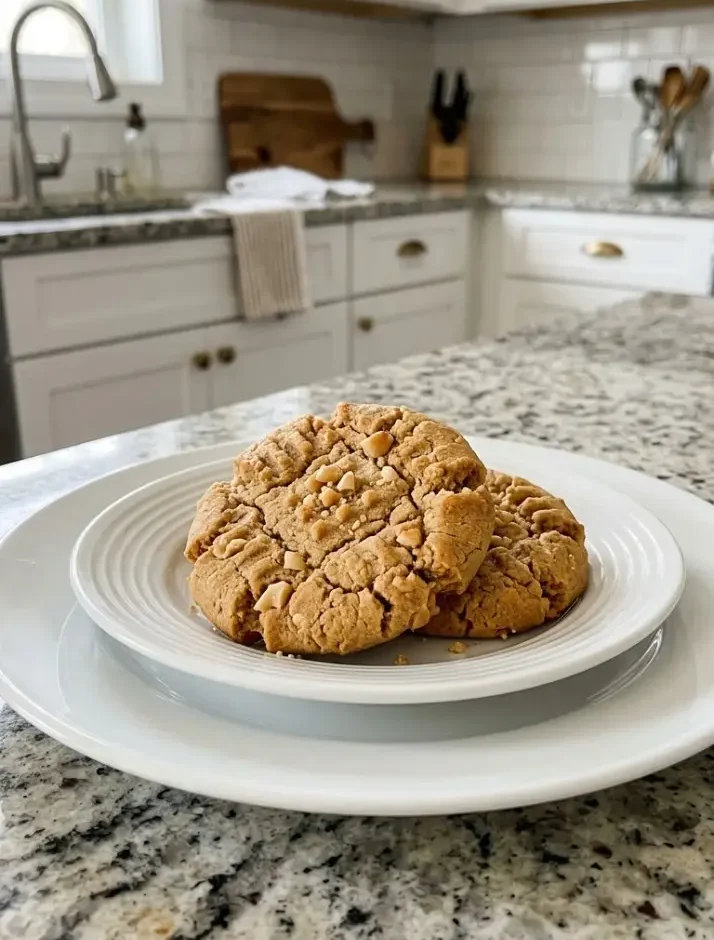
The Peanut Butter Cookies are the recipe that earns the featured spot for a specific reason: five ingredients, ten minutes of bake time, and a result that is genuinely better than most multi-ingredient versions. No flour. No butter. No chilling the dough. Just peanut butter, sugar, egg, vanilla, and baking soda pressed into rounds and baked at 350°F until the edges are set and the centers still look slightly underdone. They continue cooking on the pan after they come out. Pull them too late and they go hard. Pull them right, and they stay soft and chewy in the center with a faint crispness at the rim. That is the whole recipe, and it is one of the most reliable ten-minute desserts in this collection.
How Baking Works Differently from Cooking and Why It Matters
The main reason people find baking intimidating is that it operates on different rules than cooking, and nobody explains the rules before asking you to follow them. In cooking, you adjust as you go. In baking, most of the adjustments have to happen before the pan goes in the oven, because heat locks in the decisions you made during mixing. Understanding a few of those decisions makes every recipe in this collection easier to execute.
Leavening is the first principle worth understanding. Baking soda requires an acid in the batter to activate, which is why Peanut Butter Cookies and the Easy Carrot Cake use it alongside acidic ingredients rather than baking powder alone. Baking powder contains its own acid and activates with moisture and heat, which is why it works in recipes without an obvious acidic component. Using the wrong one produces a flat result regardless of how precise you were about everything else.
Fat temperature matters more than most recipes acknowledge directly. Butter that is too cold does not cream with sugar properly, which means the batter never traps the air bubbles that give a cake its lift. Butter that is too warm goes greasy and produces a dense, oily crumb. Room temperature means sixty-five to seventy degrees Fahrenheit, which in most homes is between thirty and sixty minutes out of the refrigerator depending on the season. For the Easy Chocolate Cake and the Yellow Cake, fat temperature is the single most controllable variable between a tender crumb and a heavy one.
Do not overmix. This is the most repeated instruction in baking and the single habit that separates easy desserts for beginners from batters that never quite work, because it feels counterintuitive to stop mixing when the batter still looks slightly uneven. Overmixing develops gluten in the flour, which makes cakes tight and dense rather than tender. Mix until just combined, stop at the first sign that the dry ingredients have disappeared into the wet ones, and do not go back for a final stir to smooth things out. Lumps in cake batter are correct. A silky-smooth batter has usually been overmixed.
Oven temperature accuracy is worth checking once, especially for custard-based desserts. The Easy Flan Recipe and the Panna Cotta Recipe are unforgiving of temperature swings because the proteins in eggs and cream set within a narrow window. An oven thermometer costs under fifteen dollars and reveals what most home ovens are actually doing versus what the dial says they are doing. According to King Arthur Baking{target=_blank}, the average home oven runs between twenty-five and fifty degrees off from the dial setting, which is enough to crack a cheesecake, underbake a custard, or burn the bottom of a cobbler while the top is still pale.
No-Bake Desserts vs Baked Desserts: Which to Reach For
No-bake desserts are the right choice for warm weather, tight time windows, and any situation where the oven is already occupied or the idea of adding more heat to the kitchen is genuinely unappealing. Baked desserts are the right choice when texture is the priority, specifically when you want something with structure, a crust, or a set crumb that a refrigerated dessert cannot replicate.
The no-bake dessert recipes in this collection are genuinely strong. The Chocolate Eclair Cake layers graham crackers with vanilla pudding and chocolate ganache and refrigerates until the crackers soften into something that reads like an actual pastry without a single minute of oven time. The Panna Cotta Recipe sets with gelatin in the refrigerator and produces a dessert that looks considerably more technical than it is. The Easy Chocolate Mousse requires two hours of chill time but about fifteen minutes of active work. These are not compromises. They are genuinely good desserts that happen to avoid the oven entirely.
Baked desserts justify the oven when the result needs it. The Homemade Apple Pie cannot be made any other way. The Blueberry Pie Recipe needs the heat to set the filling and develop the crust. The Easy Cheesecake Recipe bakes low and slow to set without cracking. For these, the oven is not optional. For summer evenings when you want something cold and sweet without heating the kitchen, reach for the no-bake side.
The practical recommendation is to keep one recipe from each category ready to make from pantry staples. The Chocolate Eclair Cake requires graham crackers, instant pudding, and chocolate chips, all of which live in the pantry indefinitely. The Dump Cake Recipe uses canned fruit and boxed cake mix for a baked option that comes together in five minutes of prep. Both are legitimately useful on a night when you need dessert and did not plan ahead.
The Ingredients and Tools That Make Easy Desserts Work
Room temperature eggs perform differently than cold eggs. Cold eggs do not emulsify properly with fat, which means the batter separates slightly during mixing and the finished texture suffers for it. Pull eggs from the refrigerator thirty minutes before you start. If you forgot, put them in a bowl of warm water for ten minutes. This is not a finicky chef thing. It is the difference between a batter that comes together and one that looks curdled and never quite recovers.
Vanilla extract quality matters in recipes where vanilla is a primary flavor rather than a background note. The Vanilla Cupcakes and the Rice Pudding Recipe both rely on vanilla as a central flavor, and imitation vanilla produces a noticeably flatter result than real extract. This is one of the few ingredient upgrades that actually tastes different in the finished dish rather than just making the cook feel better about spending more money.
A 9×13 inch baking dish is the single most useful piece of equipment for the recipes in this collection. The Bread Pudding, the Pumpkin Bars, the Cinnamon Apple Cobbler, the Dump Cake Recipe, and several others all use this format. A good ceramic or glass 9×13 distributes heat more evenly than thin aluminum and produces a more consistent bake across the entire surface. If you own one good baking dish, this is the size it should be.
A digital thermometer earns its place in dessert making for custards specifically. The Easy Flan Recipe is done when the internal temperature reaches 180°F and the center still has a slight wobble. A toothpick test does not tell you this. An instant-read thermometer does, and it removes the guesswork that turns a silky custard into a grainy, overcooked one.
Cornstarch is the thickening agent that separates a clean, set fruit pie filling from one that runs across the plate when you cut into it. The Blueberry Pie Recipe uses it for exactly this reason. Flour works as a substitute but produces a slightly cloudier, starchier filling. For pies where the clarity of the filling is part of the visual appeal, cornstarch is the better choice.
What to Make by Season, Occasion, and Crowd Size
Fall and winter are when the warm, spiced desserts earn their keep. The Cinnamon Apple Cobbler, the Baked Apples Recipe, the Pumpkin Bars, and the Apple Cake with a Nutty Flavor all use autumn produce at its peak. The Apple Crisp Recipe is the version to make when you want the flavor of apple pie without the work of a double crust. The Bread Pudding is the cold-weather dessert that converts people who thought they did not like bread pudding, usually because the version they tried before was dry.
Spring and summer shift toward fruit-forward and cold preparations. The Strawberry Cobbler Recipe and the Bisquick Peach Cobbler both work best when the fruit is in season and genuinely ripe rather than out of a can. The Raspberry Lemon Cake, the Lemon Blueberry Cake, and the Easy Lemon Pie all lean on the bright acidity that feels right in warm weather and tastes flat in December. The Panna Cotta Recipe and the Easy Chocolate Mousse are the no-oven cold-weather alternatives for summer gatherings when the kitchen is already warm.
For celebrations and guest occasions where you need easy dessert recipes for a crowd, the cake recipes carry the visual weight the moment requires. The Pistachio Cake and the Easy Carrot Cake are the options that look like effort because they require frosting and layering, but neither is technically beyond a beginning baker. The Easy Cheesecake Recipe is the most impressive-looking result for the actual effort level, and it can be made two days ahead, which makes it the right choice any time you are hosting a dinner where dessert needs to be done before guests arrive.
For weeknight occasions when you want something fast and satisfying without planning ahead, the Easy Sopapillas Recipe, the Pineapple Dump Cake, and the Vanilla Cupcakes all move from pantry to table in under forty minutes. For a complete end-of-meal experience that pairs dessert with something warm to drink, the Warm Drinks collection on CrispyGlaze connects directly. A slice of Easy Chocolate Cake alongside a Honeybush Caramel Winter Tea is a complete winter evening in two recipes.
For morning-adjacent sweets that blur the line between dessert and breakfast, the Breakfast Ideas guide on CrispyGlaze covers the overlap territory where cinnamon rolls and cobblers live before noon.
When Things Go Wrong: Four Common Dessert Problems Fixed
The Cake Sank in the Middle
A sunken center is almost always one of two things: the cake was underbaked and the structure had not set before it came out of the oven, or the oven door was opened before the batter had finished rising and the drop in temperature caused it to collapse mid-rise. For the Yellow Cake or any standard layer cake, test doneness with a toothpick inserted at the center, not the edge. The edges cook faster. A clean toothpick from the center and a surface that springs back when gently pressed are the two reliable signals. Do not open the oven door in the first two-thirds of the bake time. The internal temperature is building during that window and a cold air intrusion can halt the rise permanently.
The Cobbler Topping Came Out Doughy and Raw
A doughy cobbler topping means the fruit released too much liquid during baking and the topping essentially steamed rather than baked. This happens most often with fresh fruit that was not given time to macerate first or with frozen fruit added directly from the freezer. Fresh fruit should be tossed with sugar fifteen minutes before assembling the cobbler so it releases some of its liquid before the topping goes on. Frozen fruit should be thawed and drained. For the Strawberry Cobbler Recipe and the Cinnamon Apple Cobbler, this step is the difference between a topping that bakes through and one that ends up soft and pale in the center no matter how long it stays in the oven.
The Custard or Flan Curdled and Turned Grainy
Curdled custard is overcooked egg protein. It happens when the temperature goes above 185°F, at which point the proteins seize and squeeze out liquid, leaving behind a grainy, weeping texture that cannot be smoothed back out. Prevention is the only real option here. Bake custards in a water bath, which regulates the temperature around the ramekins and prevents the edges from overcooking before the center sets. Pull the Easy Flan Recipe from the oven when the edges are set and the center still has a visible wobble. It will continue setting as it cools. The instinct to leave it in until it looks completely firm produces a grainy result every time.
The Pie Filling Ran All Over the Plate
A runny pie filling did not thicken properly, and the most common reason is that the pie was cut before it had time to set after coming out of the oven. A baked fruit pie needs at least two hours at room temperature after baking before it is sliced. During those two hours, the thickener activates fully as the filling cools and the structure firms up from the inside. Cutting into a warm pie releases everything in a liquid flood regardless of how much cornstarch or flour was in the recipe. The Homemade Apple Pie and the Blueberry Pie Recipe both need this cooling window. Waiting is the hardest technique in pie making and also the most effective one.
FAQ
What are the easiest desserts to make for a crowd?
Recipes baked in a 9×13 inch dish are the strongest options for feeding a crowd because they scale without requiring additional equipment or technique. The Pumpkin Bars, the Bread Pudding, and the Dump Cake Recipe all produce twelve or more servings from a single pan and require almost no individual portion work beyond slicing. The Chocolate Eclair Cake is the strongest no-bake crowd option because it refrigerates overnight and is actually better the next day than it is fresh, which makes it ideal for any event where you want dessert finished before guests arrive.
What easy dessert recipes use simple ingredients I already have?
The Peanut Butter Cookies require only five ingredients that most kitchens have on hand: peanut butter, sugar, egg, vanilla, and baking soda. The Rice Pudding Recipe uses rice, milk, sugar, and vanilla, which is a shorter pantry list than almost any other dessert in the collection. The Easy Sopapillas Recipe uses refrigerated biscuit dough, oil for frying, and cinnamon sugar, which is the kind of dessert you can have on a plate in twenty minutes with zero advance planning.
What is the difference between a cobbler, a crisp, and a crumble?
A cobbler has a biscuit or batter topping dropped or spread over fruit, producing a soft, cakey crust rather than a crunchy one. A crisp has a topping made with oats, flour, butter, and sugar that bakes to a crunchy, granola-like texture. A crumble is similar to a crisp but typically does not include oats, resulting in a finer, sandier topping. The Apple Crisp Recipe uses the oat-based topping that distinguishes a crisp from a cobbler. The Cinnamon Apple Cobbler uses a batter topping that bakes softer and more cakey. Both are good. The right choice depends on whether you want crunch or tenderness on top of the fruit.
Can you make desserts ahead of time for a dinner party?
Many desserts in this collection are genuinely better made a day ahead. The Easy Cheesecake Recipe needs overnight refrigeration after baking and should not be served the same day it is made. The Chocolate Eclair Cake needs at least six hours for the crackers to soften fully and is best made the night before. The Panna Cotta Recipe sets in four to six hours and holds in the refrigerator for up to three days. For dinner party planning, the make-ahead desserts are not a compromise on quality. They are often the better version of the recipe because resting time does work that active baking cannot.
How do you keep baked desserts fresh after making them?
Most baked goods stay fresh at room temperature for two days if stored in an airtight container. Cakes with cream cheese frosting need refrigeration and should be covered tightly to prevent the frosting from absorbing refrigerator odors. Pies with custard or cream fillings, including the Easy Lemon Pie, should be refrigerated and consumed within three days. According to FDA food safety guidelines, baked goods with dairy-based fillings or toppings should not be left at room temperature for more than two hours. Cobblers and crisps hold at room temperature for one day and reheat well in a 325°F oven for ten to twelve minutes.
What is the easiest cake to bake from scratch?
The Easy Chocolate Cake is the most forgiving recipe in the cake section of this collection. It uses oil rather than butter, which means fat temperature is not a variable, and the batter comes together without a mixer. Cocoa powder is more tolerant of slight variations in quantity than other flavor agents, which means a rough measurement produces a result that is still recognizably good. The Yellow Cake is the second most accessible and doubles as the base for almost any flavor variation you want to add. Both are the right starting point for anyone who has never baked a cake from scratch and wants a recipe that produces a good result on the first attempt.
All Easy Dessert Recipes on CrispyGlaze
Every recipe in this collection is tested, written with timing and technique notes, and organized so you can find what fits the occasion without sorting through thirty options on a weeknight.
- Rice Pudding Recipe — stovetop, creamy, 40 minutes
- Bread Pudding — uses day-old bread, feeds a crowd
- Strawberry Cobbler Recipe — summer fruit, biscuit topping
- Peanut Butter Cookies — five ingredients, ten minutes
- Cinnamon Apple Cobbler — fall staple, warm spiced topping
- Pumpkin Bars Recipe — sheet pan, autumn seasonal
- Easy Sopapillas Recipe — fried, cinnamon sugar finish
- Apple Cake With A Nutty Flavor — one bowl, 40 minutes
- Yellow Cake Recipe — beginner friendly, any occasion
- Raspberry Lemon Cake — bright and tangy, spring and summer
- Lemon Blueberry Cake Recipe — citrus forward, fresh berry
- Pistachio Cake Recipe — rich and nutty, intermediate skill
- Pineapple Dump Cake — five minutes prep, pantry staple
- Vanilla Cupcakes Recipe — light, fluffy, party ready
- Chocolate Eclair Cake — no-bake, make night before
- Easy Carrot Cake — beginner friendly, cream cheese frosting
- Panna Cotta Recipe — no-bake, sets in refrigerator
- Easy Lemon Pie — 20 minutes, bright citrus filling
- Apple Crisp Recipe — oat topping, crunchy finish
- Blueberry Pie Recipe — beginner crust, set filling
- Dump Cake Recipe — beginner, five minutes prep
- Easy Flan Recipe — custard, water bath method
- Easy Chocolate Mousse — no-bake, chill two hours
- Bisquick Peach Cobbler — pantry mix, summer stone fruit
- Easy Chocolate Cake — no mixer needed, beginner
- Baked Apples Recipe — fall dessert, 30 minutes
- Homemade Apple Pie — double crust, advanced skill
- Easy Cheesecake Recipe — make ahead, sets overnight
The most useful thing anyone can tell you about easy homemade desserts is this: the recipe is rarely the problem. The oven temperature, the fat temperature, the patience to let a custard cool and a pie set, the decision not to open the oven door during the first twenty minutes of bake time — these are the things that determine whether a dessert works or does not. Get those habits right and almost every recipe in this collection becomes genuinely easy to execute. Is there a dessert you have given up on after one bad attempt? It is probably worth trying again with a thermometer and a timer.