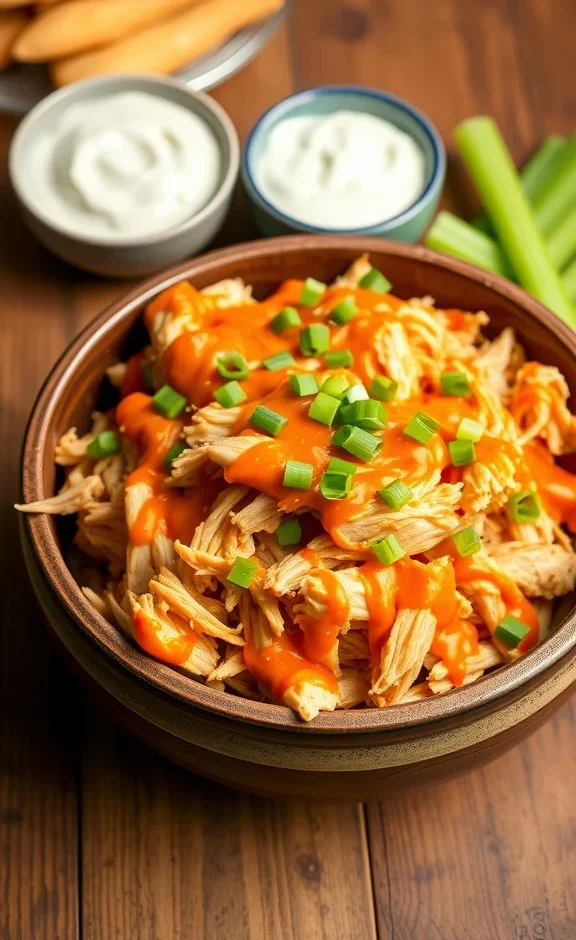
- Prepare Your Slow Cooker and Chicken
Set your slow cooker on a counter near an outlet where it can sit undisturbed for several hours. Choose a spot away from anything flammable and where the cord won't be a tripping hazard. The slow cooker exterior gets warm during cooking, so make sure there's airflow around all sides.
If using a slow cooker liner, open it completely and press it into the insert, smoothing out any wrinkles. The liner should drape over the edges slightly. These liners are designed specifically for slow cooker temperatures, so don't worry about them melting or releasing anything weird. They're food-safe and incredibly convenient.
Remove chicken breasts from packaging and place them on a cutting board. Pat each breast completely dry with paper towels. This removes excess moisture that would otherwise dilute your buffalo sauce. Dry chicken also browns slightly better and absorbs sauce more effectively.
Examine the chicken breasts for any obvious fat, tendons, or weird bits that should be trimmed. Use kitchen scissors or a sharp knife to remove these. A little fat is fine, but large fatty sections don't render well in slow cookers and can make the final dish greasy.
If your chicken breasts are particularly thick (more than an inch at the thickest point), consider butterflying them. Place your hand flat on top of the breast to steady it, then carefully slice horizontally through the thickest part, stopping about half an inch from the opposite edge. Open it like a book. This creates more uniform thickness that cooks evenly without dry spots.
Season both sides of each chicken breast with a light sprinkle of salt and black pepper. This step is optional since buffalo sauce is already well-seasoned, but it does add depth. Freshly cracked black pepper tastes better than pre-ground, though either works fine. Just a light dusting is all you need.
- Arrange Chicken in the Slow Cooker
Place chicken breasts in the bottom of your slow cooker, arranging them in as close to a single layer as possible. Some overlap is perfectly fine if necessary, but try to avoid stacking them directly on top of each other. A single layer ensures more even sauce coating and more uniform cooking.
If you have different sized breasts, place the larger, thicker ones on the bottom or toward the edges where they'll receive slightly more heat. Smaller or thinner pieces can go on top or in the center. This strategic arrangement helps everything finish cooking at roughly the same time.
Don't worry if the chicken looks crowded or doesn't fit perfectly. As it cooks, the chicken will shrink and release liquid, creating more space. What looks cramped now will look completely different after a few hours of cooking. The slow cooker is forgiving about these things.
- Add Buffalo Sauce and Butter
Pour the buffalo sauce evenly over the chicken, trying to coat all surfaces. One cup should cover everything nicely, though it won't completely submerge the chicken at first. That's perfectly normal and expected. Use a spoon to spread sauce over any exposed areas, ensuring every piece gets some coverage.
The chicken will release juices as it cooks, which combine with the buffalo sauce to create more liquid. What seems like barely enough sauce now will become plenty after cooking. Trust the process even if it looks like you need more sauce initially.
If using butter (and you really should), cut it into several tablespoon-sized pieces and distribute them evenly over the top of the sauced chicken. The butter will melt during cooking, creating pockets of rich flavor throughout the dish. Some pieces will land on chicken, others in sauce, all of it works together beautifully.
If using the optional ranch seasoning packet, sprinkle it evenly over everything. Open the packet and use your fingers to distribute the seasoning, trying to cover all the chicken breasts. The ranch seasoning adds a subtle herbaceous, creamy note that complements the buffalo tang nicely without overwhelming it.
- Set It and Forget It (Literally)
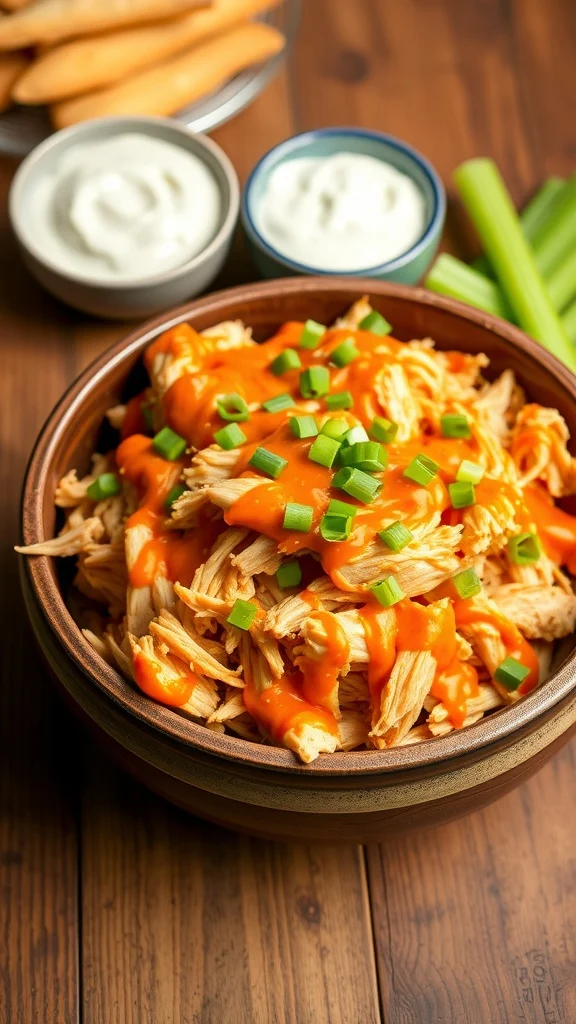
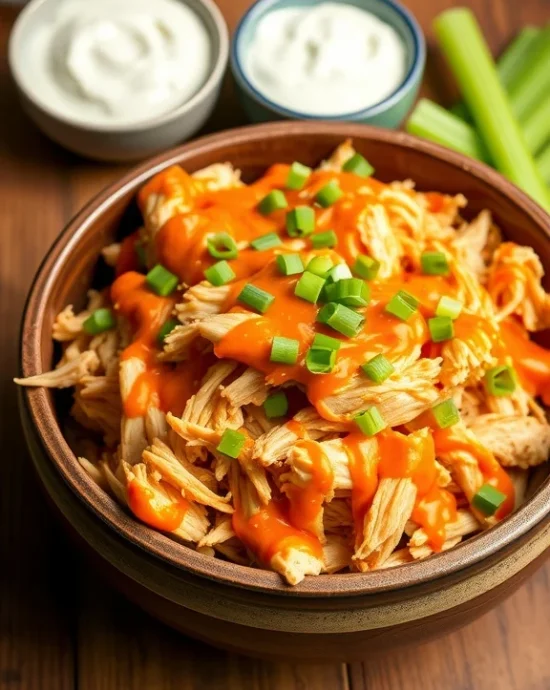
Once cooked, remove the chicken from the slow cooker and shred it using two forks. Return the shredded chicken to the slow cooker and mix it with the sauce.
- Check for Doneness
After the minimum cooking time, carefully remove the slow cooker lid. A rush of steam and the incredible smell of buffalo chicken will greet you. The chicken should look very tender, possibly already starting to fall apart. The buffalo sauce will have darkened slightly and combined with chicken juices to create more liquid.
Insert an instant-read thermometer into the thickest part of the largest chicken breast. You're looking for 165°F at minimum for food safety. Chicken cooked this long often reaches 170°F to 175°F, which would be too dry with other cooking methods but remains juicy in the moist slow cooker environment.
Test tenderness by inserting a fork into the thickest part of a piece. It should slide in easily with virtually no resistance. The meat should want to flake apart naturally when you move the fork. If it's still slightly firm or doesn't shred easily, close the lid and give it another 30 minutes to an hour.
The sauce should have thickened slightly from the long cooking process. Some fat from the chicken and butter will be visible on the surface, which is normal and actually desirable. This fat carries flavor and creates that rich, coating texture buffalo chicken is known for.
- Shred the Chicken Thoroughly
Use tongs or a slotted spoon to carefully transfer chicken breasts to a large cutting board or rimmed baking sheet. They'll be extremely tender and might threaten to fall apart during transfer, which is actually perfect. Be gentle but don't stress too much, some falling apart is fine.
Let the chicken sit for just a minute so it's not scorching hot to handle. You don't want it to cool completely, just enough that you won't burn yourself. Meanwhile, look at the sauce remaining in the slow cooker. If it seems thin, you can leave the lid off and let it reduce slightly while you shred.
Using two forks, pull the chicken apart into shreds. Hold one fork steady while using the other to pull meat away, working with the natural grain of the chicken. The meat should shred incredibly easily if it's properly cooked. Thick pieces will separate into multiple strands while smaller pieces break into chunks.
Some people prefer using their hands for shredding once the chicken is cool enough. Hands give you better control over shred size and let you remove any weird bits like fat or gristle. The method doesn't matter, choose whatever feels comfortable and efficient. Aim for bite-sized shreds that work well in sandwiches or salads.
If you encounter pieces that resist shredding, they might not be fully cooked. Return those pieces to the slow cooker for another 15 to 20 minutes, then try again. This rarely happens with chicken breasts but can occur with particularly thick pieces.
- Combine and Let It Soak
Return all the shredded chicken to the slow cooker with the buffalo sauce. Use your forks or a large spoon to stir everything together thoroughly, making sure every single shred gets coated with sauce. This step is absolutely crucial, it transforms separate components into cohesive buffalo chicken.
The shredded chicken will absorb sauce much better than whole pieces did. You'll notice the liquid level drop as the meat soaks up that tangy goodness. Keep stirring to ensure even coating, you want every bite to deliver that buffalo punch.
Let everything sit together on the WARM setting for at least 10 to 15 minutes, longer if you have time. This resting period allows flavors to meld and the chicken to fully absorb the sauce. The texture also improves as shredded pieces soften and become more uniform. The result is cohesive buffalo chicken rather than chicken with sauce on it.
If serving immediately, give it a final stir before plating. If holding for a party or gathering, keep it on WARM setting and stir occasionally to prevent any drying on the edges. Buffalo chicken can hold like this for up to two hours without quality loss, making it perfect for entertaining.
Taste a piece at this point to check seasoning and heat level. This is your last chance to adjust before serving. Need more heat? Add more buffalo sauce or a dash of hot sauce. Want it milder? Stir in a bit of ranch dressing or sour cream. Too thick? Add a splash of chicken broth. Making it perfect for your preferences is what separates good cooking from great cooking.
- Serve with All the Fixings
If serving on buns, toast them lightly first. This small step makes a huge difference in preventing soggy sandwiches. Butter the cut sides and place face-down in a hot skillet for about a minute, or run under the broiler for 30 seconds. The light crispness provides structural integrity against the saucy chicken.
Pile buffalo chicken generously onto buns, in tortillas, or into lettuce cups depending on your preference. Don't be stingy with portions, this is comfort food and abundance matters. The chicken should overflow slightly, looking appetizing and satisfying.
Drizzle with ranch or blue cheese dressing. The cool, creamy dressing is essential for balancing the heat and tang of buffalo chicken. It also adds moisture and richness. Some people prefer ranch (more mainstream, milder), others swear by blue cheese (more traditional, more pungent). Offer both if serving a crowd.
Add celery and carrot sticks on the side. These aren't just garnish, they're traditional buffalo chicken accompaniments that add crunch and freshness. The cool vegetables provide textural contrast and help cool your mouth between bites of spicy chicken.
Set out additional toppings and let people customize. Pickles, coleslaw, shredded lettuce, diced tomatoes, sliced jalapeños, whatever sounds good. This DIY approach makes everyone happy and turns a simple dinner into something more interactive and fun.
- Calories:300 kcals
- Fat:10 grams
- Proteins:40 grams
- Carbohydrates:5 grams
Slow cooker buffalo chicken is about to revolutionize your meal planning, party hosting, and weeknight dinner game all at once. This ridiculously simple recipe transforms basic chicken breasts into tangy, spicy, impossibly tender shredded chicken that works for literally everything from sandwiches to salads to party dips. We’re talking three ingredients minimum, set-it-and-forget-it convenience, and results that’ll make people think you’ve been slaving away all day.
The genius of this recipe lies in how buffalo sauce and slow cooking work together to create something magical. The long, gentle heat breaks down chicken into tender strands while the sauce penetrates every fiber, infusing intense flavor throughout. No dry, bland chicken here, just juicy, spicy perfection that practically falls apart at the touch of a fork. This is the kind of cooking that makes you look like a kitchen wizard despite doing almost nothing.
What makes slow cooker buffalo chicken absolutely essential is its incredible versatility. Make one batch and you’ve got filling for sandwiches, topping for salads, base for dips, stuffing for tacos, protein for bowls, and about a dozen other applications. One recipe, endless possibilities, minimal effort, maximum deliciousness. This is exactly the kind of smart cooking that busy people need in their lives.
Why This Recipe Deserves Permanent Real Estate in Your Brain
Slow cooker buffalo chicken requires maybe five minutes of actual work. Five minutes! Toss chicken in a slow cooker, pour sauce over it, turn it on, walk away. Hours later, return to find dinner basically made itself while you were doing literally anything else. This is the epitome of lazy cooking that doesn’t taste lazy, which is the holy grail of weeknight meals.
The flavor intensity that develops during those slow cooking hours is honestly ridiculous. Every single strand of chicken gets infused with that classic buffalo tang and heat. The butter (if you add it, and you should) melts into the sauce, creating this rich, coating texture that makes everything taste more indulgent. This is restaurant-quality buffalo chicken without leaving your house or spending restaurant money.
Budget Champion Without Question
Chicken breasts go on sale constantly, making this an economical choice that feeds a crowd for minimal money. Buffalo sauce costs a few dollars and lasts through multiple batches. You’re looking at maybe ten to twelve dollars total to feed six to eight people generously. Compare that to wings at a sports bar (fifteen to twenty dollars for a single serving) and the savings become truly impressive.
The leftovers situation is unreal. This chicken keeps beautifully and reheats without getting dry or weird. Make it Sunday, eat it all week in different forms, never feel like you’re suffering through boring leftovers. That kind of meal planning efficiency saves both money and sanity, which are equally valuable resources.
Meal Prep Gold Standard
This recipe practically begs to be meal prepped. Make a double batch in a large slow cooker, portion it into containers with different serving styles, and boom, you’ve got lunches or dinners handled for days. The chicken actually tastes better after sitting in its sauce overnight as flavors continue developing and melding together.
Buffalo chicken freezes beautifully for up to three months. Portion into freezer bags, label with dates, stack flat in the freezer. Future you will be incredibly grateful when you can pull out homemade buffalo chicken for a quick dinner instead of ordering expensive, mediocre takeout. This is the kind of forward thinking that makes life easier.
Party and Crowd Feeding Superhero
Whether you’re hosting game day, bringing food to a potluck, or feeding hungry teenagers after practice, buffalo chicken has your back. It stays warm in the slow cooker for hours, people can serve themselves easily, and pretty much everyone loves buffalo chicken. The crowd-pleasing factor approaches universal, which is rare and valuable in cooking.
Set up a buffalo chicken bar with various serving options and toppings. Buns, tortillas, lettuce cups, chips for dipping, ranch, blue cheese, celery, carrots, pickles. People can customize their meals exactly how they want them while you get all the credit for being a thoughtful, creative host. Win-win situation all around.
The Story Behind Buffalo Chicken
Buffalo chicken originated in Buffalo, New York (shocker, right?) at the Anchor Bar in 1964. Legend says Teressa Bellissimo created buffalo wings late one night when her son and his friends showed up hungry. She deep-fried chicken wings, tossed them in hot sauce and butter, and served them with celery and blue cheese dressing. That spontaneous creation became one of America’s most iconic bar foods.
The original buffalo wings were just chicken wings, but the flavor profile was so beloved that people started applying it to everything. Buffalo chicken sandwiches, buffalo chicken pizza, buffalo chicken dip, buffalo chicken anything you can imagine. The combination of hot sauce, butter, and cooling ranch or blue cheese proved universally appealing, transcending its bar food origins.
From Wings to Everything Else
The transition from wings to other forms of buffalo chicken happened naturally as home cooks wanted those flavors without the hassle of dealing with wings. Boneless options are easier to eat, more versatile for different applications, and honestly less messy. Slow cooker buffalo chicken took this evolution further by making the preparation as easy as the eating.
Home cooks and busy parents embraced slow cooker buffalo chicken enthusiastically because it solved multiple problems at once. Easy preparation, minimal cleanup, kid-friendly (when using mild sauce), budget-conscious, versatile for different meals. This recipe checked every box that makes weeknight cooking manageable.
My Personal Discovery Journey
I discovered slow cooker buffalo chicken during a particularly hectic time when meal planning felt completely overwhelming. A coworker mentioned making something similar for a potluck, and honestly, I was skeptical. How could something this simple possibly be good enough to bring to a gathering where you want to impress people?
That skepticism evaporated the moment I tasted my first batch. The chicken was ridiculously tender, practically melting in my mouth. The buffalo flavor was perfect, spicy but not painful, tangy but not overwhelming, rich from the butter without being greasy. This was legitimately delicious, not just acceptable-because-it-was-easy.
What really sold me was discovering how many different ways I could use it. Monday’s chicken became sandwiches, Tuesday’s topped a salad, Wednesday’s turned into a dip for game night, Thursday’s stuffed tacos. Same basic preparation, completely different meals, which meant less cooking while maintaining variety. This single recipe solved so many dinnertime dilemmas simultaneously.
Regional and Personal Variations
Different regions and families put their own spin on buffalo chicken based on heat tolerance and flavor preferences. Some people mix buffalo sauce with ranch dressing for a creamy, milder version. Others add honey or brown sugar to balance the heat with sweetness. Garlic powder, onion powder, or even blue cheese crumbles mixed in create unique variations.
Competition-level buffalo chicken sometimes involves marinating chicken first, using homemade buffalo sauce, or adding secret ingredients like Worcestershire sauce or liquid smoke. These elevated versions show that even simple recipes can be refined and personalized. The basic technique remains accessible while allowing for creativity and experimentation.
Cultural Impact Today
Buffalo chicken represents modern American comfort food at its most versatile. It’s become so ubiquitous that most restaurants have at least one buffalo chicken option on their menu. Sports bars, casual dining chains, even fancy gastropubs serve some version. This widespread availability speaks to how universally beloved these flavors are.
The rise of meal prep culture has given buffalo chicken new relevance. Fitness enthusiasts prep it for high-protein, low-carb lunches. Busy parents rely on it for easy dinners that kids actually eat. Budget-conscious cooks appreciate how affordable and efficient it is. This recipe crosses demographic boundaries because it solves universal problems around time, money, and wanting to eat well.
Quality Considerations That Actually Matter
Buffalo sauce quality makes a real difference in the final dish. Frank’s RedHot is the classic choice and the original buffalo wing sauce, providing authentic flavor that’s hard to beat. Other brands work perfectly fine, just choose one you enjoy eating. The sauce provides the entire flavor foundation, so using one you like ensures you’ll love the results.
Real butter versus margarine is worth considering here. Butter provides richness and authentic flavor that margarine can’t quite match. The butter melts into the buffalo sauce, creating a coating texture that makes everything taste more luxurious. This is comfort food, splurge the extra fifty cents on real butter.
Chicken breast quality varies surprisingly. Organic, free-range chicken costs more but tastes noticeably better and has better texture. That said, regular chicken breasts work absolutely fine and are significantly more budget-friendly. Choose based on your priorities and budget, both yield delicious results with this forgiving recipe.
Ingredient Flexibility and Smart Substitutions
Chicken thighs can replace chicken breasts for more flavor and forgiveness during cooking. Thighs have more fat, which keeps them juicier during extended cooking and adds richer flavor. Some people actually prefer thighs for this recipe. They cost less too, bonus!
The ranch seasoning packet is completely optional. It adds a subtle creamy, herbaceous note that rounds out the buffalo tang nicely. Without it, you still get great buffalo chicken, just slightly more straightforward in flavor. Use it if you have it, skip it if you don’t, both versions work beautifully.
For dairy-free versions, use vegan butter or additional buffalo sauce instead of butter. The texture will be slightly different but still delicious. Some buffalo sauces contain butter already, so check labels if avoiding dairy completely. Ghee also works for anyone who tolerates clarified butter better than regular butter.
Heat level is easily customizable. Use mild buffalo sauce for kid-friendly versions or anyone sensitive to spice. Mix half buffalo sauce with half barbecue sauce for sweet heat that’s more approachable. Add extra hot sauce or cayenne pepper for anyone who likes serious heat. This flexibility means one recipe works for different spice tolerances.
Essential Equipment & Kitchen Wisdom
The Slow Cooker Essentials
You’ll need a slow cooker that holds at least 4 quarts, though 6 quarts is more versatile for larger batches or thicker chicken breasts. The chicken should fit comfortably in a single layer when possible, allowing sauce to coat everything evenly. Oval slow cookers work particularly well for chicken breasts since they accommodate the shape nicely.
Programmable slow cookers with automatic shut-off and warm settings are incredibly convenient but not required. They let you set the cooking time, then automatically switch to warm mode when done. This prevents overcooking if you’re running late. Older manual slow cookers work perfectly fine, just try to be home around the right time.
Slow cooker liners make cleanup absolutely effortless. These disposable plastic liners withstand slow cooker temperatures and mean you literally just throw away the mess when done. For sticky buffalo sauce, this convenience is legitimately life-changing. They cost pennies per use and save way more than that in cleanup time and frustration.
Tools That Simplify Everything
Two forks for shredding chicken is the classic method and works perfectly well. Some people prefer using their hands once the chicken cools slightly, which offers more control over shred size and texture. Kitchen tongs help move chicken in and out of the slow cooker without splashing buffalo sauce everywhere.
An instant-read meat thermometer eliminates guessing about doneness. You’re looking for 165°F internal temperature at minimum, though chicken cooked this long often reaches higher without drying out thanks to the moist slow cooker environment. The thermometer provides certainty and prevents food safety concerns.
Smart Preparation Strategies
Pat chicken breasts dry with paper towels before adding to the slow cooker. Excess surface moisture dilutes the sauce and extends cooking time. This thirty-second step makes a noticeable difference in how well the sauce coats the chicken and how quickly everything cooks.
If using particularly thick chicken breasts, consider butterflying them (cutting horizontally to open like a book) for more even cooking. Thick breasts can be overcooked on the outside while still underdone in the center. Butterflying creates uniform thickness that cooks evenly. This takes an extra minute but prevents texture issues.
Season chicken with a pinch of salt and pepper before adding sauce. This isn’t strictly necessary since buffalo sauce is well-seasoned, but it does add another flavor layer. Some cooks swear by this step, others skip it. Both approaches yield delicious results.
Professional Tips for Success
Resist opening the slow cooker lid to check progress. Every peek releases heat and extends cooking time by 15 to 20 minutes. The slow cooker needs that sealed environment to maintain proper temperature. Trust the process, set a timer, and walk away. Constant checking doesn’t make it cook faster, it makes it slower.
If making this for a party or gathering, plan to start it early enough that it’s ready before guests arrive. Buffalo chicken can hold on warm setting for up to two hours without quality loss. Better to have it ready early than scrambling to finish when people are waiting.
Pro Chef Secrets & Advanced Techniques
Understanding Slow Cooker Heat Distribution
Slow cookers heat from the bottom and sides, creating temperature zones within the cooking vessel. The outer edges receive more direct heat than the center. Understanding this helps you arrange chicken strategically for more even cooking. Thicker pieces toward the edges, thinner pieces in the center creates better uniformity.
The temperature range differs between LOW (around 190°F to 200°F) and HIGH (around 250°F to 300°F). Both temperatures are well above the safe cooking temp for chicken (165°F), but the difference affects texture. LOW creates more tender, fall-apart results while HIGH cooks faster but can be slightly less tender. Both work beautifully for this recipe.
Maximizing Flavor Development
Searing chicken briefly before slow cooking adds another dimension of flavor through caramelization. Heat oil in a skillet and brown each breast for 2 to 3 minutes per side before adding to the slow cooker. This extra step takes maybe ten minutes but creates hundreds of new flavor compounds through the Maillard reaction.
Adding aromatics like sliced onions, minced garlic, or diced celery directly to the slow cooker infuses more complexity. These ingredients soften during cooking and release their flavors into the sauce. Fresh aromatics taste more vibrant than powdered versions, though both have their place and both work.
Homemade buffalo sauce takes this to the next level. Combine melted butter, hot sauce (like Frank’s), a splash of white vinegar, Worcestershire sauce, and garlic powder. This fresh version tastes brighter and more complex than bottled sauce. It takes five extra minutes but makes a noticeable difference for special occasions.
Sauce Consistency Mastery
For thicker buffalo sauce that really clings to chicken, remove the lid during the last 30 minutes of cooking on HIGH. This allows moisture to evaporate while concentrating flavors. Stir occasionally to prevent any scorching on the edges. The result is sauce that stays put in sandwiches rather than dripping everywhere.
For extra thick sauce, transfer some cooking liquid to a small saucepan after shredding chicken. Simmer on the stovetop until reduced by half, then return to the slow cooker. This concentrated sauce packs intense flavor without watering down the chicken. Reserve extra for dipping or adding at the table.
Adding a tablespoon of cornstarch slurry (cornstarch mixed with cold water) to the finished sauce creates restaurant-style thick coating. Mix one tablespoon cornstarch with one tablespoon cold water until smooth, stir into simmering sauce, cook for five minutes. The sauce thickens dramatically and coats chicken luxuriously.
Temperature and Timing Refinement
Chicken breasts cook faster than thighs due to less fat and different muscle structure. If using all breasts, check at the early end of the time range. If using all thighs, they can handle longer cooking without issues. Mixing breasts and thighs means checking breasts first and potentially removing them while thighs continue cooking.
Starting with room temperature chicken instead of refrigerator-cold reduces cooking time by about 30 minutes. If you remember, take chicken out 20 to 30 minutes before cooking. This isn’t critical but does help everything cook more evenly. Cold chicken in the center takes longer for heat to penetrate fully.
Advanced Flavor Layering
Add a tablespoon of honey or brown sugar to balance the heat with sweetness. This creates a more complex flavor profile that appeals to broader audiences. The sweetness doesn’t make it taste dessert-like, it just rounds out the sharp edges of the buffalo tang.
Blue cheese crumbles mixed into the finished chicken create pockets of intense, creamy, funky flavor that buffalo chicken purists absolutely love. Use about half a cup of crumbled blue cheese, stirring it in right before serving. It melts slightly into the sauce, creating this incredible richness.
Finishing with a pat of cold butter stirred in after cooking (called mounting with butter) creates restaurant-quality silky texture. The cold butter emulsifies into the sauce, creating a glossy, luxurious coating. Restaurants use this trick constantly because it makes everything taste more expensive.
Restaurant-Level Presentation
For entertaining, set up a buffalo chicken bar where people build their own meals. Arrange all components in separate bowls with serving spoons. Multiple serving options like buns, tortillas, lettuce cups, and chips for dipping. This interactive approach looks impressive while being incredibly easy on the host.
Garnish plates with fresh herbs like cilantro or parsley for color. A lime wedge on the side adds professional touch and gives people the option of brightening their meal with citrus. Fresh cracked black pepper over the top looks elegant and adds subtle heat. These tiny details transform home cooking into restaurant-quality presentation.
Common Mistakes to Avoid (And How to Fix Them)
The Overcrowding Error
Cramming too much chicken into a slow cooker that’s too small prevents even cooking and creates food safety concerns. The center might not reach safe temperatures while outer pieces overcook. Use appropriately sized equipment, a 6-quart slow cooker handles 2 to 2.5 pounds of chicken perfectly.
If you only have a small slow cooker, reduce the recipe proportionally rather than stuffing everything in. Overcrowding also prevents sauce from coating properly, leading to unevenly flavored chicken. Give everything room to cook properly, the results justify using appropriate equipment.
The Wrong Cut Catastrophe
Using bone-in, skin-on chicken creates complications. You’ll need to remove bones and skin before shredding, which is messy and tedious. The skin doesn’t crisp in a slow cooker, it just becomes rubbery and unappetizing. Save yourself the hassle and stick with boneless, skinless breasts or thighs.
Chicken tenders cook much faster than breasts and can become mushy if cooked for the full time. If using tenders, reduce cooking time by about an hour and check frequently. They’re more delicate and less forgiving. Breasts or thighs are better choices for worry-free slow cooking.
The Constant Lid Lifting Problem
Opening the slow cooker repeatedly to check progress releases heat and significantly extends cooking time. Each peek adds 15 to 20 minutes to total cooking. Trust the process and resist checking constantly. Set a timer for the minimum cooking time, then check once.
That said, checking once at the minimum time is smart to assess doneness. One peek doesn’t cause problems, it’s the repeated checking that kills efficiency. Look, assess, and if needed, give it more time without checking again for at least 30 minutes.
The Insufficient Sauce Disaster
Not using enough buffalo sauce leaves you with dry, under-flavored chicken. One cup for 2 pounds of chicken is the minimum. You can always use more sauce, but starting with too little means dry chicken that tastes bland. Buffalo chicken should be saucy and flavorful, not dry and boring.
If you realize mid-cooking that you didn’t use enough sauce, add more. Better late than never. Pour additional buffalo sauce over the chicken, stir gently, and continue cooking. The chicken will absorb it during the remaining cook time.
The Temperature Setting Confusion
Cooking on HIGH thinking it will just cook faster can lead to slightly tougher chicken. While technically you can cook faster on HIGH, the temperature difference affects texture. LOW setting breaks down proteins more gently, creating the most tender results. HIGH works fine but might produce slightly different texture.
Switching between settings mid-cook confuses the timing and can lead to uneven results. Pick LOW or HIGH based on your schedule and stick with it throughout. The slow cooker needs consistent temperature to work its magic properly.
The Under-Shredding Mistake
Leaving chicken in large chunks instead of properly shredding it means less surface area for sauce absorption. The chunks won’t absorb as much flavor and create uneven eating experience. Take the time to shred thoroughly into bite-sized pieces. This extra effort makes the final dish significantly better.
Shredding while chicken is too hot can burn your fingers. Let it cool for just a couple minutes so you can handle it comfortably. The chicken won’t cool completely in that time, just enough to prevent burns while maintaining temperature for serving.
Alternatives & Substitutions That Actually Work
Protein Variations Beyond Chicken
Boneless pork loin creates a different but equally delicious buffalo protein. Use about 2 pounds, cook on LOW for 6 to 7 hours until shreddable. Pork has slightly richer flavor than chicken and pairs beautifully with buffalo sauce. This variation is worth trying when you want something different.
Turkey breast works perfectly for anyone preferring white meat or cooking around holidays. The texture is similar to chicken breast but with subtly different flavor. Cooking time stays roughly the same. Turkey is especially good if you’re already buying turkey and want to use it creatively.
Cauliflower creates a surprisingly good vegetarian buffalo “chicken” option. Use two large heads of cauliflower cut into florets. Reduce cooking time to 3 to 4 hours on LOW since vegetables cook faster than meat. The result is tender, flavorful cauliflower that works great in all the same applications.
Sauce Style Variations
Nashville hot style uses Nashville hot sauce or a mixture of buffalo sauce with cayenne and brown sugar. Brush with cayenne butter after shredding for double heat application. This creates seriously spicy chicken that’s not for the faint of heart but will satisfy heat lovers.
Honey buffalo uses equal parts buffalo sauce and honey, creating sweet heat that’s more approachable for people who find regular buffalo too intense. Kids often prefer this milder, sweeter version. The honey also creates a gorgeous glossy coating.
BBQ buffalo combines half buffalo sauce with half barbecue sauce for a smoky, sweet, tangy hybrid. This fusion appeals to people who want buffalo flavor without quite as much heat. It’s also great for mixed crowds where some people love spicy food and others don’t.
Asian-inspired buffalo uses buffalo sauce mixed with soy sauce, honey, and fresh ginger. This creates an interesting East-meets-West flavor profile that’s really delicious. Garnish with sesame seeds and green onions for authentic Asian flair.
Dietary Modifications That Work
For lower sodium versions, use low-sodium buffalo sauce (available from most major brands) and skip the added salt. Let people add salt at the table if desired. The other seasonings provide plenty of flavor even with reduced sodium. This modification helps anyone managing blood pressure or heart health.
Keto and low-carb versions are naturally perfect as-is when served without buns. Use lettuce wraps, serve over cauliflower rice, or eat it straight with ranch and veggies. The carb count is already very low (just 5 grams per serving), making this ideal for low-carb eating plans.
Whole30 and paleo versions require compliant buffalo sauce (check labels carefully for added sugars and non-compliant ingredients) and use ghee instead of butter. Serve in lettuce cups with compliant toppings. Many buffalo sauces are actually compliant, just verify your specific brand.
Gluten-free buffalo chicken is naturally gluten-free when served without regular buns. Verify your buffalo sauce is certified gluten-free (most are, but always check labels). Use gluten-free buns or serve in lettuce wraps, over salad, or in corn tortillas.
Creative Flavor Additions
Cream cheese mixed into the finished chicken creates buffalo chicken dip texture that’s incredible. Use 8 ounces of softened cream cheese, stirring it in after shredding. The result is creamy, rich, perfect for spreading on crackers or scooping with chips.
Ranch dressing mixed in after cooking creates a milder, creamier version that’s often called buffalo ranch chicken. Use about half a cup of ranch, stirring it in with the buffalo sauce. This version appeals to people who find straight buffalo too intense.
Bacon crumbles added to the finished chicken create smoky, salty pops of flavor throughout. Cook about half a pound of bacon until crispy, crumble it, and stir into the shredded chicken. Everything is better with bacon, and buffalo chicken is no exception.
Diced jalapeños or banana peppers added during cooking infuse more heat and flavor. Use fresh or pickled peppers based on preference. Fresh peppers provide clean heat while pickled add tanginess along with spice. Start with a quarter cup and adjust based on heat tolerance.
Flavor Variations & Creative Twists
Buffalo Ranch Fusion
Transform this into buffalo ranch chicken by adding a full packet of ranch seasoning and half a cup of ranch dressing to the finished chicken. The ranch mellows the buffalo heat while adding creamy, herbaceous flavor. This version is incredibly popular with kids and anyone who finds regular buffalo too intense.
Serve on Hawaiian rolls with shredded lettuce and extra ranch dressing. The slight sweetness of Hawaiian rolls complements the tangy buffalo perfectly. Add some crispy bacon and you’ve got a sandwich that could easily be a restaurant menu item.
Blue Cheese Lovers Dream
Create the ultimate buffalo chicken experience by stirring crumbled blue cheese into the finished chicken. Use about half to three-quarters of a cup of good quality blue cheese. Some will melt into the sauce while chunks remain throughout, creating pockets of intense, funky flavor.
Serve with extra blue cheese dressing, blue cheese crumbles on top, and celery sticks. This version is for blue cheese lovers who want maximum blue cheese experience. It’s bold, unapologetic, and absolutely delicious if you’re part of the blue cheese appreciation society.
Southwestern Style
Add taco seasoning, diced green chiles, and a squeeze of lime to create Southwestern buffalo chicken. The cumin and chili powder complement the buffalo tang beautifully. Serve in tortillas with black beans, corn, avocado, and cilantro lime slaw.
Top with pepper jack cheese, pickled jalapeños, and chipotle ranch for maximum Southwestern flavor. This fusion version shows how versatile the basic technique is, same method but completely different flavor profile.
Sweet and Spicy Asian
Replace half the buffalo sauce with sweet chili sauce and add fresh grated ginger and garlic. The result is sweet, spicy, with Asian aromatics that create complex flavor. Garnish with sliced green onions, sesame seeds, and a drizzle of sesame oil.
Serve in lettuce cups with quick-pickled cucumbers, shredded carrots, and sriracha mayo. This lighter, Asian-inspired version feels healthier while remaining completely satisfying. It’s perfect for summer when you want something less heavy.
Pizza-Inspired Buffalo Chicken
Mix in some pizza seasoning (oregano, basil, garlic powder) and top with shredded mozzarella cheese. Let the cheese melt into the hot chicken for a few minutes. Serve on toasted garlic bread or use as a pizza topping itself.
This fusion combines two beloved flavors into something greater than the sum of its parts. Buffalo chicken pizza is already popular, this just makes it easier to enjoy those flavors in different formats.
Maple Bourbon Buffalo
Add a quarter cup of bourbon and two tablespoons of maple syrup to the buffalo sauce before cooking. The alcohol cooks off completely, leaving deep, complex flavor. The maple adds sophisticated sweetness while bourbon brings oaky notes.
This upscale version feels fancy enough for dinner parties while maintaining easy preparation. Serve on brioche buns with caramelized onions and sharp cheddar. The combination tastes like something from an expensive gastropub.
Serving Suggestions & Pairings
Classic Sandwich Style
Traditional buffalo chicken sandwiches need soft, slightly sweet buns that can handle sauce. Brioche buns are perfect, their buttery richness complements the tangy chicken beautifully. Kaiser rolls work great too, providing structure without being too dense. Toast them lightly to create moisture barriers.
Pile chicken high on the bottom bun, drizzle with ranch or blue cheese dressing, add shredded lettuce for crunch, and close it up. The lettuce provides textural contrast and cooling effect. Pickles on the side or on the sandwich add acid and crunch.
For next-level sandwiches, add crispy coleslaw directly on the chicken. The cool, crunchy slaw contrasts beautifully with hot, tender chicken. Use vinegar-based slaw rather than mayo-based for better balance. The acidity cuts through richness while adding satisfying crunch.
Wrap and Bowl Variations
Buffalo chicken wraps use large flour tortillas spread with ranch dressing, then filled with chicken, lettuce, tomatoes, and cheese. Roll tightly and slice in half diagonally for beautiful presentation. These travel well for lunches or picnics.
Lettuce wraps create a low-carb option that’s surprisingly satisfying. Use large butter lettuce or romaine leaves as vessels. Fill with buffalo chicken, add toppings, and eat like a taco. The crisp lettuce provides refreshing contrast to spicy chicken.
Buffalo chicken bowls build complete meals in one container. Start with a base of rice, quinoa, or mixed greens. Add buffalo chicken, then pile on toppings like corn, black beans, avocado, cheese, and ranch. These bowls are filling, balanced, and perfect for meal prep.
Dip and Appetizer Applications
Buffalo chicken dip is a party essential. Mix the finished chicken with cream cheese, ranch dressing, and extra cheese. Transfer to a baking dish, top with more cheese, and bake until bubbly. Serve with tortilla chips, crackers, or celery sticks.
Loaded buffalo chicken nachos are guaranteed crowd pleasers. Spread tortilla chips on a baking sheet, top with buffalo chicken, loads of cheese, jalapeños, and bake until cheese melts. Add sour cream, guacamole, and salsa after baking. These disappear at parties.
Buffalo chicken quesadillas create easy dinners or appetizers. Spread buffalo chicken and cheese on a tortilla, top with another tortilla, and cook in a hot skillet until crispy and melted. Cut into wedges and serve with ranch for dipping.
Stuffed jalapeño poppers get upgraded with buffalo chicken filling. Halve jalapeños, remove seeds, stuff with mixture of buffalo chicken and cream cheese, wrap with bacon, and bake. These spicy, creamy, bacon-wrapped bites are absolutely addictive.
Creative Applications Beyond the Obvious
Buffalo chicken pizza uses the shredded chicken as topping. Spread ranch dressing or blue cheese dressing as the sauce, add buffalo chicken, mozzarella, and red onions. Bake until crispy and bubbly. Drizzle with more buffalo sauce after baking.
Stuffed baked potatoes loaded with buffalo chicken make hearty comfort food. Bake potatoes until tender, split open, fill with buffalo chicken, top with cheese, sour cream, and green onions. The starchy potato balances the spicy chicken perfectly.
Buffalo chicken grilled cheese sandwiches combine two beloved foods. Butter bread, fill with buffalo chicken and lots of cheese, grill until golden and melted. The crispy, buttery exterior contrasts beautifully with gooey, spicy interior.
Mac and cheese gets upgraded with buffalo chicken stirred in. Make or buy your favorite mac and cheese, add buffalo chicken, mix until combined. Top with breadcrumbs and bake until golden. This indulgent comfort food is ridiculously delicious.
Side Dish Pairings That Complete the Meal
Celery and carrot sticks are traditional buffalo chicken accompaniments. They’re not just garnish, they provide cooling crunch that balances heat and richness. Ranch or blue cheese dressing for dipping is essential. These fresh vegetables add lightness to the meal.
French fries or sweet potato fries create the classic bar food experience at home. Oven-baked fries are easier and less messy than deep-fried. Season generously with salt and any spices you like. The combination of buffalo chicken and fries never disappoints.
Coleslaw provides cool, crunchy, tangy contrast. Vinegar-based slaw works better than mayo-based for cutting through richness. The cabbage also adds vegetables and fiber to balance the meal. Store-bought slaw saves time without sacrificing quality.
Corn on the cob brings sweetness that complements spicy buffalo flavors beautifully. Butter and salt are all it needs. The fresh corn adds summery vibes and provides textural variety. This side dish is especially good for outdoor gatherings.
Beverage Pairings Worth Considering
Beer is the classic buffalo chicken beverage. Light lagers provide refreshing contrast without competing with bold flavors. Wheat beers work beautifully too, their slight sweetness balancing the heat. IPAs can work for hop lovers who enjoy bitter and spicy together.
Iced tea (sweet or unsweetened) offers refreshing, palate-cleansing qualities. The tea’s tannins cut through richness while cooling the heat. Add lemon for brightness. This non-alcoholic option works great for family meals or anyone avoiding alcohol.
Lemonade provides sweet-tart refreshment that complements spicy food. The acidity balances richness while the sweetness tempers heat. Pink lemonade adds fun color. Spiked lemonade with vodka creates an adult version for parties.
Milk might sound weird but actually works great with spicy food. The casein protein in dairy binds to capsaicin (the compound that makes food spicy) and washes it away. This is why dairy-based dressings like ranch work so well with buffalo chicken.
Storage & Reheating Guide
Proper Storage Methods
Cool buffalo chicken to room temperature before storing, but don’t leave it out longer than two hours for food safety. Transfer to airtight containers, keeping chicken and sauce together. The sauce keeps meat moist during storage and prevents drying out.
Refrigerated buffalo chicken keeps beautifully for up to five days. The flavors actually improve after a day as everything continues melding. Store toward the back of the refrigerator where temperature stays most consistent. Make sure containers seal completely to prevent the buffalo smell from taking over your fridge.
For meal prep, portion into individual containers with your chosen format. Some can have buns for sandwiches, others tortillas for wraps, another set over salad greens. This variety prevents meal prep boredom while maintaining convenience. Include dressing in separate small containers to keep everything fresh.
Reheating for Optimal Results
Microwave reheating works perfectly for individual portions. Place chicken in a microwave-safe dish, add a tablespoon of water or buffalo sauce to prevent drying, cover loosely with a damp paper towel, and heat in one-minute intervals. Stir between intervals for even heating.
Stovetop reheating gives the most control over texture. Place buffalo chicken in a skillet over medium-low heat. Stir occasionally until heated through, about five to seven minutes. Add a splash of buffalo sauce if it seems dry. This method works great for larger portions.
Oven reheating works best for feeding multiple people. Spread buffalo chicken in an oven-safe dish, add a splash of sauce or broth if needed, cover with foil, and heat at 325°F for about 15 to 20 minutes. Stir halfway through for even heating.
The slow cooker can reheat buffalo chicken beautifully. Place everything in the slow cooker on LOW for one to two hours until heated through. This method is perfect for parties or game day when you need to keep food warm for extended periods.
Freezing Guidelines and Best Practices
Buffalo chicken freezes exceptionally well for up to three months. Cool completely first, then portion into freezer-safe bags or containers. Squeeze out as much air as possible to prevent freezer burn. Flat freezer bags stack efficiently and thaw faster than rigid containers.
Label everything clearly with the date and contents. Future you will appreciate knowing exactly what’s in each container and when it was frozen. Include basic reheating instructions on the label if you’re meal prepping for your future self.
Freeze in meal-sized portions rather than one giant batch. Individual portions thaw quickly for easy lunches. Family-sized portions work great for quick dinners. This flexibility makes frozen buffalo chicken incredibly versatile.
Thaw frozen buffalo chicken in the refrigerator overnight for best results. This slow thawing maintains texture and ensures food safety. Planning ahead means easy meals with minimal effort. In a pinch, defrost in the microwave using the defrost setting, though texture won’t be quite as perfect.
Reheat from frozen by placing the frozen block in a covered skillet over low heat with a splash of buffalo sauce. Stir occasionally as it thaws and heats, about 20 to 25 minutes total. This method works when you forgot to thaw but still want real food instead of takeout.
Nutritional Benefits & Health Notes
Key Nutritional Components
Each serving provides approximately 300 calories, making this a reasonable main dish that leaves room for sides. The calorie count varies based on whether you use butter and how much sauce you use. This moderate calorie level fits into most eating plans without requiring sacrifice.
With 40 grams of protein per serving, buffalo chicken delivers serious muscle-building power. This high protein content is exceptional, higher than most main dishes. Protein promotes satiety, supports muscle maintenance, and helps with weight management. This is genuinely a high-protein option.
The 5 grams of carbohydrates per serving is remarkably low, making this ideal for low-carb and keto diets. The carbs come mainly from the small amount of sugar in buffalo sauce. Serving without buns keeps it very low-carb.
At 10 grams of fat per serving, this is quite lean considering the richness of flavor. Most fat comes from the optional butter, which you can reduce or omit for even leaner results. The fat content is reasonable and fits well into balanced eating.
Health Benefits of Main Ingredients
Chicken breast provides complete protein with all essential amino acids. It’s also rich in B vitamins, particularly niacin and B6, which support metabolism and brain function. Chicken is one of the leanest protein sources available, making it popular for healthy eating.
Hot sauce contains capsaicin, the compound that creates heat and may boost metabolism slightly. Some research suggests capsaicin has anti-inflammatory properties and may support cardiovascular health. The amount in buffalo chicken is modest but contributes some benefits.
Celery (if serving on the side) is incredibly low in calories while providing fiber, vitamins, and minerals. The crunch satisfies without adding significant calories. Celery also contains antioxidants and has been used traditionally for reducing inflammation.
Vinegar in buffalo sauce may support blood sugar regulation and digestion. While cooking doesn’t eliminate all benefits, fermented foods and acids like vinegar contribute to overall health. The amount used here is modest but adds to the nutritional profile.
Dietary Considerations for Different Needs
For lower fat versions, omit the butter and use minimal buffalo sauce. The chicken will still be flavorful and tender without the added fat. Serving with lots of vegetables increases nutrition while keeping calories and fat low.
Blood sugar management is easy with buffalo chicken since it’s already very low in carbohydrates. The high protein helps prevent blood sugar spikes. Serving with non-starchy vegetables instead of buns keeps the meal diabetes-friendly.
This recipe is naturally gluten-free and can be made dairy-free easily. These modifications make it accessible to people with various dietary restrictions. The flexibility means more people can enjoy this delicious meal.
Heart health benefits from the lean protein and relatively low saturated fat. Choosing low-sodium buffalo sauce reduces sodium intake. Adding extra vegetables as sides increases fiber and nutrients that support cardiovascular health.
Balancing Indulgence and Nutrition
Buffalo chicken occupies that rare space between indulgent and healthy. It tastes like comfort food but provides excellent nutrition. This balance makes it sustainable for long-term healthy eating rather than feeling restrictive or boring.
Portion control happens naturally when food tastes good and satisfies you. One serving of properly seasoned buffalo chicken keeps you full for hours. Satisfaction is crucial for sustainable healthy eating, and this dish delivers satisfaction in spades.
Loading up on vegetable sides transforms this into a veggie-heavy meal. Serve with a huge salad, celery and carrot sticks, roasted vegetables, whatever you enjoy. This approach lets you eat plenty of vegetables while enjoying flavorful protein.
FAQ (Frequently Asked Questions)
Can I use frozen chicken in the slow cooker? It’s not recommended from a food safety standpoint. Frozen chicken takes too long to reach safe temperatures, spending too much time in the danger zone. Always thaw chicken completely in the refrigerator before cooking. Planning ahead ensures safety and better texture.
Which buffalo sauce brand is best? Frank’s RedHot is the original buffalo wing sauce and the gold standard. It provides authentic flavor that’s hard to beat. Other brands like Crystal, Louisiana, or store brands work fine too. Choose based on your heat preference and what’s available.
Can I make this spicier or milder? Absolutely! For spicier versions, use extra hot buffalo sauce or add cayenne pepper and extra hot sauce. For milder versions, mix buffalo sauce with ranch dressing or barbecue sauce. You can also use mild buffalo sauce, which many brands offer.
Why is my buffalo chicken dry? Usually this means cooking too long without enough liquid. Make sure you’re using the full cup of buffalo sauce and checking at the early end of the cooking time. Chicken breasts are less forgiving than thighs, so consider switching to thighs for juicier results.
Can I double this recipe? Yes, as long as your slow cooker is large enough. Don’t fill more than two-thirds full or cooking becomes uneven. A 6-quart slow cooker handles a double batch comfortably. Cooking time stays roughly the same since the slow cooker maintains consistent temperature.
How do I make buffalo chicken dip from this? Mix the finished shredded chicken with 8 ounces softened cream cheese, half a cup of ranch dressing, and a cup of shredded cheese. Transfer to a baking dish, top with more cheese, and bake at 350°F for 20 minutes until bubbly. Serve with chips or crackers.
Can kids eat this? Yes, but use mild buffalo sauce or mix buffalo sauce with something milder like barbecue sauce. The heat level is the only concern, the rest is kid-friendly. Many children actually love buffalo chicken when it’s not too spicy.
Is this recipe good for meal prep? This is one of the absolute best meal prep recipes. It reheats beautifully, actually tastes better after sitting, portions easily, and works in multiple formats. Make it Sunday, portion into various serving styles, and enjoy easy meals all week.
What if I don’t have buffalo sauce? Make your own by combining hot sauce (like Frank’s), melted butter, white vinegar, Worcestershire sauce, and garlic powder. Use a ratio of about 1 cup hot sauce to 4 tablespoons butter. This fresh version is actually quite delicious.
Can I cook this in an Instant Pot? Yes! Use the pressure cook function for 10 to 12 minutes with natural release. The result is faster but slightly different in texture. Slow cooker method creates more tender, fall-apart chicken while Instant Pot is quicker but slightly less tender.
Troubleshooting Guide
When Your Chicken Won’t Shred
Chicken that resists shredding hasn’t cooked long enough. The proteins need time to break down completely. Close the lid and continue cooking for another 30 minutes to an hour, then try again. Don’t force it, proper tenderness comes from adequate time.
Using chicken that was partially frozen extends the cooking time needed significantly. Always ensure chicken is fully thawed and ideally at room temperature before cooking. This ensures even cooking and proper tenderness within expected timeframes.
Dealing with Sauce That’s Too Spicy
If the finished buffalo chicken is too spicy for your tolerance, stir in ranch dressing, sour cream, or cream cheese. These dairy products neutralize capsaicin and mellow the heat dramatically. Start with a quarter cup and add more until it reaches comfortable spice level.
Mixing in shredded cheese also helps tone down heat while adding richness. Cheddar or Monterey Jack works beautifully. The fat and protein in cheese bind to capsaicin, reducing its intensity. This is why cheese is often paired with spicy foods.
Fixing Sauce That’s Too Thin
Thin buffalo sauce is easily fixed by removing the lid and cooking on HIGH for 20 to 30 minutes. The evaporation concentrates flavors while thickening naturally. Stir occasionally to prevent any scorching on the edges.
For quicker thickening, make a cornstarch slurry (one tablespoon cornstarch mixed with one tablespoon cold water). Stir into simmering sauce and cook on HIGH for five minutes. The sauce will thicken noticeably and coat chicken beautifully.
When Everything Tastes Bland
Under-seasoned buffalo chicken just needs adjustment. Add more buffalo sauce first, it provides both heat and flavor. Then consider adding salt, which brightens all other flavors. A splash of vinegar or lemon juice adds brightness and tang.
Check if your buffalo sauce was mild or low-sodium. These versions have less impact than regular buffalo sauce. Switching to regular or hot buffalo sauce for your next batch will solve this problem completely.
Preventing Rubbery or Tough Chicken
This usually results from cooking on too high heat or for too long. Use the LOW setting when possible for most tender results. Check chicken at the minimum cooking time rather than assuming more time equals better results.
Chicken breasts are less forgiving than thighs when it comes to overcooking. Consider switching to thighs, which have more fat and stay juicy even with extended cooking. Many people actually prefer thighs for this recipe.
Rescuing Overcooked Chicken
If chicken becomes dry from overcooking, make the sauce extra abundant and flavorful. Additional buffalo sauce and mixing in some ranch dressing or sour cream helps rehydrate the meat somewhat. Shred very finely so the dry texture is less noticeable.
Serving with lots of sauce, ranch dressing, and moisture-rich toppings like coleslaw masks any dryness. While you can’t truly fix the texture, you can make it more palatable. Learn from the experience and check earlier next time.
Final Thoughts on Slow Cooker Buffalo Chicken
The beauty of slow cooker buffalo chicken lies in how it delivers maximum flavor and versatility from minimal effort. This is exactly the kind of cooking that makes weeknight life manageable, delicious food that doesn’t require constant attention or advanced culinary skills. Sometimes the simplest recipes are the most valuable.
This recipe has earned permanent spots in meal rotations for countless families because it solves real problems. Time constraints, budget limitations, feeding crowds, meal prep needs, this one recipe addresses all these challenges while tasting fantastic. That practical versatility is genuinely valuable.
The endless adaptability means you’ll never tire of buffalo chicken. Different serving styles, various heat levels, creative applications, one master recipe unlocks dozens of meal possibilities. This efficiency is exactly what busy people need, cooking once and eating well multiple times.
What makes this truly special is its universal appeal. Game day parties, weeknight dinners, meal prep, potlucks, casual gatherings, buffalo chicken works for everything. It brings people together over food everyone genuinely enjoys, creating shared experiences and memories around the table.
Now go plug in that slow cooker and experience the magic of coming home to buffalo chicken that’s basically made itself. You deserve meals that taste amazing without exhausting you in the process. Slow cooker buffalo chicken delivers exactly that, every single time.