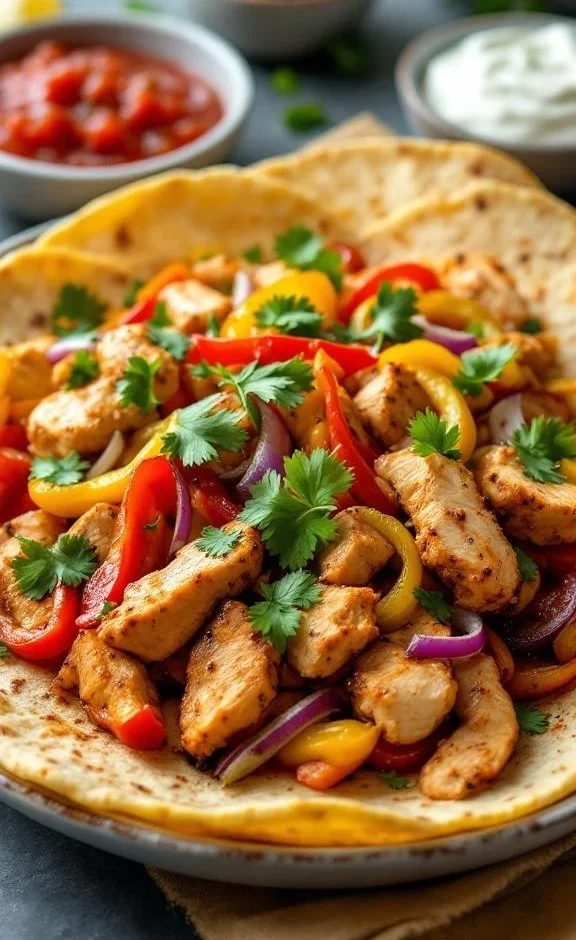
- Prep the Ingredients
Take your chicken breasts out of the refrigerator about 15 minutes before you plan to start cooking. Room temperature meat cooks more evenly than cold meat straight from the fridge. This prevents the outside from overcooking while the inside finishes.
Examine each chicken breast for any excess fat or tough white tendons. Trim these off with a sharp knife. While you don't need to be obsessive about it, removing obvious fat and tendons improves the texture of your finished chicken fajitas.
You can either cut the chicken into strips now or leave the breasts whole and shred them after cooking. I usually leave them whole because it's less work upfront and the chicken stays moister when cooked in larger pieces. Cutting into strips works too if you prefer, just reduce the cooking time by about an hour.
Slice your bell peppers in half and remove the stems, seeds, and white membranes. Cut each half into strips about a quarter inch wide. Uniform slices cook at the same rate and look more appealing. Don't make them too thin or they'll turn to mush during the long cooking time.
Peel your onion and cut it in half from root to tip. Place each half cut side down and slice into half moons about a quarter inch thick. Thinner slices disappear into the dish, which is fine if you want them to melt into the sauce. Thicker slices maintain more texture and presence.
Mince your garlic cloves finely. Larger pieces won't distribute their flavor as evenly. If you have a garlic press, use it. Pressed garlic breaks down more and releases more flavor into the dish. Some people argue about garlic press versus knife, but honestly, both work fine for this recipe.
- Season the Chicken
Place your chicken breasts in a large bowl. Drizzle the olive oil over the top. The oil helps the dry seasonings stick to the chicken and prevents them from just falling off into the slow cooker.
Sprinkle the fajita seasoning, salt, and pepper over the chicken. Use your hands to rub the seasonings all over each breast, making sure every surface gets coated. Really massage it in so the spices adhere properly. This hands on approach distributes seasonings way better than just tossing.
Add the minced garlic and squeeze the lime juice over the seasoned chicken. Toss everything together one more time. The lime juice will help tenderize the meat slightly and add brightness to the final dish. At this point, your chicken should look well coated and smell amazing.
You could theoretically let the seasoned chicken sit in the refrigerator for a few hours or overnight, creating a quick marinade. This would intensify the flavors even more. However, it's totally optional. Even without marinating time, these chicken fajitas taste great.
- Layer in the Slow Cooker
Place your seasoned chicken breasts at the bottom of the slow cooker. Arrange them in a single layer if possible, though slight overlap is fine. The chicken should be on the bottom because it's the densest item and takes the longest to cook through.
Scatter the sliced bell peppers over the chicken. Try to distribute the different colors somewhat evenly so everyone gets a variety in their serving. The peppers will shrink significantly as they cook, releasing their juices and adding flavor to the dish.
Add the sliced onions on top of the peppers. The onions will also shrink and soften, basically melting into the other ingredients. Their sharp flavor will mellow into sweetness during the long cooking process. This layering technique ensures everything cooks properly without needing to stir.
You don't need to add any liquid to the slow cooker. The chicken and vegetables release enough moisture during cooking to keep everything from drying out. Adding water or broth would dilute the concentrated flavors you're trying to build. Trust the process and leave it dry.
Put the lid on the slow cooker and make absolutely sure it's seated correctly. Any gaps let heat escape and extend your cooking time significantly. The seal is what traps moisture and heat, creating the perfect environment for tender chicken fajitas.
- Cook
Set your slow cooker to low if you're cooking for 6 to 8 hours, or high if you need dinner ready in 3 to 4 hours. Low and slow produces slightly more tender results, but high works great when you're short on time. Both methods create delicious chicken fajitas.
Walk away and resist the temptation to check on things for at least the first few hours. Every time you lift the lid, you release heat and add 20 to 30 minutes to the cooking time. The slow cooker knows what it's doing. Leave it alone.
After about 6 hours on low or 3 hours on high, you can start checking for doneness. The chicken should be cooked through and easily shreddable with a fork. The vegetables should be very soft and have released a surprising amount of liquid. The whole mixture should smell incredible.
Insert a meat thermometer into the thickest part of a chicken breast to verify it's reached at least 165°F. If you're not quite there yet, give it another 30 minutes to an hour. Better to check and put the lid back on than to serve undercooked chicken.
- Shred the Chicken
Once the chicken is fully cooked, carefully remove the breasts from the slow cooker using tongs or a slotted spoon. Place them on a cutting board or large plate. Let them rest for a minute or two. They'll be very hot and full of juice.
Use two forks to shred the chicken, pulling in opposite directions. The meat should come apart with minimal effort. Shred it into pieces roughly the size of your thumb. You want chunks that have substance and texture, not tiny confetti pieces.
Return the shredded chicken to the slow cooker and stir everything together. The chicken will absorb some of the liquid that accumulated during cooking, becoming even more flavorful. Mix thoroughly so the chicken and vegetables are evenly distributed.
Taste the mixture and adjust seasoning if needed. Sometimes it needs a pinch more salt or a squeeze of extra lime juice. This is your last chance to make adjustments before serving, so taste and tweak until it's perfect for your palate.
If there's excess liquid pooling in the bottom of the slow cooker, you can either drain some off or leave the lid off for 15 to 20 minutes to let it evaporate. Some people like their chicken fajitas saucier, others prefer them drier. Do what appeals to you.
- Serve
Warm your tortillas just before serving. You can heat them directly over a gas flame for a few seconds per side, in a dry skillet, or wrapped in foil in a 350°F oven for about 10 minutes. Warm tortillas are pliable and taste infinitely better than cold ones.
Set out all your toppings in small bowls so people can customize their chicken fajitas. This build your own approach makes everyone happy because they can include or skip whatever they want. It also makes serving easier because you're not trying to assemble everyone's fajitas yourself.
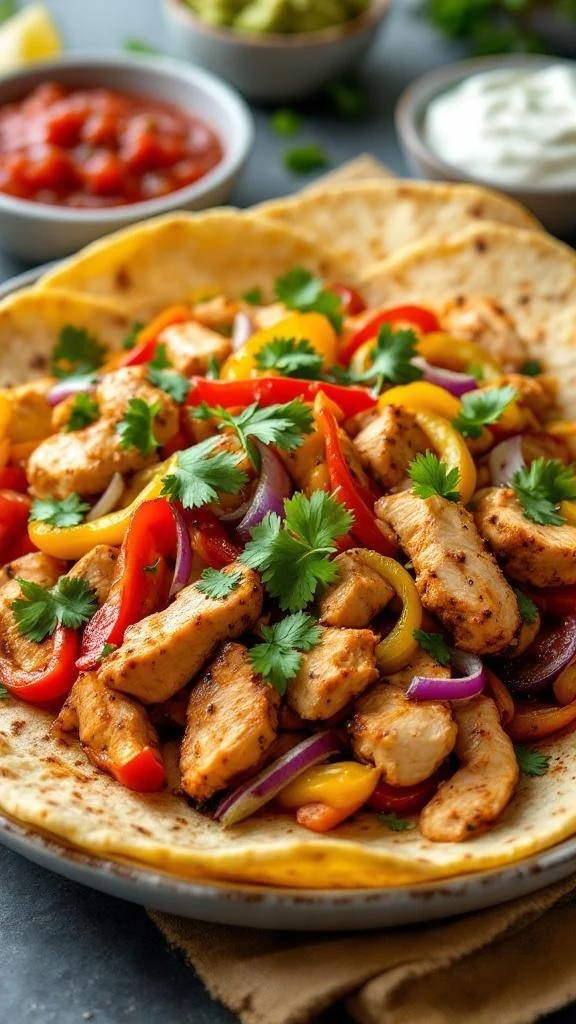
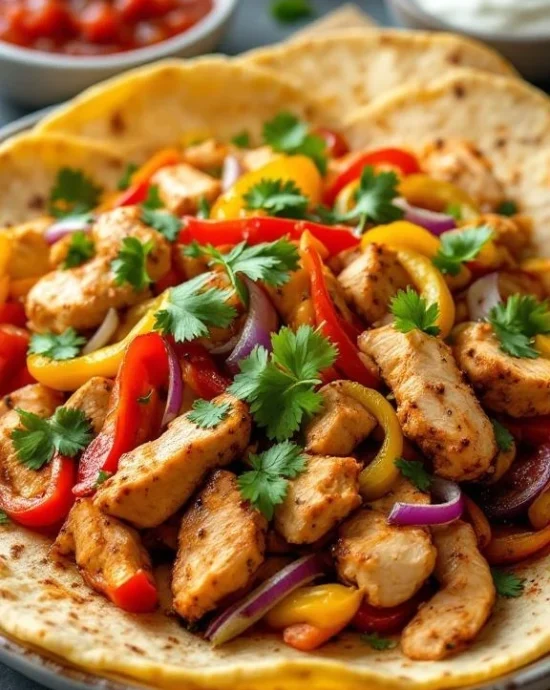
Spoon the chicken and vegetable mixture onto each tortilla. Don't overfill or you won't be able to fold and eat them properly. About a third to a half cup per tortilla is usually right. You want a generous portion but not so much that it all falls out.
Add your chosen toppings. Sour cream adds cooling creaminess. Cheese brings richness and saltiness. Guacamole or avocado contributes healthy fats and buttery texture. Salsa adds moisture and more flavor. Cilantro brings freshness. Lime juice brightens everything.
Fold the bottom of the tortilla up over the filling, then fold in the sides. This creates a pocket that contains most of the filling and makes eating easier. Some people prefer to leave their fajitas open faced, which is messier but also perfectly acceptable.
- Calories:250 kcals
- Fat:10 grams
- Proteins:30 grams
- Carbohydrates:15 grams
The Night I Discovered Fajita Freedom
Let me tell you about the Tuesday evening that changed my entire approach to weeknight dinners. I was standing in my kitchen at 5:45 PM, frantically chopping vegetables while simultaneously trying to cook chicken and prevent my toddler from emptying every cabinet. My partner walked in and asked what was for dinner. When I said fajitas, they looked at the chaos and suggested maybe we should just order pizza.
That’s when my neighbor knocked on the door to return a borrowed book. She took one look at my stressed face and kitchen disaster zone, then said something that stuck with me: “Why are you making fajitas the hard way? Just throw everything in your slow cooker this morning.” I stood there, spatula in hand, realizing I’d been making my life unnecessarily difficult for years.
The next morning, I gave it a try. Fifteen minutes of prep before work, then I walked away. Eight hours later, I came home to a house that smelled like a Mexican restaurant and dinner that was basically already done. These slow cooker chicken fajitas have become my weekly sanity saver, and I’m going to show you exactly how simple they really are.
Understanding Tex Mex vs Mexican Cuisine
Fajitas are actually Tex Mex, not traditional Mexican food. They originated in Texas in the 1930s or 40s, created by Mexican ranch workers using skirt steak, the least desirable cut they were given as part of their wages. The workers would grill the tough meat over open fires, slice it thin, and serve it on tortillas.
The word fajita comes from “faja,” meaning belt or sash, referring to the skirt steak’s location on the cow. As fajitas gained popularity, they evolved to include chicken, shrimp, and vegetables. The sizzling cast iron platter presentation became iconic in the 1980s when restaurants realized how much attention it attracted.
Traditional Mexican cuisine is quite different from Tex Mex. Mexican food uses more complex spice blends, different cooking techniques, and ingredients like epazote and Mexican oregano. Tex Mex tends to be bolder, heavier on cheese and sour cream, and adapted to American tastes.
There’s nothing wrong with Tex Mex food. It’s delicious in its own right and doesn’t pretend to be authentic Mexican cuisine. Chicken fajitas fall firmly in the Tex Mex category, and that’s perfectly fine. Enjoy them for what they are: a tasty fusion that combines the best of both culinary traditions.
The Science of Slow Cooking Chicken
Chicken breast is mostly protein with very little fat or connective tissue. This is why it dries out so easily when cooked with high heat or for too long. The proteins contract and squeeze out moisture, leaving you with dry, stringy meat that’s hard to chew.
Slow cooking at low temperatures keeps proteins from contracting too much. The gentle heat allows the chicken to cook through without losing excessive moisture. The humid environment inside the slow cooker also helps, as steam keeps the surface from drying out.
Cooking chicken to exactly 165°F is important for food safety. This temperature kills any harmful bacteria that might be present. In a slow cooker, the meat usually reaches this temperature after about 3 to 4 hours on high or 6 to 7 hours on low, depending on the thickness of the breasts.
However, chicken that’s cooked to exactly 165°F can still be a bit tough. Cooking it slightly longer, up to 170°F or 175°F, makes it more tender and easier to shred. This extra time breaks down the protein structure further without significantly drying out the meat, thanks to the slow cooker’s moist environment.
The vegetables release their own juices as they cook, adding to the liquid in the slow cooker. This liquid becomes infused with all the seasonings and creates a flavorful sauce that keeps the chicken moist. By the end of cooking, everything has exchanged flavors and tastes cohesive.
Common Mistakes That Ruin Fajitas
Using frozen chicken without thawing creates uneven cooking. The outside cooks while the inside stays frozen, extending cooking time and potentially creating food safety issues. Always thaw chicken completely in the refrigerator before making chicken fajitas.
Cutting vegetables too thin means they’ll disintegrate during the long cooking time. You want them soft but still identifiable as peppers and onions. Quarter inch thick slices are about right. Anything thinner turns to mush.
Adding too much liquid dilutes all the concentrated flavors you’re trying to build. The chicken and vegetables release plenty of moisture on their own. Unless your recipe specifically calls for broth, don’t add any. Trust that it’ll be moist enough.
Underseasoning the chicken before cooking creates bland fajitas that no amount of toppings can save. The seasoning needs to penetrate the meat itself. Be generous with your fajita seasoning and don’t be afraid to use the full amount called for.
Opening the slow cooker repeatedly to check on things extends cooking time and releases moisture. Exercise patience and leave it alone until the minimum cooking time has passed. Your slow cooker doesn’t need supervision.
Serving cold tortillas makes the whole experience less enjoyable. Cold tortillas are stiff and tear easily. Warm tortillas are soft, pliable, and taste better. Take two minutes to heat them properly and your chicken fajitas will be significantly better.
Storage and Meal Prep Heaven
Chicken fajitas keep beautifully in the refrigerator for up to 4 days. Store the chicken and vegetable mixture in an airtight container. Keep tortillas and toppings separate so they stay fresh. The filling actually tastes better after a day as the flavors continue developing.
Reheat portions in the microwave for 1 to 2 minutes, stirring halfway through. You can also reheat in a skillet over medium heat, which brings back some of the texture lost during refrigeration. Add a splash of water if the mixture seems dry.
For meal prep, I portion the filling into individual containers on Sunday. Grab one each day for lunch with a couple of tortillas and your preferred toppings. This is so much better than sad desk salads and costs way less than buying lunch out.
Freezing works well for the chicken and vegetable mixture. Portion into freezer safe containers or bags, press out excess air, and freeze for up to 3 months. Thaw overnight in the refrigerator before reheating. The texture changes slightly but it’s still delicious.
Don’t freeze assembled fajitas or tortillas by themselves. The tortillas get weird and soggy when thawed. Only freeze the filling, then use fresh tortillas when you’re ready to eat. This keeps everything tasting as good as possible.
The leftover filling has endless uses beyond fajitas. Add it to scrambled eggs for breakfast. Top a salad with it. Stuff it into quesadillas. Mix it with rice for burrito bowls. The possibilities are limited only by your imagination.
Flavor Profile That Hooks Everyone
The first thing you notice in well made chicken fajitas is the balance between smoky, earthy spices and bright citrus. The cumin and chili powder create that characteristic Tex Mex warmth without actual heat. The lime juice cuts through with its tart freshness, preventing the dish from feeling heavy.
Tender chicken absorbs all the seasonings and tastes savory with subtle complexity. It’s not bland like plain chicken but not overwhelmingly spiced either. The meat texture should be pull apart tender, easy to chew, and moist from cooking in its own juices.
Sweet bell peppers bring a vegetal quality and slight crunch if you don’t overcook them. Each color contributes its own subtle flavor variation. The sweetness balances the savory chicken and provides textural contrast.
Onions add a mellow, almost sweet quality after cooking for hours. That sharp, raw onion bite completely disappears, replaced by soft, caramelized sweetness. The onions basically melt into the other ingredients, adding depth without being identifiable in every bite.
Fresh toppings like cilantro, lime, and salsa add brightness and crunch that contrast with the tender filling. Creamy elements like sour cream and avocado provide cooling richness. Cheese adds saltiness and another creamy component. The interplay of all these elements is what makes chicken fajitas so satisfying.
Serving Suggestions Beyond Basic Fajitas
Fajita bowls skip the tortillas entirely and serve everything over rice or cauliflower rice. Layer rice in a bowl, top with the chicken and vegetable mixture, then add all your favorite toppings. This is perfect for people avoiding bread or wanting a more substantial meal.
Fajita quesadillas use the filling as a base for crispy, cheesy quesadillas. Spread some filling on a tortilla, add shredded cheese, top with another tortilla, and cook in a skillet until golden and crispy. Cut into wedges and serve with sour cream and salsa.
Fajita nachos turn tortilla chips into an incredible appetizer or meal. Layer chips with the chicken and vegetable mixture, cheese, jalapeños, and any other desired toppings. Bake until the cheese melts. Top with sour cream, guacamole, and salsa.
Fajita salad puts the filling on top of mixed greens for a lighter option. The warm chicken and vegetables slightly wilt the lettuce in a pleasant way. Add beans, corn, cheese, and your favorite dressing. This is my go to lunch when I want something healthy but satisfying.
Fajita stuffed peppers hollow out bell peppers and fill them with the chicken mixture and rice. Top with cheese and bake until the peppers are tender. This presentation looks impressive and contains everything in an edible vessel.
Breakfast fajitas scramble the filling with eggs for an amazing breakfast or brunch. The savory, slightly spicy flavors work beautifully with eggs. Serve in tortillas with hot sauce and cheese for a breakfast that’ll keep you full for hours.
Seasonal and Regional Variations
Summer fajitas use fresh vegetables from the farmers market. Add zucchini, summer squash, and fresh corn for seasonal variation. The extra vegetables add bulk and nutrition while keeping things light and fresh. Fresh tomatoes and cilantro from your garden make toppings even better.
Fall and winter versions add butternut squash or sweet potato for heartier fare. These vegetables stand up well to long cooking and add sweetness that complements the savory chicken. Serve with black beans and Mexican rice for a complete cold weather meal.
Southwestern style adds black beans, corn, and green chiles directly to the slow cooker. This creates a more complete meal with extra protein and fiber. The green chiles add mild heat and authentic New Mexican flavor.
Caribbean fusion incorporates pineapple, mango, and jerk seasoning for tropical flair. The fruit’s sweetness plays beautifully against the savory chicken. Use jerk seasoning instead of fajita seasoning for an island inspired twist on traditional chicken fajitas.
Some regions prefer flour tortillas while others insist on corn. Flour tortillas are softer and more pliable. Corn tortillas have more authentic flavor and work better for gluten free diets. Use whatever your family prefers or offer both options.
Making Your Own Fajita Seasoning
Store bought fajita seasoning is convenient, but making your own gives you control over flavors and avoids additives. Plus it’s incredibly easy. Combine 1 tablespoon chili powder, 2 teaspoons cumin, 1 teaspoon paprika, 1 teaspoon garlic powder, 1 teaspoon onion powder, 1/2 teaspoon oregano, 1/2 teaspoon salt, and 1/4 teaspoon cayenne if you want heat.
Mix all the spices together in a small bowl. This makes about 3 tablespoons, which is exactly what you need for this chicken fajitas recipe. Double or triple the batch and store in an airtight container for future use.
Toasting whole spices before grinding creates deeper, more complex flavors. Toast cumin seeds and peppercorns in a dry skillet until fragrant, then grind in a spice grinder or mortar and pestle. This extra step elevates homemade fajita seasoning significantly.
Adjust the blend to your preferences. Like it spicier, Add more cayenne or include red pepper flakes. Want it smokier, Use smoked paprika instead of regular. Prefer more citrus notes, Add some dried lime or lemon peel. Make it yours.
Homemade seasoning has no fillers, anti caking agents, or preservatives. It’s just pure spices at their freshest. The flavor difference is noticeable, especially if your store bought seasoning has been sitting in your cabinet for a year.
Understanding Different Cooking Methods
Traditional fajitas are cooked quickly over high heat, either grilled or pan seared. This creates charred edges and a slightly crispy texture. The meat is sliced thin and cooked for just a few minutes. This method produces a different texture than slow cooked chicken fajitas.
The slow cooker method sacrifices char and crispy edges for ultimate convenience and tenderness. You won’t get that grilled flavor, but you will get incredibly tender meat that’s infused with seasonings. For busy people, this trade off is absolutely worth it.
You can try to add some char after slow cooking by quickly broiling or pan searing the shredded chicken. Spread it on a baking sheet and broil for 3 to 5 minutes until some edges crisp up. This gives you the best of both worlds: tender interior with crispy bits.
Instant Pot fajitas are another option that cooks faster than the slow cooker but still produces tender results. Pressure cook on high for 10 to 15 minutes, then quick release. The texture is similar to slow cooked but you sacrifice some depth of flavor.
Sheet pan fajitas roast everything in the oven at high heat for about 25 minutes. This creates more caramelization and char but requires more active cooking time. Choose your method based on your schedule and texture preferences.
Equipment That Improves Results
A six quart slow cooker is ideal for this recipe. Smaller sizes work if you reduce the quantities. Larger ones are fine though ingredients might cook slightly faster because they’re more spread out. Programmable models that switch to warm after cooking prevent overcooking if you’re running late.
A sharp chef’s knife makes slicing peppers and onions much faster and safer. Dull knives slip and cause more injuries than sharp ones. Keep your knife sharp and your fingers will thank you. A good knife is one of the best kitchen investments you can make.
Kitchen shears are handy for trimming chicken and cutting tortillas. They’re often more efficient than a knife for certain tasks. I use mine almost daily and wonder how I ever lived without them.
Tongs help with handling hot chicken when you’re shredding it. Long handled tongs keep your hands away from heat. Spring loaded tongs are easier to use than scissor style. Choose ones that feel comfortable in your hand.
A meat thermometer takes the guesswork out of doneness. Chicken needs to reach 165°F to be safe. Digital instant read thermometers are fast and accurate. This is especially useful when you’re new to slow cooking chicken fajitas.
Tortilla warmer keeps tortillas soft and warm at the table. These are usually insulated fabric pouches or plastic containers. Alternatively, wrap tortillas in a clean dish towel and place in a covered bowl. This prevents them from drying out during dinner.
Troubleshooting Fajita Problems
Dry chicken means you cooked it too long or your slow cooker runs hot. Next time, check for doneness an hour earlier than the recipe suggests. You can also use chicken thighs instead of breasts since they’re more forgiving.
Mushy vegetables happen when they cook too long or are sliced too thin. Reduce cooking time by an hour or cut vegetables in thicker slices. Some people prefer softer vegetables, so this might not be a problem for everyone.
Bland flavor suggests underseasoning before cooking. You can’t really fix this after the fact. Season more generously next time. Remember that a lot of the seasoning stays in the cooking liquid rather than on the meat.
Too much liquid in the slow cooker means the chicken and vegetables released more moisture than expected. Leave the lid off for 15 to 20 minutes to let some evaporate. Or drain off excess and use it as a flavorful base for soup or rice.
Chicken that won’t shred easily isn’t cooked enough yet. It should fall apart with minimal effort when done. Give it another 30 minutes to an hour. Different slow cookers and chicken breast sizes affect cooking time.
Tough, rubbery chicken texture suggests cooking at too high a temperature or not long enough. Slow and low is the key to tender chicken fajitas. Check your slow cooker’s temperature calibration if this happens repeatedly.
Wine and Beer Pairings
Mexican beer is the obvious choice and pairs beautifully with chicken fajitas. Light lagers like Corona, Modelo, or Pacifico are refreshing and won’t overwhelm the food. The crisp, clean flavor cleanses your palate between bites. Serve with a lime wedge for tradition.
Margaritas are classic and for good reason. The tequila and lime complement the citrus in the fajitas. Keep them simple without a lot of sweet mixers. A well made margarita with fresh lime juice is perfection with this meal.
For wine, choose something crisp and refreshing. Albariño from Spain has citrus and stone fruit notes that work well. Sauvignon Blanc brings grassy, herbal qualities that complement the vegetables. Avoid anything too oaky or heavy.
Sparkling water with lime offers refreshing hydration without competing with the food. The bubbles cleanse your palate and the lime ties into the flavors already present in the chicken fajitas. Sometimes simple is best.
Horchata provides a sweet, creamy non alcoholic option. This Mexican rice drink flavored with cinnamon has a cooling effect that balances any spice. It’s particularly good if you’ve added extra heat to your fajitas.
Fresh limeade or lemonade brings bright citrus that echoes the lime in the dish. Not too sweet works best. The acidity cuts through the richness and keeps your palate fresh.
Making Fajitas Kid Friendly
Most kids love the build your own aspect of chicken fajitas. They can control exactly what goes into their tortilla, which gives them ownership and makes them more likely to eat. Set out toppings and let them create their perfect fajita.
Reduce or omit spicy elements if your kids are sensitive. Use mild fajita seasoning or make your own without cayenne. Kids’ palates are more sensitive to spice than adults’, so what seems mild to you might be too hot for them.
Cut the chicken into smaller pieces if you’re serving young children. Easier to chew pieces are safer and less intimidating. You want them to enjoy the meal, not struggle with large chunks of meat.
Serve cheese quesadillas alongside fajitas for very picky eaters. They still participate in the meal but have a familiar backup option. Sometimes just being at the table eating something similar is enough.
Let kids help with age appropriate tasks like washing vegetables, measuring spices, or arranging toppings. Children are more excited about food they helped prepare. Even small contributions give them a sense of pride.
My Final Thoughts on This Recipe
After making slow cooker chicken fajitas countless times, I’ve come to view this as one of the most practical recipes in my arsenal. The active work is minimal, maybe fifteen minutes total. The slow cooker does all the heavy lifting while you’re at work or running errands.
The versatility keeps this recipe in regular rotation. Basic fajitas one night, bowls the next day, quesadillas after that. The same batch of filling transforms into different meals, preventing boredom while minimizing food waste.
What I appreciate most is how this recipe makes weeknight cooking feel manageable rather than stressful. Coming home to dinner that’s essentially done removes so much pressure. You can actually enjoy your evening instead of spending it frantically cooking.
The customizable nature makes everyone happy. Picky eaters can stick to plain chicken and cheese. Adventurous eaters can load up on all the toppings. Everyone gets what they want without making multiple different dinners.
Making chicken fajitas at home costs a fraction of restaurant prices. A whole meal for six people costs maybe fifteen dollars in ingredients. That same meal at a restaurant would easily be fifty dollars or more. The savings add up quickly when you make this regularly.
So dig out that slow cooker and give this a try. Morning you does fifteen minutes of work, evening you gets to enjoy delicious dinner with minimal effort. That’s the kind of cooking hack that makes life genuinely easier. Your future self will thank you for discovering slow cooker chicken fajitas.