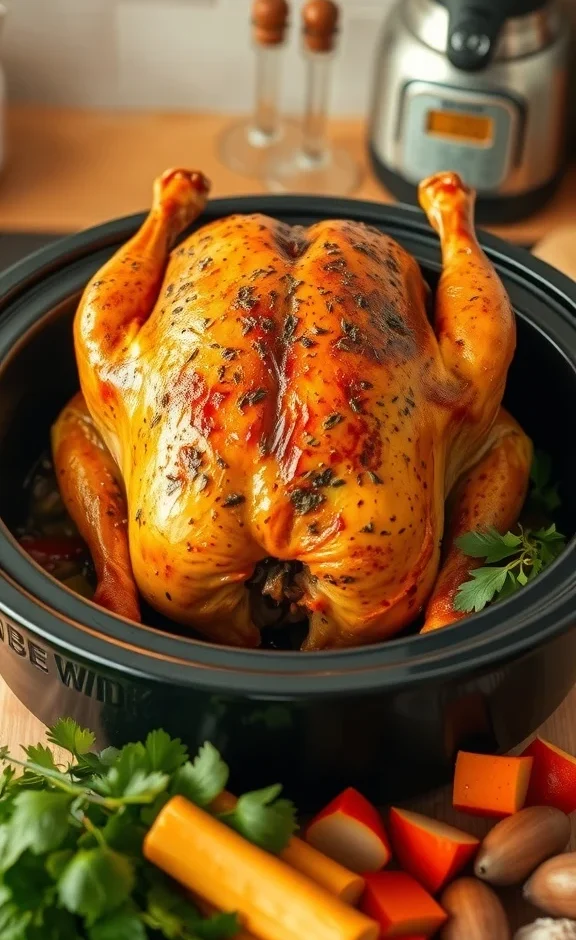
- Prepare the Chicken
Unwrap your chicken and immediately locate the giblets, that little package of organs stuffed inside like a surprise nobody wanted. Check both the main body cavity and the smaller neck cavity because sometimes they hide giblet packets in both spots. Remove them and either toss them or save for making stock later (look at you being all resourceful).
Now grab your paper towels and get ready for some quality patting time. Dry the outside of the chicken thoroughly, getting into all the nooks and crannies where skin meets skin. Flip it over and dry the back too because every surface matters. Then reach inside the cavity and dry it out as well. The drier your chicken, the better the seasoning will stick and the more likely you are to get some decent color on that skin.
Take a moment to appreciate that you're about to transform this naked, raw bird into something absolutely delicious. Give yourself a little pep talk if needed. You've got this. It's just a chicken, and you're about to show it who's boss.
- Season the Chicken
Grab a small bowl and dump in your salt, pepper, garlic powder, onion powder, paprika, and thyme. Mix everything together with a fork or your finger, creating a magical seasoning blend that would make those expensive spice mixes jealous. Take a sniff because it smells amazing and you deserve to enjoy the aromatics.
Now comes the fun part: rubbing that seasoning all over your chicken like you're giving it the world's most thorough spa treatment. Sprinkle it generously over the entire outside surface, using your hands to really work it into the skin. Get it everywhere, the breast, the thighs, the wings, the back (which everyone forgets). Press it in so it adheres rather than just sitting on top looking pretty.
Don't forget to season inside the cavity too. Reach in there and sprinkle some of your spice blend around the interior. This seasons the meat from the inside out, creating layers of flavor that'll make people wonder what your secret is. Your secret is being thorough, but you don't have to tell them that.
If you've got any seasoning left over, just sprinkle it wherever you think needs more. There's no such thing as over-seasoning a slow cooker chicken because you're not eating the skin anyway (okay, you totally are, no judgment). Get liberal with it and own your flavor choices.
- Stuff the Chicken
ake one of your lemon halves and squeeze it slightly over and into the cavity, then stuff it inside. The citrus is going to steam from within, infusing the meat with brightness while keeping everything moist. It's like an internal humidifier made of fruit.
Grab your smashed garlic cloves (you did smash them, right? If not, do that now with the flat side of your knife) and stuff those in the cavity too. They'll roast slowly, becoming sweet and mellow while perfuming the chicken with that unmistakable garlic goodness. If you're a garlic fiend, throw in more. Your life, your rules.
Squeeze that second lemon half all over the outside of the chicken, rubbing the juice into the seasoned skin. This adds another layer of brightness and helps the seasonings stick even better. Then toss the squeezed lemon half in the cavity too because waste not, want not, and it'll contribute flavor while cooking.
- Prepare the Slow Cooker
Quarter your onion into four big chunks, don't bother peeling off all the layers or cutting them perfectly. This isn't a beauty contest, it's dinner. Arrange those onion quarters across the bottom of your slow cooker, creating a flavorful raft for your chicken to sit on.
If you're using foil balls (and you should), place those under the onions first, then nestle the onions around them. This creates elevation and airflow, which sounds fancy but really just means your chicken won't get a soggy bottom. Architecture matters, even in slow cookers.
If you want to throw in some extra vegetables like carrots, celery, or potatoes, now's the time. Tuck them around the sides where they'll cook slowly alongside the chicken, absorbing all those delicious drippings. This isn't necessary but it's a nice way to create a complete meal with minimal extra effort.
- Cook the Chicken
Take a deep breath and admire your beautifully seasoned, stuffed chicken sitting majestically in the slow cooker. Take a picture if you want, because it's about to transform into something even better.
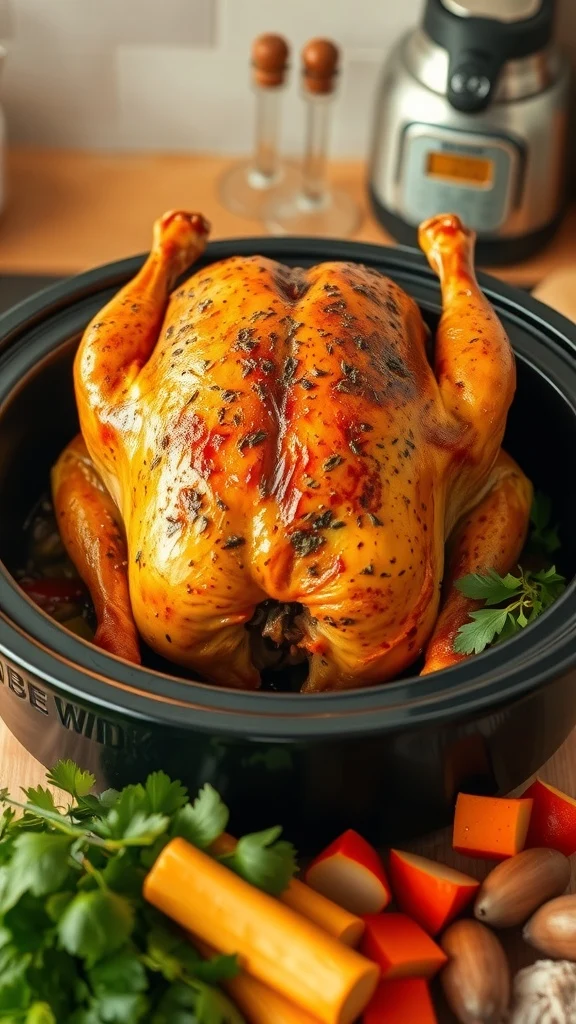
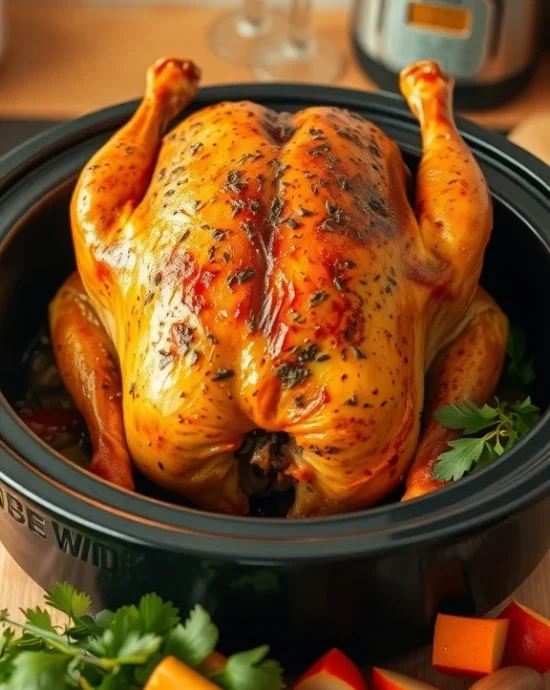
Carefully place the seasoned chicken breast-side up on top of those onions. Nestle it down slightly so it sits stable and won't tip over during cooking. If your chicken is doing a weird leaning tower of Pisa impression, readjust the onions underneath until it sits relatively straight.
Put the lid on your slow cooker firmly, making sure it's seated correctly all the way around. Set it to LOW (not high, we're going for tender and juicy, not fast and dry), and set a timer for 6 hours if you're using a smaller chicken or 8 hours for a bigger bird.
Now comes the hardest part: walking away and leaving it alone. No peeking, no lifting the lid to check on it, no obsessively hovering. Go live your life. Run errands, work from home, binge your show, take a nap, whatever you need to do. Your slow cooker is handling business while you handle yours.
The house will start smelling incredible around hour three. This is normal and expected. Neighbors might start finding excuses to drop by. Also normal. The smell of a slow-cooking chicken is basically an invitation written in aromatic molecules.
- Finish and Serve
When your timer finally goes off (and it will feel like forever but also somehow too soon), remove the lid and prepare yourself for the most glorious sight. Your chicken should be golden brown, glistening with its own juices, and looking absolutely magnificent. If it doesn't look perfect, don't worry, it's going to taste perfect anyway.
Carefully remove the chicken using those sturdy tongs we talked about. It's going to be fall-apart tender, so handle it gently like you're rescuing a very delicious baby bird from a pot. Transfer it to a cutting board or serving platter and resist every urge to start pulling at it immediately.
Let it rest for 10 to 15 minutes, and yes, I know this is torture when it smells that good. This resting time lets the juices redistribute throughout the meat instead of running all over your cutting board the second you start carving. Patience is a virtue, especially when it results in juicier chicken.
While it's resting, look at that gorgeous liquid left in your slow cooker. That's not just liquid, that's liquid gold full of chicken flavor, herbs, and all the good stuff. Strain it through a fine-mesh sieve, skim off some of the fat if you want (or don't, fat is flavor), and use it as gravy or save it for cooking rice or making soup later.
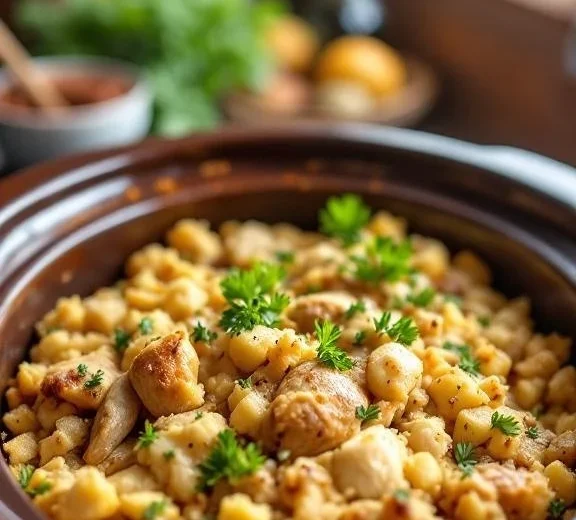
Carve your chicken however you like: traditional slices, rough shreds, or just straight-up pulling it apart with your hands like a medieval feast. There's no wrong way to dismantle a slow cooker chicken. Serve it however makes you happy, garnish with fresh herbs if you're feeling fancy, and prepare for the compliments.
- Calories:350 kcals
- Fat:20 grams
- Proteins:30 grams
- Carbohydrates:2 grams
Look, this slow cooker whole chicken recipe is about to become your secret weapon for looking like you’ve got your life together when you absolutely don’t. Picture this: you toss a chicken in your slow cooker in the morning while you’re still half asleep, go about your chaotic day, and come home to a house that smells like a professional chef lives there. Meanwhile, your biggest accomplishment today was remembering to wear matching socks.
You know that magical moment when you walk into someone’s home and it smells so good you immediately wonder if you’ve been adopted? That’s what this recipe does for YOUR house. We’re talking about a whole chicken that’s so tender it practically falls off the bone when you give it a stern look, with skin that’s golden and gorgeous, sitting there waiting to make you look like a domestic hero.
The best part is how stupidly simple this whole thing is. If you can open a slow cooker lid, rub some spices on a chicken, and set a timer, congratulations! You’re qualified. There’s no fancy technique, no culinary school required, no judgment if you’re wearing pajamas at 3 PM on a Tuesday. Just you, a chicken, and your trusty slow cooker working together in beautiful harmony.
Why This Recipe Will Revolutionize Your Dinner Game
Let’s have a heart-to-heart about whole chickens for a second. Buying a rotisserie chicken from the store is fine, nobody’s judging (okay, maybe your grandmother is judging a little), but you’re paying extra for convenience. When you cook a whole chicken at home, you’re getting way more bang for your buck, plus you control what goes into it. No mystery ingredients, no weird chemicals, just chicken and whatever seasonings you decide it deserves.
What makes this slow cooker method absolutely genius is how it takes all the stress out of roasting a chicken. No preheating ovens to nuclear temperatures, no basting every twenty minutes like you’re some kind of poultry butler, no panic about whether the inside is cooked while the outside is turning into chicken jerky. Your slow cooker handles everything with the patience of a saint while you binge-watch that show everyone keeps telling you about.
The flavor development happening in that slow cooker is basically magic wrapped in science. Those herbs and spices you rub all over the bird? They’re not just sitting there looking pretty. Over those six to eight hours, they’re penetrating deep into the meat, creating layers of flavor that make every bite interesting. That lemon and garlic stuffed in the cavity are steaming from the inside out, infusing moisture and brightness into meat that’s already becoming fall-apart tender.
Slow cooking in this method creates something special that regular roasting can’t quite achieve. The low, gentle heat breaks down all the tough bits without drying out the meat, while the enclosed environment traps moisture like a cozy chicken sauna. You end up with meat so juicy and tender that even your picky eater cousin who “doesn’t really like chicken” will go back for seconds.
The versatility of this recipe deserves a standing ovation because one chicken becomes approximately seven hundred different meals. Eat it fresh for dinner, shred the leftovers for sandwiches tomorrow, toss some in a salad for lunch, make chicken tacos on Thursday, and boil up those bones for homemade stock. You’ve basically unlocked the cheat code for meal planning without even trying.
The Surprisingly Fascinating History of Slow Cooker Chickens
Here’s something that’ll make you sound smart at dinner parties: humans have been slow-cooking chickens for literally thousands of years. Obviously not in Crock-Pots (those came along in the 1970s), but the concept of low-and-slow cooking has been around since people figured out that tough meat gets tender when you don’t rush it. Ancient cooks would bury pots in coals or hang them over barely-there fires, basically pioneering the whole “set it and forget it” philosophy.
My personal slow cooker chicken awakening happened during a particularly broke month in college when I realized I’d been spending stupid money on pre-cooked chicken. My roommate’s mom sent her a slow cooker (along with a care package that made me jealous), and we decided to throw a whole chicken in there with literally whatever spices were in our cabinet. Eight hours later, we felt like we’d discovered electricity. That chicken fed us for three days and cost maybe eight dollars.
The modern slow cooker revolution really took off when people started realizing they could make restaurant-quality food without actually being home to cook it. Working parents especially embraced this technology like it was a gift from the gods of convenience. Throw ingredients in before work, come home to dinner that’s ready, spend actual time with your family instead of frantically chopping vegetables while everyone asks when food will be ready.
Whole chickens in slow cookers became a thing because someone, somewhere realized that the shape of a chicken fits perfectly in most slow cooker wells. It’s like they were made for each other, a match arranged by the kitchen gods. The chicken sits up nicely, cooks evenly, and doesn’t require any weird maneuvering or cutting to fit. Sometimes the universe just aligns perfectly.
Traditional oven-roasted chicken is delicious, nobody’s arguing with that, but it requires attention and precision that not everyone has time for on a random Wednesday. Slow cooker chicken says “hey, I know you’re busy and maybe a little scattered, and I’m here for you anyway.” It’s the supportive friend of cooking methods, never judging, always delivering.
Modern food science has explained why slow cooking works so well for tougher proteins. Collagen (that stuff that makes cheap cuts tough) needs time and gentle heat to break down into gelatin (the stuff that makes things tender and delicious). Your slow cooker provides exactly that environment, turning a whole chicken into something so tender that vegetarians might reconsider their life choices.
Essential Equipment & Kitchen Tips
Your Slow Cooker Setup
Creating perfect slow cooker whole chicken starts with making sure your slow cooker is actually big enough for a whole chicken. Most 6-quart or larger slow cookers handle a 4 to 5 pound bird beautifully, though it’ll look a bit cozy in there. If your slow cooker is smaller and your chicken is doing an impression of a jack-in-the-box, you might need to remove the legs or go with a smaller bird.
Slow cooker liners are the greatest invention since sliced bread, maybe even better. They turn cleanup from a thirty-minute scrubbing session into a five-second “toss it in the trash” situation. Some people get all purist about them, but those people apparently enjoy scrubbing pots more than the rest of us. Your call, but future you might thank present you for using that liner.
The lid situation matters more than you’d think. Every time you lift that lid to check on things, you’re releasing heat and moisture that takes forever to rebuild. Your slow cooker basically has to start over, extending cooking time and potentially affecting texture. Channel your inner zen master and leave it alone until the timer goes off.
Must-Have Tools
Paper towels become your best friend for patting that chicken dry. Wet chicken skin doesn’t crisp up or brown well, and it won’t hold seasoning effectively either. Use a whole wad of paper towels and really get in there, drying every surface you can reach including inside the cavity. Yes, it’s a bit gross. Welcome to cooking real food.
Tongs with a good grip are essential for removing your cooked chicken without it falling apart mid-transfer. The meat will be so tender that rough handling can cause it to separate, and fishing chicken pieces out of hot liquid is nobody’s idea of a good time. Invest in sturdy, spring-loaded tongs that lock closed for storage.
A meat thermometer eliminates all guesswork about whether your chicken is actually done. The thickest part of the thigh should hit 165°F for food safety, though honestly, by the time slow cooker chicken cooks for six-plus hours, it’s definitely done. Still, better safe than serving raw chicken to your dinner guests and becoming a cautionary tale.
Pro Preparation Secrets
Room temperature chicken cooks more evenly than one straight from the fridge. Pull your bird out about 30 minutes before you’re ready to start, letting it lose that refrigerator chill. This prevents the outside from overcooking while the inside struggles to catch up.
Removing the giblets seems obvious but people forget and then wonder why there’s a weird bag of organs in their cooked chicken. Check both the main cavity and the neck cavity, remove anything that’s not supposed to be there, and either discard or save for stock if you’re fancy like that.
Creating aluminum foil balls to elevate the chicken slightly is an old trick that helps with even cooking and prevents the bottom from getting soggy. Just crumple up three or four balls and place them under the onions. The chicken sits higher, air circulates better, and you feel like a culinary genius for knowing this hack.
Pro Chef Secrets & Advanced Techniques
Understanding Slow Cooker Science (Without the Boring Bits)
The magic happening in your slow cooker isn’t just about time, it’s about temperature and moisture working together like a perfectly choreographed dance. Your slow cooker maintains a temperature between 190°F and 210°F on low, which is the sweet spot for breaking down collagen into gelatin without drying out the meat. It’s basically the Goldilocks zone of cooking temperatures.
Chicken skin in a slow cooker will never get crispy like oven-roasted chicken, and that’s okay because we’re optimizing for incredibly tender, juicy meat instead. If you desperately need crispy skin (no judgment), you can broil the cooked chicken for a few minutes, but honestly, the trade-off for that fall-apart tenderness is totally worth slightly soft skin.
The aromatics stuffed inside aren’t just for show. As the chicken cooks, moisture inside the cavity turns to steam, and that steam is infused with lemon and garlic. This steam has nowhere to go except into the meat, essentially self-basting from the inside out. It’s like the chicken is giving itself a flavor facial from within.
Master-Level Flavor Building
Browning the chicken before slow cooking adds another dimension of flavor through the Maillard reaction, though it’s totally optional. Heat a large skillet until smoking hot, sear each side of your seasoned chicken for 2 to 3 minutes until golden. This creates a flavorful crust, but it also creates an extra dirty pan, so decide if the extra effort is worth it for you.
Herb butter under the skin is a restaurant trick that makes people think you went to culinary school. Mix soft butter with minced garlic and herbs, carefully separate the skin from the breast meat (slide your fingers under gently), and spread that flavored butter directly on the meat. As it cooks, that butter bastes the meat from between the skin layers. Fancy!
Adding liquid smoke (just a few drops) to your seasoning blend creates a subtle smokiness that tricks people into thinking you somehow smoked a chicken in your slow cooker. Use it sparingly because it’s potent, but it adds interesting depth that makes people ask questions you’ll have fun answering mysteriously.
Slow Cooker Optimization Tips
Filling level in your slow cooker affects how evenly things cook. Ideally, your chicken should fill about two-thirds of the space. Too empty and heat circulates weirdly, too full and steam can’t move properly. This recipe hits that sweet spot naturally, which is part of why it works so well.
Resist adding extra liquid beyond what the recipe calls for. Chickens release their own juices during cooking, vegetables release moisture, and your slow cooker traps every drop of steam. If you add extra liquid thinking you’re helping, you’ll end up with more of a poached chicken swimming in broth. Trust the process and the natural moisture that develops.
Common Mistakes to Avoid (Learn from My Failures!)
The Temperature Catastrophe
Cooking on high instead of low seems like a good way to save time, but it creates tough, dry chicken instead of that tender perfection we’re after. High heat cooks the exterior faster than the interior, and collagen doesn’t have enough time to break down properly. Just commit to low heat and accept that good things take time.
Checking on the chicken constantly by lifting the lid releases all that carefully trapped heat and moisture. Your slow cooker takes forever to recover from each peek, extending cooking time unpredictably. Set it, forget it, and trust that your slow cooker knows what it’s doing. It’s been doing this since the ’70s.
Size Matters
Using a chicken that’s way too big for your slow cooker creates uneven cooking and potential food safety issues. If you have to force the lid closed or your chicken is touching the sides all around, it’s too big. Go with a smaller bird or accept that you need a bigger slow cooker.
Conversely, cooking a tiny chicken in a massive slow cooker means it cooks too quickly and can dry out. Match your chicken size to your slow cooker size, or adjust cooking time accordingly. A 3-pound chicken in a 7-quart cooker might only need 4 to 5 hours instead of 6 to 8.
Seasoning Slip-Ups
Under-seasoning a whole chicken is easy to do because it’s a lot of surface area to cover. Be generous with your spice blend and make sure you’re getting it everywhere, including the back and inside the cavity. Remember, some of that seasoning will drip off during cooking, so extra now means adequate later.
Forgetting to dry the chicken first means your beautiful seasoning slides right off into a puddle at the bottom of the slow cooker. Pat it thoroughly dry with paper towels before seasoning, even if it seems excessive. Dry skin holds seasoning, wet skin rejects it like a bouncer at an exclusive club.
Serving Disasters
Trying to carve the chicken while it’s screaming hot leads to burnt fingers and meat that’s impossible to cut neatly because juices are still actively moving around inside. Give it that 10 to 15 minute rest even though waiting is hard. Pour yourself a drink, set the table, do anything to occupy yourself during the rest period.
Throwing away that flavorful liquid in the slow cooker is basically throwing away free flavor. Save it for cooking rice, making gravy, or starting soup. Strain it, store it in the fridge for up to three days or freeze it for later. Your future self will thank you when you need to add richness to literally anything.
Alternatives & Substitutions (When Plans Change)
Spice Blend Variations
Italian seasoning works beautifully if you want to skip measuring individual herbs. Use about 2 tablespoons of Italian seasoning instead of the thyme and paprika, adding more garlic powder and onion powder if you’re into that. The result is a more Mediterranean vibe that’s equally delicious.
Cajun or Creole seasoning creates a completely different flavor profile that’s spicy and bold. Replace all the individual seasonings with 2 to 3 tablespoons of your favorite Cajun blend, adjust based on how much heat you can handle. This version is fantastic with rice and beans on the side.
Asian-inspired flavors work surprisingly well too. Try five-spice powder, ginger, and soy sauce rubbed on the outside, with ginger and scallions stuffed inside instead of lemon and garlic. The result is something completely different but equally amazing.
Vegetable Variations
Root vegetables like carrots, parsnips, and potatoes can join the onions at the bottom, cooking slowly alongside the chicken and soaking up all those delicious juices. Cut them into larger chunks so they don’t turn to mush during the long cooking time. You’ve just created a complete meal with practically zero extra effort.
Brussels sprouts added during the last hour of cooking (just lift the lid quickly, toss them in, close it again) turn into these incredible little flavor bombs. They get tender without falling apart and absorb chicken goodness like tiny green sponges.
Garlic lovers can double, triple, or even quadruple the garlic without consequence. Add whole cloves around the chicken, stuff more inside, rub garlic powder everywhere. There’s no such thing as too much garlic in slow cooker chicken, I promise.
Dietary Modifications
Low-sodium versions require using salt-free seasoning blends and adding salt to taste at the end rather than rubbing it all over before cooking. You can always add more salt later, but you can’t remove it once it’s in there.
Keto and low-carb eaters already know this recipe is basically perfect as-is, with zero carbs except that tiny amount in the spices. Skip the onions if you’re being super strict, though those carbs are minimal after the onions cook down.
For anyone avoiding certain spices due to allergies or preferences, feel free to omit whatever doesn’t work for you. The base is chicken, salt, and pepper. Everything else is negotiable. Make it your own and don’t let anyone tell you there’s only one right way to season a chicken.
Flavor Variations & Creative Twists
Global Inspirations
Mexican-style chicken uses cumin, chili powder, and oregano instead of the Italian herbs, with lime and jalapeños stuffed inside. Serve it with tortillas, salsa, and all the fixings for taco night that practically cooks itself. The shredded leftovers make incredible enchiladas or burrito bowls.
Greek-inspired versions feature oregano, lemon, and lots of garlic, served with tzatziki sauce and pita bread. The bright, herb-forward flavors transport you straight to the Mediterranean without leaving your kitchen. Add some olives and feta to the serving platter for full effect.
Moroccan flavors using cumin, coriander, cinnamon, and preserved lemon create something exotic and aromatic that makes your kitchen smell like a spice bazaar. Serve over couscous with dried fruit and nuts for an impressive dinner party meal that required minimal actual effort.
Herb Combinations
Fresh herb bundles tied with kitchen twine and tucked around the chicken infuse amazing flavor without the herbs burning or getting lost in the liquid. Try rosemary, thyme, and sage together for a classic combination that screams “holiday dinner” even on a random Tuesday.
Lemon-herb versions double down on fresh herbs and citrus, using lemon zest mixed into the spice rub and fresh herbs both inside the cavity and scattered around the outside. This bright, fresh approach works beautifully in spring and summer when you want something lighter.
Sauce and Glaze Additions
BBQ glazing during the last hour transforms your slow cooker chicken into something sweet, sticky, and finger-licking good. Brush your favorite BBQ sauce all over the chicken, close the lid, and let it caramelize slightly. Serve it with coleslaw and cornbread for a complete Southern-inspired meal.
Honey mustard glaze made from equal parts honey and Dijon mustard, brushed on during the last 30 minutes, creates a sweet and tangy coating that makes people ask for the recipe. Add a splash of apple cider vinegar to the glaze for extra tang if you’re into that.
Serving Suggestions & Pairings
Classic Combinations
Mashed potatoes and gravy are the obvious choice, and that liquid from your slow cooker makes incredible gravy with minimal effort. Just strain it, whisk in a cornstarch slurry to thicken, season to taste, and pour it over everything in sight.
Roasted vegetables bring color and nutrition to your plate while complementing the rich chicken perfectly. Toss whatever vegetables you like with olive oil and herbs, roast them while the chicken is resting, and you’ve got a complete meal that looks like you planned it.
Fresh salad with a bright vinaigrette cuts through the richness of the chicken while adding crunch and freshness. Even just bagged salad mix with bottled dressing counts. We’re not judging, we’re just eating good food and enjoying life.
Creative Serving Ideas
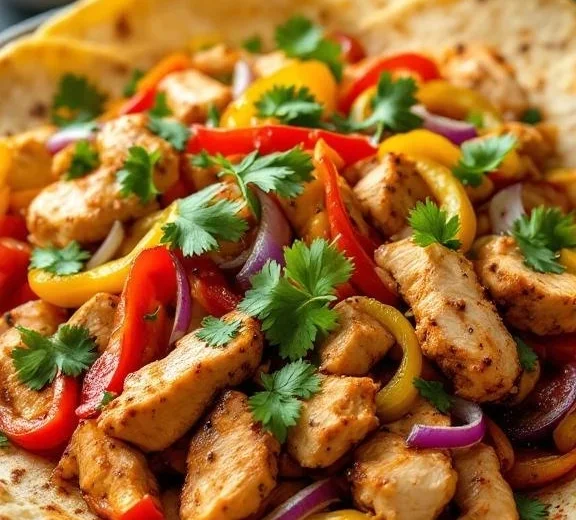
Chicken tacos using the shredded meat are possibly the best use of leftovers ever invented. Warm some tortillas, pile on the chicken, add your favorite toppings, and congratulate yourself on stretching one chicken into multiple amazing meals. Nobody has to know this wasn’t the original plan.
Chicken salad for sandwiches or lettuce wraps transforms leftover chicken into lunch-week meal prep. Mix shredded chicken with mayo, celery, grapes, and whatever else you like in chicken salad. Make a big batch on Sunday, eat it all week, feel accomplished.
Chicken and rice soup using the leftover meat and that flavorful slow cooker liquid turns one chicken into possibly the most comforting soup you’ll eat all month. Add rice, vegetables, and boom, you’ve got soup that makes you feel better about everything.
Beverage Pairings
White wine lovers should reach for something with body like Chardonnay or Viognier. The richness of the wine matches the richness of the chicken without overwhelming the subtle herb flavors. Plus, wine makes everything feel fancier, even if you’re eating on the couch.
Beer works beautifully too, especially something crisp and refreshing like a pilsner or wheat beer. The carbonation cleanses your palate between bites while the mild flavors complement rather than compete with the chicken.
For non-alcoholic options, sparkling water with lemon or iced tea provides refreshing contrast. The bubbles or tannins cut through the richness while keeping things light and drinkable.
Storage & Reheating Guide
Optimal Storage Methods
Cool the chicken completely before refrigerating, either leaving it whole or shredding it first depending on your plans. Whole chicken takes up more space but stays moister, shredded chicken is ready to use but dries out faster. Pick your poison based on your priorities.
Store in airtight containers in the refrigerator for up to 4 days, though honestly it rarely lasts that long because people keep sneaking bites. Keeping some of that cooking liquid with the meat helps maintain moisture and adds flavor when reheating.
Separate white meat from dark meat during storage if you’re organized enough, because they reheat at slightly different rates. Dark meat is more forgiving and stays moister during reheating, while white meat needs more careful attention to prevent drying out.
Freezing for Later
Shredded chicken freezes beautifully for up to 3 months, portioned into meal-sized containers or freezer bags with as much air removed as possible. Label everything with dates because freezer amnesia is real and you won’t remember what that mystery package contains in two months.
Whole or large pieces of chicken can be frozen too, though they take longer to thaw and aren’t quite as versatile. Wrap tightly in plastic wrap, then aluminum foil, creating multiple barriers against freezer burn and flavor loss.
That precious cooking liquid freezes in ice cube trays for easy portioning later. Pop out frozen cubes and store in freezer bags, then grab however many you need for adding flavor to future cooking projects. It’s like having flavor bombs ready to deploy at any moment.
Reheating Best Practices
Gentle reheating prevents the cardinal sin of turning tender chicken into dry, rubbery disappointment. Use low power in the microwave (50% power or less), add a splash of water or broth, and heat in short intervals, stirring between each. Slow and steady wins the reheating race.
Oven reheating wrapped in foil with a bit of liquid creates gentle, even warming that maintains texture beautifully. Set the oven to 300°F, wrap chicken portions in foil with a tablespoon of broth or water, and warm for 10 to 15 minutes until heated through.
Stovetop reheating in a covered pan with some cooking liquid or broth is possibly the best method for maintaining moisture. Use low heat, add your chicken with liquid, cover, and warm gently while stirring occasionally. The steam rehydrates while the gentle heat prevents overcooking.
Protein Powerhouse Benefits
Thirty grams of protein per serving makes this chicken an excellent choice for meeting daily protein needs without relying on shakes or bars. Chicken provides complete protein containing all essential amino acids in proportions that humans use efficiently, making it one of the best dietary protein sources available.
Dark meat contains slightly more fat than white meat but also provides more iron, zinc, and B vitamins. The whole “white meat is healthier” myth needs to die because dark meat offers nutritional benefits that white meat can’t match. Eat both and enjoy the variety.
Chicken skin gets demonized in diet conversations, but it contains collagen that’s beneficial for joints and skin health. Plus, it tastes amazing and provides satisfaction that makes you less likely to overeat. Remove it if you must, but know that you’re sacrificing both flavor and certain nutrients.
Cooking Method Advantages
Slow cooking preserves more nutrients than high-heat methods that can destroy heat-sensitive vitamins. The gentle, moist cooking environment keeps B vitamins intact while making minerals more bioavailable through the breakdown of connective tissues.
No added oils or fats beyond what the chicken naturally contains keeps this a relatively clean protein source. You’re not deep-frying or coating it in butter (unless you choose to), just letting the chicken be itself in its natural glory.
Dietary Compatibility
Naturally gluten-free, this recipe works for anyone avoiding gluten without requiring substitutions or modifications. The spices are pure ground spices without fillers, and chicken is just chicken. Simple food that everyone can enjoy.
Keto and low-carb dieters can eat this chicken with abandon, as it’s essentially zero carbs except for trace amounts in the spices. Pair it with low-carb sides and you’ve got a meal that fits perfectly into ketogenic eating patterns.
Paleo enthusiasts will love this recipe since it’s just meat, spices, and vegetables cooked in a way that our ancestors would totally approve of (if they had slow cookers, which tragically they didn’t). No processed ingredients, no weird additives, just real food cooked simply.
Frequently Asked Questions (All Your Burning Questions Answered)
Can I cook a frozen chicken in the slow cooker?
Technically you could, but I’m begging you not to. Frozen chicken spends way too long in the bacterial danger zone (40°F to 140°F) while the outside thaws and cooks before the inside even begins to thaw. This is a food safety nightmare waiting to happen. Always thaw your chicken completely in the refrigerator before slow cooking, which takes about 24 hours for a whole bird. Plan ahead, your stomach will thank you.
Why is my chicken releasing so much liquid?
All chickens release liquid during cooking as proteins contract and squeeze out moisture. Slow cookers trap every drop of this liquid plus the moisture from vegetables and any added liquid. This is normal and actually desirable because that liquid is full of flavor. If you end up with more liquid than you want, strain it and use it for cooking rice, making soup, or as the base for gravy. It’s too valuable to waste.
How do I know when it’s actually done?
The most reliable method is using a meat thermometer inserted into the thickest part of the thigh (not touching bone). It should read 165°F for food safety. However, after 6 to 8 hours in a slow cooker, your chicken is definitely done unless something went seriously wrong. The meat should be fall-off-the-bone tender and pull apart easily with a fork. If it’s still tough or pink, give it another hour.
Can I cook it on high to save time?
You can, but the results won’t be quite as tender and juicy. High heat cooks in about 3 to 4 hours but doesn’t allow collagen to break down as completely. If you’re in a genuine time crunch, go for it, but understand you’re trading convenience for some texture quality. Low and slow is the way to achieve that melt-in-your-mouth tenderness that makes people swoon.
What if my slow cooker is too small for a whole chicken?
You have options! Get a smaller chicken (3 to 4 pounds instead of 5), remove the legs and cook them separately, or cut the chicken in half down the backbone. Alternatively, just admit you need a bigger slow cooker and add it to your wish list. Cooking chicken pieces instead of a whole bird works fine, just adjust cooking time down to about 4 to 6 hours on low.
Do I really need to stuff it with lemon and garlic?
Need? No. Should? Absolutely yes. The lemon and garlic create steam inside the cavity that bastes the meat from within while infusing flavor. Without them, your chicken will still cook and be edible, but it’ll be noticeably less flavorful and potentially drier. They’re not fancy ingredients or expensive, so why skip the flavor boost?
Can I make this ahead for meal prep?
Totally! Cook the chicken, let it cool, shred it, and portion it into containers with some of the cooking liquid. It reheats beautifully all week for various meals. The cooked chicken keeps in the fridge for 4 days or freezes for up to 3 months. This is actually one of the best meal prep strategies because one chicken becomes multiple meals with minimal extra work.
Why isn’t my chicken skin crispy?
Slow cookers cook with moist heat in an enclosed environment, which is the exact opposite of what creates crispy skin. Your chicken skin will be soft and possibly a bit flabby, which is the trade-off for incredibly tender meat. If you desperately need crispy skin, broil the chicken for 3 to 5 minutes after slow cooking (watch it carefully so it doesn’t burn). Most people decide the tender meat is worth sacrificing crispy skin.
What should I do with the leftover bones?
Make stock! Throw those bones back in the slow cooker with water, some vegetables, and aromatics, cook on low for another 6 to 8 hours, then strain. You’ve just made homemade chicken stock that’s better than anything you can buy. Freeze it in portions and use it for cooking rice, making soup, or anywhere you need chicken flavor. One chicken becomes dinner AND the base for multiple future meals.
Help! My chicken is falling apart and I can’t get it out of the slow cooker in one piece!
That’s not a problem, that’s a sign of success! Your chicken is so tender that it’s falling apart, which is exactly what we want. Use two large spoons or tongs to carefully transfer it to a platter, and don’t stress if some pieces come off during the move. You were going to carve it anyway. Embrace the tenderness and stop trying to treat it like it came out of the oven.
Troubleshooting Guide (When Things Go Sideways)
When Your Chicken Turns Out Dry
Overcooking is the most common cause of dry slow cooker chicken, which seems weird since slow cookers are supposed to prevent that. If you cooked it for way longer than 8 hours, even slow cooker magic can’t save it. Check your chicken at the minimum cooking time and adjust from there based on size and your specific slow cooker’s temperature.
Not enough liquid in the slow cooker can lead to drier results, though the chicken should release enough of its own juices to prevent this. If you live in a particularly dry climate or your slow cooker runs hot, adding an extra 1/4 cup of broth won’t hurt.
Using a chicken that’s been previously frozen and poorly thawed can result in dry meat because ice crystals damage cell structure. Buy fresh when possible, or thaw frozen chicken slowly in the refrigerator over 24 hours rather than rushing it at room temperature or in the microwave.
Texture Problems and Solutions
Rubbery chicken usually means it was cooked on high heat too quickly. The proteins seized up before collagen had time to break down, creating that unpleasant bouncy texture. There’s not much you can do to fix it after the fact except remember to use low heat next time.
Mushy, falling-apart chicken means you cooked it way too long. While tender is good, there’s a point where it crosses into “has lost all structure” territory. If your chicken is literally dissolving, you’ve gone about 2 hours past optimal. Make note of the cooking time and reduce it next time.
Pink chicken after the full cooking time is rare in slow cookers but can happen if your cooker runs cool or your chicken is massive. Always check with a thermometer rather than relying on visual cues, as slow-cooked chicken can remain slightly pink even when fully cooked and safe.
Flavor Disappointments
Bland chicken indicates under-seasoning, which is easy to fix next time by being more generous with spices. You can add flavor after cooking through sauces or gravies, but it’s better to season well from the start. Remember, you’re seasoning a big piece of meat that needs more than you think.
Too salty chicken happens if you went overboard with the salt or used a particularly salty spice blend. Serve it with bland sides like plain rice or unsalted vegetables to balance things out. There’s no way to remove salt after it’s been added, so be cautious with the salt shaker next time.
Weird metallic taste can come from old spices or spice blends with questionable ingredients. Check expiration dates on your spices and replace anything that’s been sitting in your cabinet since 2018. Fresh spices make a noticeable difference in flavor quality.
Slow Cooker Technical Issues
Burning on the bottom despite following the recipe usually means your slow cooker runs hot or you forgot to put the onions down first. The onions create a barrier between the hot ceramic and the chicken. If burning persists, try cooking on low for less time or consider that your slow cooker might need replacing.
Uneven cooking with some parts done and others not indicates hot spots in your slow cooker. Try rotating the chicken halfway through cooking (quickly, so you don’t lose much heat), or accept that your slow cooker has quirks and adjust accordingly.
Excessive liquid at the end means you added too much liquid to start, your vegetables released more moisture than expected, or you lifted the lid multiple times. Strain the excess, save it for future cooking, and use less liquid next time.
Safety Concerns
Chicken that’s been sitting in the slow cooker on warm for hours past cooking becomes a food safety concern. The warm setting (around 165°F to 175°F) is fine for a couple hours but extended time can dry out the meat and potentially create bacteria growth if the temperature drops. Aim to serve within 2 hours of finishing cooking, or refrigerate and reheat when ready.
Leaving raw chicken in the slow cooker overnight with plans to turn it on in the morning is asking for food poisoning. Raw meat sitting at room temperature breeds bacteria like it’s going out of style. Prep your chicken right before cooking, not hours in advance.
Final Thoughts (You’re Ready for This!)
There’s something deeply satisfying about mastering a technique that seems intimidating but is actually ridiculously simple once you try it. This slow cooker whole chicken recipe isn’t just about making dinner, it’s about realizing that restaurant-quality food is totally achievable without culinary school or even being particularly talented in the kitchen. You just need a slow cooker and the willingness to throw ingredients together and walk away.
What I love most about this recipe is how it democratizes good cooking. You don’t need expensive equipment, hard-to-find ingredients, or advanced techniques. You need a chicken, some spices most people already have, and patience while your slow cooker does literally all the work. This is accessible cooking at its finest, proving that good food doesn’t have to be complicated or stressful.
The confidence you’ll gain from nailing this recipe extends way beyond just chicken. Understanding that low and slow cooking transforms tough into tender opens up entire categories of recipes you might have been intimidated by before. Pot roasts, pulled pork, beef stews, they all use the same basic principle you’ve just mastered.
Every time you make this chicken, you’re not just feeding yourself or your family. You’re creating an experience, filling your home with aromas that make it feel welcoming and warm, serving food that brings people together. There’s something primal and comforting about a whole roasted bird that connects us to generations of people who’ve been cooking birds for millennia.
The meal-planning superpowers you’ll unlock with this recipe are genuinely life-changing. One chicken cooked on Sunday becomes sandwiches Monday, tacos Tuesday, soup Wednesday, and you’ve still got stock brewing for future meals. You’ve basically turned one bird and eight hours of inattention into a week’s worth of food. That’s efficiency that would make your ancestors proud.
Perhaps most importantly, this recipe teaches the value of patience in a world that constantly pushes for faster, quicker, now now now. Sometimes the best things require time, and that’s okay. Set it up, walk away, trust the process, and come back to something wonderful. That’s a life lesson wrapped in a delicious chicken dinner.
So grab a chicken, dust off that slow cooker that’s been taking up cabinet space, and commit to those six to eight hours of hands-off cooking. Your house is about to smell amazing, your dinner is going to be spectacular, and you’re going to feel like you’ve unlocked a cheat code for adulting. Welcome to the slow cooker chicken club, friend. Your membership benefits include tender chicken and significantly less dinner stress.
Now go forth and slow cook that bird like the champion you are. The only thing standing between you and chicken perfection is hitting the start button on your slow cooker. You’ve got this, and that chicken doesn’t know what’s about to hit it.