- Sear the Ribs
In a large skillet, heat olive oil over medium-high heat. Season the beef short ribs with salt and pepper, then sear them on all sides until browned (about 3-4 minutes per side).
- Prepare the Slow Cooker
Transfer the seared ribs to the slow cooker. Add the chopped onion and minced garlic on top.
- Mix the Sauce
In a bowl, combine the beef broth, red wine (if using), soy sauce, Worcestershire sauce, thyme, salt, and pepper. Pour this mixture over the ribs in the slow cooker.
- Cook
Cover and cook on low for 8 hours or on high for 4 hours, until the meat is tender and easily pulls away from the bone.
- Serve
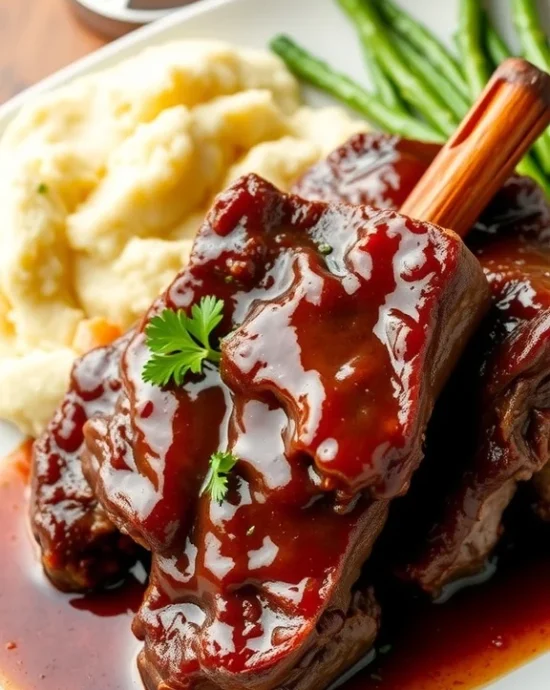
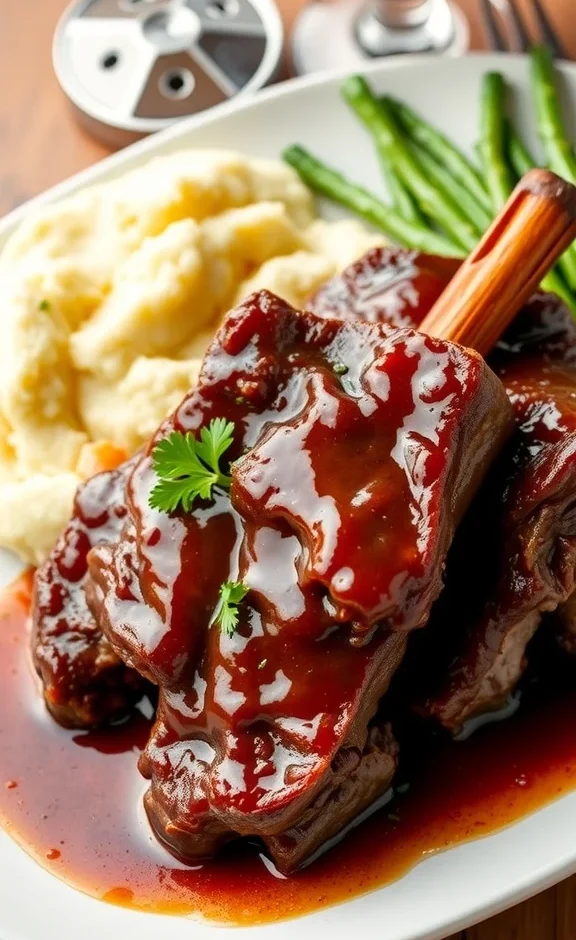
Once cooked, remove the ribs from the slow cooker and let them rest for a few minutes. Serve with the cooking liquid drizzled over the top and garnish with fresh parsley if desired.
- Calories:450 kcals
- Fat:30 grams
- Proteins:35 grams
- Carbohydrates:5 grams
Beef short ribs are the kind of meal that makes people think you’ve got secret culinary skills, when really, you just let a slow cooker do all the actual work while you binged an entire Netflix series. This isn’t some complicated technique that requires years of practice, this is meat that literally falls off the bone after hours of gentle cooking while you do absolutely anything else with your day.
Picture coming home to the smell of caramelized beef, red wine, and aromatics that have been mingling together for eight glorious hours. Your slow cooker has transformed tough, inexpensive short ribs into something so tender you could cut it with a spoon, swimming in a rich, glossy sauce that tastes like it came from a restaurant with cloth napkins and waiters who describe dishes using words like “reduction” and “au jus.”
The best part? This whole operation requires maybe fifteen minutes of actual effort. Sear some meat, throw everything in a pot, press a button, walk away. When you come back, you’ve got restaurant-quality results that cost a fraction of what you’d pay for takeout and taste infinitely better because it’s made with actual ingredients you can identify.
Why This Recipe is Awesome
The Meat Transformation is Pure Magic
Short ribs start out tough and kind of intimidating, full of connective tissue and collagen that makes you wonder if you’re supposed to cook them or use them as building materials. Eight hours later, they’ve transformed into something so tender and luscious that it seems impossible they’re the same ingredient.
This transformation happens because slow, gentle heat breaks down all that tough stuff into gelatin, which creates that luxurious, melt-in-your-mouth texture. It’s basically science doing all the heavy lifting while you take all the credit.
Budget-Friendly Luxury Vibes
Short ribs used to be cheap because butchers couldn’t figure out what else to do with them. They’re still relatively affordable compared to premium cuts, yet they deliver flavor and satisfaction that rivals anything expensive.
You’re getting fancy restaurant results for maybe six or seven dollars a pound, which is basically stealing when you consider the experience. Add a few pantry staples, and you’ve got a meal that looks and tastes like you spent serious money.
Minimal Effort Maximum Payoff
The actual hands-on time here is laughably short. Sear the meat for twelve minutes, dump some stuff in a pot, set it, and forget it until dinner time. This is the kind of cooking that fits into actual life rather than requiring you to clear your entire schedule.
Even people who claim they can’t cook can nail this because the slow cooker does all the tricky parts. Temperature control? Handled. Timing? Flexible. Technique? Basically nonexistent beyond basic searing.
Crowd-Pleasing Guaranteed
Everyone loves fall-off-the-bone meat that tastes rich and satisfying. This isn’t polarizing food that some people love and others hate, it’s universally appealing comfort food that makes people ask for seconds and then thirds.
Kids love it because tender meat requires minimal chewing effort, adults love it because the flavors are complex and interesting, and picky eaters love it because there’s nothing weird or unexpected happening here, just really good beef.
The Story Behind Beef Short Ribs
From Throwaway Cut to Culinary Star
Short ribs used to be what butchers gave away or ground into hamburger because nobody wanted to deal with them. They’re fatty, they’re tough, and they require serious cooking time to become edible, which didn’t fit with the quick-cooking mentality that dominated home cooking for decades.
Korean barbecue culture introduced Americans to the concept that short ribs could be amazing if treated properly. Flanken-cut ribs, sliced thin across the bones, became popular, and suddenly people started experimenting with different preparations for this formerly ignored cut.
Slow Cooking Renaissance
The slow cooker revolution of the early 2000s, combined with braising techniques from French cuisine, turned short ribs into restaurant menu staples. Chefs realized that eight hours of gentle cooking created luxury-level results that justified premium pricing.
Home cooks caught on when food blogs and cooking shows started demystifying the process. Turns out, you don’t need professional training to make incredible short ribs, you just need patience and a slow cooker or Dutch oven.
My Personal Short Rib Journey
My introduction to short ribs happened at a wedding where they served braised short ribs that literally melted on contact with my tongue. I spent the entire reception bothering the catering staff trying to figure out how they achieved that texture, convinced it required equipment I didn’t own or techniques I’d never master.
Months of intimidation followed where I’d see short ribs at the grocery store and walk past them, assuming they were beyond my skill level. Finally, curiosity and hunger outweighed fear, leading to that first experimental batch that came out so good I genuinely questioned whether I’d accidentally become a competent cook.
The Breakthrough Realization
The revelation was understanding that short ribs aren’t about skill, they’re about time and temperature. Low heat applied for long periods breaks down tough connective tissue into silky gelatin. You can’t rush this process, but you also can’t really screw it up if you follow basic guidelines.
Once that clicked, short ribs went from intimidating mystery meat to reliable go-to meal for impressing people or just treating myself to something special without leaving the house.
Cultural Significance and Regional Variations
Different cultures approach short ribs with varying techniques and flavor profiles. Korean galbi features sweet-savory marinades and quick grilling, while American-style braised ribs go for deep, wine-based sauces and slow cooking.
Jewish cuisine has been slow-cooking short ribs forever, understanding long before it was trendy that patient cooking transforms tough cuts into treasured dishes. Every culture that figures out short ribs independently arrives at similar conclusions about time and temperature being the key factors.
Essential Equipment & Kitchen Tips
The Slow Cooker Fundamentals
A six-quart slow cooker handles four pounds of short ribs comfortably without overcrowding. Smaller cookers work for fewer ribs, but don’t try stuffing eight pounds into a four-quart model and expect good results.
Older models with simple low and high settings work perfectly fine here. Those expensive programmable ones with seventeen functions are nice but totally unnecessary for this straightforward recipe where you just want slow, steady heat.
Heavy Skillet for Searing
You’ll need a large, heavy skillet for searing the ribs before they go into the slow cooker. Cast iron works beautifully, retaining heat well and creating excellent browning without sticking issues.
A 12-inch skillet provides enough surface area to sear multiple ribs without crowding, which is crucial for proper browning. Crowded pans create steam instead of sear, ruining the whole point of this step.
Tongs for Meat Handling
Good quality tongs with spring-loaded handles make flipping hot, heavy short ribs way easier than trying to wrestle them with forks or spatulas. Silicone-tipped tongs protect non-stick pans while providing secure grip.
Long-handled tongs keep your hands safely away from spattering hot oil during the searing process. This matters more than you’d think when you’re dealing with fatty meat in screaming hot pans.
Mixing Bowl and Whisk
A medium-sized mixing bowl handles sauce preparation, providing enough space to whisk everything together without splashing liquids everywhere. Glass or stainless steel bowls work better than plastic for this purpose.
A whisk ensures smooth sauce with no lumps of unmixed seasonings hiding at the bottom. Regular whisks work fine, though silicone-coated whisks protect delicate bowl interiors if that matters to you.
Storage and Serving Tools
Shallow serving dishes or individual plates work better than deep bowls for short ribs, allowing you to arrange everything attractively with sauce pooled around the meat rather than drowning it.
Airtight containers with secure lids store leftovers without leaking that precious sauce all over your refrigerator. Glass containers prevent staining and preserve flavor better than plastic options.
Short Rib Selection Strategy
Bone-in short ribs create more flavorful results than boneless versions because bones release marrow and collagen during cooking, enriching the sauce. Each rib should have substantial meat attached, not just bone with tiny meat scraps.
Look for ribs with good marbling throughout the meat, those white fat lines running through indicate flavor and moisture that survives long cooking. Completely lean short ribs will be dry and disappointing no matter how well you cook them.
English-cut short ribs, with bones running parallel to the meat, work better for slow cooking than flanken-cut ribs that are sliced across multiple bones. English-cut provides more substantial pieces that don’t fall apart during extended cooking.
Wine Selection Matters
Dry red wines like Cabernet Sauvignon, Merlot, or Pinot Noir create depth without adding excessive sweetness. Avoid cooking wines from the grocery store, which taste like vinegar mixed with sadness.
If you wouldn’t drink it, don’t cook with it. The wine’s flavor concentrates during cooking, so mediocre wine creates mediocre sauce. Decent but not expensive wine, something in the ten to fifteen dollar range, works perfectly here.
Skipping wine entirely is fine if you’re avoiding alcohol or just don’t have any. Increase beef broth to compensate for lost liquid, though you’ll miss some of the complexity that wine brings.
Broth Quality Considerations
Good beef broth forms the foundation of your sauce, so quality matters more here than in recipes where broth plays a minor role. Low-sodium versions give you control over final saltiness.
Homemade beef stock creates superior results if you have it available, though store-bought works perfectly fine for weeknight cooking. Avoid those weird beef bouillon cubes that taste more like salt than actual beef.
Aromatics and Seasonings
Fresh garlic crushes pre-minced jarred versions in terms of flavor impact. Yes, mincing takes an extra minute, but that minute pays dividends in final taste.
Dried thyme works better than fresh for slow cooking because it doesn’t turn bitter or lose potency during extended heat exposure. Fresh herbs added at the end provide brightness, but dried herbs belong in the beginning.
Soy sauce and Worcestershire sauce might seem like odd additions to beef ribs, but they provide umami depth that makes the sauce taste richer and more complex without being identifiable as Asian or British ingredients.
Pro Chef Secrets & Advanced Techniques
Searing Creates Flavor Foundations
That browning step isn’t optional decoration, it’s creating hundreds of flavor compounds through the Maillard reaction that can’t be replicated any other way. Those caramelized bits add complexity and depth that separate good ribs from mind-blowing ribs.
Restaurants sear their meat because it matters, not because they enjoy extra work and dishes. Take the time to do this properly, making sure each surface gets actual browning rather than just gray cooked meat.
Hot pans and dry meat are the keys to successful searing. If your pan isn’t hot enough or your meat is wet, you’ll get steaming instead of searing, completely defeating the purpose.
Deglazing the Pan Captures Flavor
After searing, all those brown bits stuck to your pan bottom are concentrated flavor that shouldn’t be wasted. Deglaze the pan with a splash of wine or broth, scraping up those bits, then pour the whole mixture into your slow cooker.
This extra step takes maybe two minutes but adds noticeable depth to your final sauce. It’s the kind of small detail that separates home cooking from restaurant quality.
Sauce Reduction Transforms Everything
Taking time to reduce your cooking liquid after the ribs are done creates glossy, concentrated sauce that clings to meat instead of just running off. The difference between thin cooking liquid and proper sauce is dramatic.
Simmer the liquid uncovered, letting water evaporate while flavors concentrate. The sauce should coat a spoon and have visible body, not just be colored water that tastes good.
Skimming Fat Improves Texture
While some fat adds flavor, too much creates greasy sauce that coats your mouth unpleasantly. Skimming excess fat from the surface creates cleaner, more refined results.
Let the liquid sit for a minute after cooking, allowing fat to rise to the surface where it’s easier to remove. Fat separators make this process easier, though a large spoon works fine with patience.
Temperature and Timing Flexibility
The beauty of slow-cooked short ribs is the forgiving timeline. If you’re running late and the ribs cook an extra hour, they’ll just be more tender. Hard to overcook meat in this gentle environment.
Starting with room temperature meat speeds up cooking slightly while ensuring more even results throughout. Cold meat takes longer to heat through, creating timing inconsistencies.
Common Mistakes to Avoid
Skipping the Searing Step
Some people try to save time by throwing raw short ribs directly into the slow cooker without searing. This creates pale, one-dimensional meat that tastes fine but lacks the complexity that proper browning provides.
That extra fifteen minutes of searing makes such a dramatic difference that skipping it basically wastes all the other effort you’re putting into this meal. Don’t cheat yourself out of proper flavor development.
Overcrowding the Searing Pan
Trying to sear all your ribs at once in a crowded pan creates steam instead of proper browning. The meat releases moisture, the pan temperature drops, and you end up with gray boiled-looking meat.
Work in batches even though it takes longer. Properly seared meat beats quickly gray meat every single time, making the extra few minutes worthwhile.
Using Cheap Wine or No Wine
Cooking wine from the grocery store tastes terrible and makes your sauce taste terrible too. If you’re including wine, use something you’d actually drink, not that weird vinegary stuff marketed specifically for cooking.
Skipping wine entirely is fine if you have reasons, but don’t replace good wine with bad wine thinking it won’t matter. It absolutely matters and you’ll taste the difference.
Not Seasoning the Meat Before Searing
Waiting to season until after searing misses the opportunity to create a flavorful crust on the meat exterior. Salt and pepper applied before searing get caramelized into the surface, adding another layer of flavor.
Season generously, remembering that short ribs are thick cuts that need substantial seasoning to penetrate properly. Timid seasoning creates bland meat no matter how good your sauce is.
Opening the Lid Repeatedly
Every time you lift that slow cooker lid to check on things, you release heat and moisture, adding 15-20 minutes to cooking time. Unless something’s actually wrong, resist the urge to peek.
Trust the process and the timing. Your ribs are fine in there, getting more tender by the hour without needing your supervision or intervention.
Alternatives & Substitutions
Different Cuts of Beef
Chuck roast cut into large chunks works similarly to short ribs, creating tender, fall-apart meat after slow cooking. It’s often cheaper and more readily available than short ribs.
Beef shank provides similar collagen-rich meat that benefits from slow cooking. The bone marrow adds incredible richness to the sauce, though the meat’s texture is slightly different from short ribs.
Oxtail creates luxurious, gelatinous results with deep flavor, though it’s become trendy and expensive in recent years. Use it if you find it reasonably priced and want to experiment.
Wine Alternatives
Beef broth completely replaces wine if you’re avoiding alcohol or just don’t have wine available. Increase the total broth to 3 cups to compensate for the missing liquid.
Balsamic vinegar, just a couple tablespoons, adds acidity and depth similar to what wine provides. Don’t go overboard, too much vinegar makes things taste pickled rather than balanced.
Apple cider or grape juice provides sweetness and some complexity, though without the depth that wine brings. Add a tablespoon of vinegar to compensate for missing acidity.
Herb and Spice Variations
Fresh rosemary instead of thyme creates more pungent, pine-like flavors that pair beautifully with beef. Use about 2 tablespoons of chopped fresh rosemary or 2 teaspoons dried.
Bay leaves added to the braising liquid provide subtle complexity. Just remember to remove them before serving because accidentally eating a bay leaf is unpleasant.
Smoked paprika brings interesting depth and a hint of smokiness without needing actual smoke. Start with just a teaspoon since it’s potent and can overwhelm if overused.
Liquid Variations
Dark beer, particularly stouts or porters, creates rich, malty flavor that works wonderfully with beef. Use it to replace the wine entirely or half-and-half with broth.
Coffee, weirdly enough, adds deep, earthy notes that enhance beef flavors. Just half a cup mixed with broth creates surprisingly good results, though don’t tell people beforehand because they’ll think you’re weird.
Aromatics Mix-ups
Shallots instead of onions provide mellower, slightly sweeter flavor. They’re more expensive but create more refined results if you’re trying to impress someone.
Carrots and celery added with the onions create classic mirepoix that adds sweetness and depth to the braising liquid. Roughly chop them so they break down during cooking rather than staying chunky.
Ginger, just a tablespoon of grated fresh ginger, adds warming spice that takes the dish in an Asian-inspired direction. Pair this with increased soy sauce for cohesive flavor profile.
Flavor Variations & Creative Twists
Korean-Inspired BBQ Ribs
Replace half the beef broth with soy sauce and add 2 tablespoons of brown sugar, a tablespoon of rice vinegar, and a teaspoon of sesame oil. This creates sweet-savory flavors reminiscent of Korean galbi.
Add grated ginger and more garlic for authentic Korean punch. Garnish with sesame seeds and sliced green onions for complete transformation.
Gochujang, Korean chili paste, brings fermented heat if you want spicy Korean-style ribs. Start with 2 tablespoons and adjust up if you want more heat.
Red Wine Braised Elegance
Use a full bottle of red wine with just a cup of beef broth for deeply wine-forward flavor that tastes fancy and French. This creates richer, more complex sauce.
Add fresh thyme sprigs, bay leaves, and a few whole garlic cloves for classic French braising aromatics. The extended cooking time mellows the wine’s sharpness.
Finish with a pat of butter stirred into the reduced sauce for glossy richness. This restaurant technique elevates everything instantly.
Asian Five-Spice Adventure
Add a teaspoon of Chinese five-spice powder to your braising liquid for complex warmth with notes of cinnamon, star anise, and cloves. This small addition dramatically changes the flavor profile.
Use hoisin sauce instead of Worcestershire for sweet, fermented depth that pairs beautifully with the five-spice. Increase soy sauce slightly to compensate for hoisin’s sweetness.
BBQ Style Short Ribs
Add half a cup of your favorite BBQ sauce to the braising liquid for sweet, tangy, smoky flavors. This creates fusion between slow-cooked and BBQ ribs.
Liquid smoke, just half a teaspoon, adds authentic smokiness without needing actual smoke. Don’t overdo it, liquid smoke is incredibly potent.
Finish under the broiler with extra BBQ sauce brushed on top for caramelized, sticky exterior. This extra step creates texture contrast that’s absolutely worth it.
Mediterranean Herb Infusion
Replace thyme with a tablespoon each of dried oregano and basil for Italian-inspired flavors. Add a can of crushed tomatoes to the braising liquid for rich tomato base.
Balsamic vinegar, a couple tablespoons, brings tang and sweetness characteristic of Italian cooking. The acidity balances the rich beef perfectly.
Finish with grated Parmesan and fresh basil for complete Italian transformation. Serve over polenta instead of mashed potatoes for authentic pairing.
Serving Suggestions & Pairings
Classic Mashed Potato Partnership
Creamy mashed potatoes are basically mandatory with braised short ribs, providing neutral base that soaks up all that gorgeous sauce. The combination is pure comfort food heaven.
Make your mashed potatoes extra rich with butter and cream to match the luxurious ribs. This isn’t the time for diet mashed potatoes made with skim milk and sadness.
Garlic mashed potatoes elevate everything, adding layers of flavor that complement the beef beautifully. Roast the garlic first for mellower, sweeter notes.
Polenta Perfection
Creamy polenta offers Italian-inspired alternative to mashed potatoes with slightly different texture and corn sweetness. The smooth polenta contrasts beautifully with tender meat.
Parmesan stirred into the polenta adds richness and umami that pairs wonderfully with beef. Don’t skip the butter either, polenta needs fat to reach its full potential.
Root Vegetable Sides
Roasted root vegetables like carrots, parsnips, and turnips provide earthy sweetness that balances rich beef. Their caramelized exteriors add textural contrast.
Glazed carrots with butter and brown sugar create sweet counterpoint to savory ribs. The combination of sweet vegetables and rich meat works beautifully together.
Green Vegetable Balance
Steamed green beans, broccoli, or Brussels sprouts add color and nutritional balance to an otherwise very brown, very rich plate. The vegetables provide lighter bites between rich meat.
Sautéed spinach or kale with garlic brings iron-rich greens that pair naturally with beef. The slight bitterness cuts through fatty richness perfectly.
Bread for Sauce Sopping
Crusty bread is essential for soaking up every last drop of that incredible sauce. Don’t let any of that liquid gold go to waste on the plate.
Garlic bread takes things over the top, adding more richness to an already rich meal. Sometimes excess is exactly what dinner should be.
Wine Pairings
The same wine you cooked with makes excellent drinking wine for the meal. This creates harmony between the dish and your glass.
Bold reds like Cabernet Sauvignon or Malbec stand up to rich beef without being overwhelmed. Their tannins complement the fatty meat beautifully.
Lighter reds like Pinot Noir work if you prefer less heavy wine. The fruit-forward flavors complement without competing with the complex sauce.
Storage & Reheating Guide
Refrigerator Storage Best Practices
Store cooled short ribs in airtight containers with the sauce for up to 4 days. Keeping them together prevents the meat from drying out.
The sauce will likely solidify somewhat in the refrigerator as the gelatin sets. This is completely normal and actually indicates good collagen breakdown during cooking.
Separate the meat from bones before storing if you want to save space and make reheating easier. The bones have done their job by this point.
Freezer Storage Strategies
Short ribs freeze beautifully for up to 3 months when properly stored. The sauce protects the meat from freezer burn while maintaining moisture.
Portion before freezing so you can thaw exactly what you need without defrosting the entire batch. Individual servings work great for quick lunches or dinners.
Label everything clearly with contents and date. Future you will appreciate knowing exactly what’s in each container without playing freezer roulette.
Reheating Methods
Stovetop reheating in a covered pan over low heat creates the best results. Add a splash of broth or water if the sauce seems too thick after refrigeration.
Microwave reheating works for quick lunches, though heat in shorter intervals to prevent drying out the meat. Cover the container to trap steam.
Oven reheating at 325°F covered with foil produces results closest to freshly cooked. This takes longer but creates better texture.
Maintaining Quality
Add fresh herbs or a splash of wine to refresh leftover sauce before serving. This brightens flavors that may have mellowed during storage.
The ribs actually often taste better the next day as flavors continue melding overnight. Don’t assume fresh is always superior to leftovers.
Creative Leftover Uses
Shred leftover meat and use in tacos, enchiladas, or quesadillas for Mexican-inspired transformations. The rich beef works beautifully in these applications.
Add to pasta with the sauce for Italian-style beef ragù. Toss with pappardelle or rigatoni for hearty, satisfying meals.
Make beef hash by chopping the meat and crisping it in a pan with potatoes and onions. Top with fried eggs for incredible breakfast.
Nutritional Benefits & Health Notes
Protein Powerhouse
Short ribs provide substantial protein, approximately 35 grams per serving, supporting muscle maintenance and satiety. This protein content makes the meal surprisingly filling.
The complete amino acid profile supports various bodily functions, from immune system health to enzyme production. Quality protein matters for overall wellness.
Iron and Mineral Content
Beef excels at providing heme iron, the most bioavailable form that bodies absorb easily. This is particularly important for people prone to iron deficiency.
Zinc, selenium, and B vitamins round out beef’s nutritional profile, supporting immune function, thyroid health, and energy metabolism.
Collagen Benefits
The gelatin created from broken-down collagen may support joint health and skin elasticity. While research continues, traditional wisdom suggests these benefits are significant.
Bone broth enthusiasts prize this gelatin for gut health support. Whether you buy into trends or not, it certainly creates luxurious texture.
Fat Considerations
Short ribs contain significant fat, which contributes to their rich flavor and tender texture. This fat provides satiety and makes the meal satisfying.
Skimming excess fat from the sauce reduces overall fat content without sacrificing flavor. This compromise allows enjoyment without going overboard.
Monounsaturated fats in beef aren’t as problematic as once thought. Modern nutrition science recognizes that fat isn’t inherently bad, especially in context of overall diet.
Portion Control Strategies
Short ribs are rich, meaning smaller portions often satisfy better than huge servings. One or two ribs per person typically provides plenty.
Balancing with vegetables and reasonable starch portions creates more nutritionally complete meals. The ribs should star without dominating the entire plate.
Frequently Asked Questions
Why are my short ribs tough after 8 hours?
This usually means they need more time rather than less. Short ribs are incredibly forgiving and benefit from extended cooking. Just close the lid and give them another hour or two.
Your slow cooker might run cooler than average, meaning your 8 hours is someone else’s 6 hours. Every appliance heats differently, so adjust timing based on your specific equipment.
Really thick ribs need more time than thinner cuts. If your butcher gave you monster-sized pieces, expect to add extra cooking time for proper tenderness.
Can I make this without wine?
Absolutely! Just use all beef broth instead, increasing the total liquid to 3 cups. The ribs will still be delicious, though you’ll miss some of the complexity wine provides.
Add a tablespoon of balsamic vinegar to compensate for the missing acidity that wine brings. This small addition helps balance the flavors similarly to wine.
Many people skip wine for various reasons and still create fantastic short ribs. It’s a nice addition but not mandatory for success.
Should I remove the membrane from the back of the ribs?
Short ribs don’t have the same tough membrane that pork ribs have, so this step isn’t necessary. The long cooking time breaks down any connective tissue naturally.
If you see any obvious thick white membrane, you can remove it, but most short ribs sold at grocery stores don’t have anything that needs removing.
Can I cook these on high for less time?
Yes, 4 hours on high produces similar results to 8 hours on low. The meat won’t be quite as fall-apart tender, but it’ll still be delicious and fully cooked.
Low and slow creates the most luxurious texture if your schedule allows. High heat works when you’re in a rush but isn’t ideal if you have time for proper slow cooking.
How do I thicken the sauce if it’s too thin?
Remove the ribs and pour the liquid into a saucepan. Simmer it uncovered on the stove for 10-15 minutes until it reduces and thickens to your liking.
Alternatively, mix a tablespoon of cornstarch with 2 tablespoons of cold water and whisk it into the simmering liquid. This creates instant thickening.
Some people prefer thin sauce for drizzling, while others want thick, glossy coating. Neither is wrong, it’s personal preference.
Can I add vegetables to cook with the ribs?
You can, but most vegetables turn to mush after 8 hours of slow cooking. If you want vegetables in the dish, add heartier ones like carrots and potatoes during the last 2-3 hours.
Onions and garlic can go in from the start since they’re meant to break down and flavor the sauce. They’ll essentially dissolve into the braising liquid.
What’s the best way to serve short ribs for a dinner party?
Make them the day before and refrigerate overnight. This allows fat to solidify on top for easy removal, and flavors continue developing.
Reheat gently before serving, which is actually easier than trying to time fresh cooking for guests. The ribs stay hot in the slow cooker on warm setting during the party.
Plate individually with sauce drizzled artistically for restaurant-style presentation. Your guests will be impressed by both taste and appearance.
Can I use boneless short ribs?
Boneless ribs work fine, though you’ll miss the richness that bones and marrow add to the sauce. Reduce cooking time slightly since boneless meat cooks faster.
Cut boneless ribs into large chunks, about 3-4 inches, so they don’t fall apart completely during long cooking. Keep them substantial.
The flavor will be slightly less complex without bones, but the meat will still be tender and delicious with proper cooking.
How do I know when the ribs are done?
The meat should pull away from the bone easily when you insert a fork and give a gentle tug. If it resists, it needs more time.
Visual cues include the meat looking darker and having pulled back from the bone ends. The texture should appear incredibly tender, almost falling apart.
Internal temperature should reach at least 200°F for that fall-off-the-bone texture. Lower temperatures mean the collagen hasn’t fully broken down yet.
Can I make this in a Dutch oven instead?
Absolutely! Sear the ribs as directed, then add everything to your Dutch oven and braise in a 300°F oven for 3-4 hours covered.
The Dutch oven method creates similar results with slightly different texture. Some people prefer oven braising for the even heat distribution.
Check the ribs after 3 hours and continue cooking if needed. Oven braising is less forgiving than slow cookers regarding overcooking.
Troubleshooting Guide
When Your Ribs Won’t Get Tender
Insufficient cooking time is the most common cause of tough ribs. These cuts need extended cooking for proper breakdown, so patience is crucial.
Keep cooking! Add another hour or two and check again. Short ribs are almost impossible to overcook in a slow cooker environment, so more time usually solves the problem.
Your slow cooker might run cooler than average, meaning recipes’ timing doesn’t match your appliance. Learn how your specific cooker performs and adjust accordingly.
Starting with cold meat straight from the refrigerator extends cooking time. Let ribs sit at room temperature for 30 minutes before cooking for more consistent results.
Dealing with Greasy Sauce
Excess fat floating on the sauce surface creates unpleasant greasiness that coats your mouth. Skim this off with a large spoon or fat separator before serving.
Refrigerating the cooked ribs overnight allows fat to solidify on top for easy removal. This makes dealing with grease way simpler than trying to skim hot liquid.
Some fat adds flavor and richness, so don’t remove every last drop. Aim for balance between flavorful and greasy.
Fixing Bland Flavor
Under-seasoned ribs taste one-dimensional no matter how tender they are. Taste the sauce before serving and adjust salt, pepper, and other seasonings.
Adding a splash of soy sauce or Worcestershire boosts umami depth when flavors seem flat. These ingredients enhance beef flavors significantly.
Fresh herbs added at the end brighten heavy, rich dishes. Chopped parsley, thyme, or rosemary provide fresh notes that balance richness.
Acid, whether from wine, vinegar, or lemon juice, wakes up flat flavors dramatically. Just a tablespoon can transform bland sauce into something vibrant.
Rescuing Overcooked, Falling-Apart Ribs
Honestly, this is the best kind of problem. The meat might not look perfect, but it’ll taste incredible. Embrace the fall-apart texture.
Serve shredded rather than trying to keep whole pieces intact. Present it as intentional rather than accidental overcooking.
The meat makes excellent filling for tacos, sandwiches, or pasta when it’s too tender to stay on the bone. Transform the texture issue into a different dish entirely.
Sauce Too Thin or Too Thick
Thin sauce needs reduction through simmering or thickening with cornstarch slurry. Both methods work, choose based on whether you have time for reduction.
Thick sauce can be thinned with beef broth, wine, or water added gradually until desired consistency is reached. Stir well to incorporate.
Remember that sauce thickens as it cools, so what seems thin when hot might be perfect at serving temperature. Test by spooning some onto a cold plate.
Final Thoughts
Look, we’ve covered everything from proper searing technique to creative leftover transformations, but here’s the real deal: beef short ribs are about creating restaurant-quality results with minimal actual skill or effort. This is cooking that makes you look way more competent than you actually are.
The slow cooker does all the hard work while you do literally anything else with your day. The meat transforms from tough and intimidating to tender and luxurious without requiring your supervision or intervention. This is the kind of cooking that fits into real life rather than requiring you to clear your entire schedule.
Every time you make these ribs, you’ll get better at judging doneness, adjusting seasonings, and understanding how your specific slow cooker performs. These small improvements happen naturally through repetition rather than requiring deliberate practice.
The goal isn’t creating Michelin-star presentations or impressing some imaginary food critic. It’s about making incredibly delicious food that satisfies deeply and brings genuine pleasure without stress or complicated technique.
Short ribs represent accessible luxury, fancy-feeling food that doesn’t demand fancy skills or equipment. The transformation from raw ingredients to melt-in-your-mouth perfection feels almost magical, yet it’s completely achievable for anyone with patience and a slow cooker.
So grab some short ribs, sear them properly, dump everything in your slow cooker, and go about your day. When you come back, you’ll have something so tender and flavorful that people will ask for the recipe and genuinely believe you’re a better cook than you claim to be.
Now go make some ribs that’ll fall off the bone and into your mouth, creating that moment of pure satisfaction that makes cooking worthwhile. You’ve got all the knowledge and techniques you need to absolutely nail this, and your taste buds deserve something this spectacular.
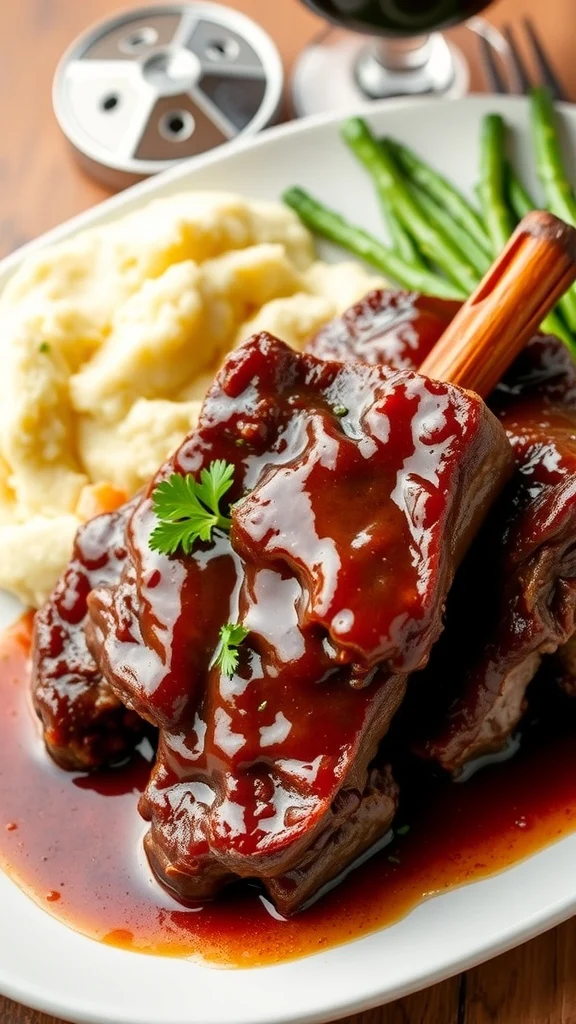
This recipe features beef short ribs that are seared and then slow-cooked with onions, garlic, and a savory broth until they are fork-tender. It takes about 8 hours in the slow cooker and serves 4 people. People often ask how to make beef short ribs tender, and the secret lies in the slow cooking process, which breaks down the tough connective tissues in the meat.