- Prepare the Chicken
Take your chicken out of the refrigerator and let it sit on the counter for about 10 minutes. Room temperature chicken cooks more evenly than cold chicken straight from the fridge. This small step prevents the outside from overcooking while the inside finishes.
Pat the chicken pieces completely dry with paper towels. This is crucial for getting good browning. Wet chicken steams instead of searing, and you'll miss out on that golden color and deeper flavor that comes from browning. Take an extra minute here because it really matters.
Cut the chicken into pieces roughly the same size, about one inch cubes. Uniform pieces cook at the same rate, preventing some from being overcooked while others are still raw in the middle. I usually cut each breast into about 8 to 10 pieces.
Season the chicken pieces with salt and pepper. Use your hands to toss everything together so the seasoning coats all sides. Don't skip this step even though there's soy sauce in the recipe. Seasoning the meat itself creates better flavor than only seasoning the sauce.
- Make the Sauce
In a medium bowl, combine the honey, soy sauce, minced garlic, and grated ginger if you're using it. Whisk everything together until the honey is fully incorporated and the mixture looks uniform. The honey wants to stay separate, so whisk vigorously for about 30 seconds.
In a small separate bowl or cup, mix the cornstarch with water to create a slurry. Stir it well until the cornstarch completely dissolves and there are no lumps. This slurry will be added later to thicken the sauce. Make sure to stir it again right before adding because cornstarch settles to the bottom quickly.
Taste the sauce mixture if you want, keeping in mind it'll taste more intense raw than it will when cooked and coating the chicken. It should taste sweet with a strong soy sauce presence and obvious garlic flavor. If it tastes too salty, add another tablespoon of honey. Too sweet, add more soy sauce.
- Cook the Chicken
Heat your largest skillet over medium high heat and add the vegetable oil. Let the oil heat for about a minute until it shimmers and moves easily when you tilt the pan. You can test if it's ready by dropping in a tiny piece of chicken. If it sizzles immediately, you're good to go.
Add the chicken pieces in a single layer, making sure they don't overlap. You might need to cook in two batches if your pan isn't large enough. Crowded chicken steams instead of browning, and you'll miss out on flavor and texture. Give each piece some personal space.
Let the chicken cook undisturbed for about 3 minutes. Resist the urge to move it around. You want a golden brown crust to form on the bottom. You'll know it's ready to flip when the pieces release easily from the pan. If they stick, give them another minute.
Flip each piece and cook the other side for another 3 to 4 minutes. The chicken should be cooked through with an internal temperature of 165°F. Cut into a piece if you're not sure. The meat should be white throughout with no pink remaining.
- Creating the Glaze
Once the chicken is fully cooked, reduce the heat to medium. Pour the honey garlic sauce over the chicken. It'll sizzle and smell absolutely incredible. Stir the chicken to coat all the pieces with sauce.
Let the sauce simmer for about 2 minutes, stirring occasionally. The sauce will start to reduce slightly and the raw garlic flavor will mellow. You'll see small bubbles forming around the edges. This is when the magic starts happening.
Give your cornstarch slurry a quick stir because it definitely settled while you were cooking the chicken. Pour it into the skillet while stirring constantly. Within about 30 seconds, you'll notice the sauce thickening dramatically. Keep stirring for about 2 minutes total until the sauce reaches the consistency of maple syrup.
The sauce should coat the back of a spoon and cling to the chicken pieces. If it's too thin, let it simmer another minute. If it's too thick, add a tablespoon of water and stir. Remove from heat as soon as it reaches the right consistency because it'll continue thickening slightly as it cools.
- Finishing Touches
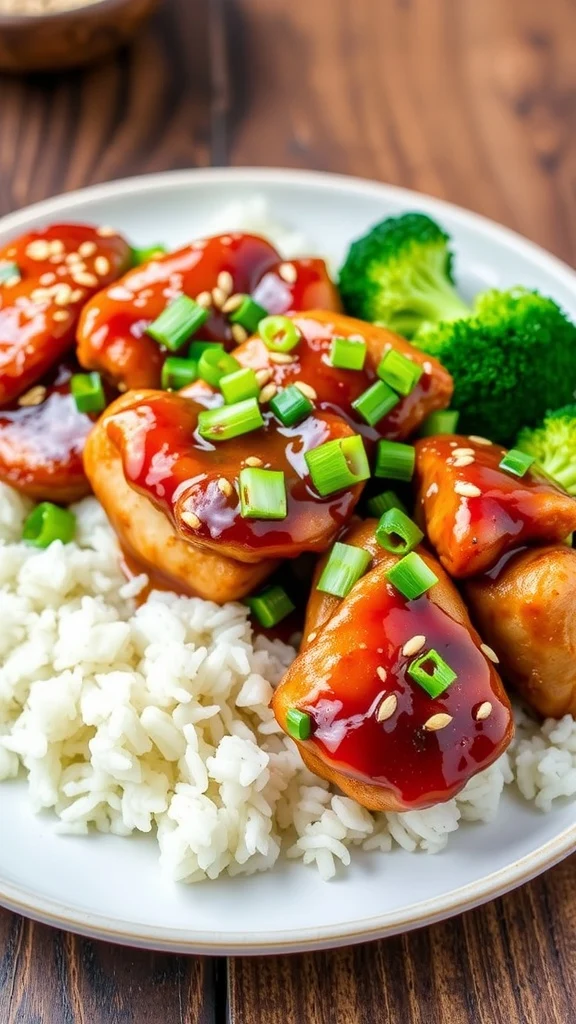
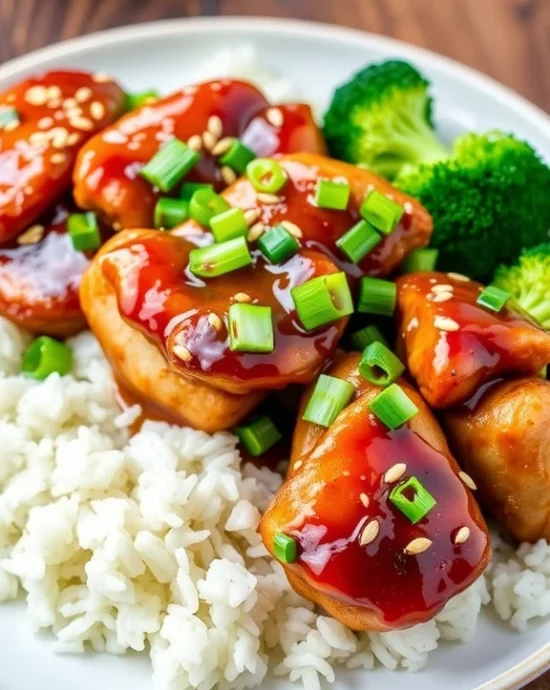
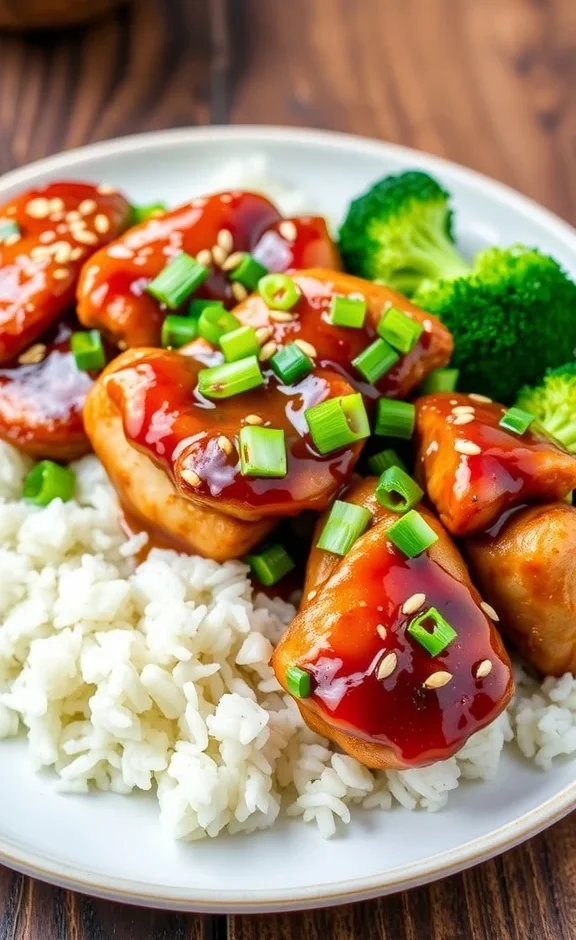
Transfer the honey garlic chicken to a serving plate or bowl. Drizzle any extra sauce from the pan over the top. That glossy, sticky sauce is liquid gold and you don't want to waste any of it.
Sprinkle chopped green onions over the chicken. The fresh, sharp flavor of raw green onion provides a nice contrast to the sweet sauce. Plus, the bright green color looks beautiful against the golden brown chicken.
Add a generous sprinkle of sesame seeds. They add a subtle nutty flavor and a nice textural crunch. White sesame seeds are traditional, but black sesame seeds look dramatic and taste the same. You could use a mix of both for visual interest.
Serve immediately while the chicken is hot and the sauce is at its glossiest. Honey garlic chicken is best right after cooking when the sauce is still perfectly sticky and the chicken is tender and juicy.
- Serve
Remove from heat and garnish with chopped green onions and sesame seeds. Serve hot with rice or noodles.
- Calories:320 kcals
- Fat:10 grams
- Proteins:25 grams
- Carbohydrates:30 grams
There I was, standing in my kitchen at 6:30 on a Wednesday evening, staring at chicken breasts and wondering how I’d messed up meal planning again. My kids would be home in thirty minutes expecting dinner, and I had exactly three ingredients that looked promising: chicken, honey, and garlic. That’s when something clicked in my tired brain. What if I just threw them all together and hoped for the best?
Twenty minutes later, my entire family was silent at the dinner table. Not the bad kind of silent where everyone’s trying to figure out how to politely avoid eating what you made. The good kind where mouths are too full to talk. My youngest finally looked up with sauce on their chin and said, “Can we have this every week?” That’s how I discovered honey garlic chicken, completely by accident while panicking about dinner.
Since that miraculous Wednesday, I’ve made this honey garlic chicken at least fifty times. I’ve tweaked the proportions, tested different cooking methods, and figured out exactly what makes it work. The beauty of this dish is its simplicity. You don’t need culinary school training or a pantry full of exotic ingredients. Just chicken, a few basic staples, and about thirty minutes from start to finish.
Why These Simple Ingredients Create Magic
Honey is the sweet foundation of this entire dish. Not all honey tastes the same, which surprised me when I started paying attention. Clover honey has a mild, classic honey flavor that works beautifully here. Wildflower honey brings more complexity with floral notes. Even orange blossom honey can add interesting citrus undertones. I usually grab whatever’s in my pantry, but if you want to get fancy, experiment with different varieties.
The thickness of honey matters too. Cold honey straight from the refrigerator is basically glue and won’t mix properly with the other sauce ingredients. Room temperature honey pours easily and incorporates smoothly. If your honey has crystallized, which happens naturally over time, warm the jar in hot water for a few minutes to liquify it again.
Garlic brings the savory punch that balances honey’s sweetness. Fresh garlic makes a huge difference compared to the jarred minced stuff or garlic powder. When you mince fresh garlic, you break cell walls and release oils that create that characteristic sharp, pungent aroma. Those oils mellow when cooked, becoming sweet and almost nutty. Four cloves might sound like a lot, but trust me, it’s perfect.
Soy sauce adds saltiness and that deep umami flavor that makes your taste buds sit up and pay attention. I use regular soy sauce, not low sodium, because the salt content is important for balancing the honey’s sweetness. If you only have low sodium, you might need to add a pinch of extra salt. Tamari works great if you’re avoiding gluten, and it actually has a slightly richer flavor than regular soy sauce.
Ginger is technically optional but highly recommended. Fresh ginger has this bright, slightly spicy quality that adds depth without heat. The zing cuts through the richness and keeps the sauce from tasting one dimensional. Grated ginger releases more juice and flavor than sliced or chopped. I use a microplane grater because it turns the ginger into a paste that distributes evenly.
Cornstarch thickens the sauce from a thin liquid into that gorgeous glossy coating that clings to the chicken. This is what creates that sticky, restaurant quality glaze. Without it, you’d just have chicken swimming in sauce. The cornstarch needs to be mixed with water first to create a slurry, which prevents lumps when you add it to the hot sauce.
Chicken breasts versus thighs is a personal choice. Breasts are leaner and cook faster but can dry out if overcooked. Thighs have more fat and stay juicier, plus they’re more forgiving if your timing isn’t perfect. I often use a mix of both because different family members have different preferences. Cut whichever you choose into roughly one inch pieces for even cooking.
Vegetable oil is neutral and has a high smoke point, making it ideal for cooking over medium high heat. You could use canola, peanut, or even light olive oil. Avoid extra virgin olive oil because its smoke point is too low and it can taste bitter when heated to high temperatures.
Understanding the Sweet and Savory Balance
The magic of honey garlic chicken lies in balancing opposing flavors. Honey brings sweetness, soy sauce brings saltiness, and garlic bridges both with its savory depth. When these three elements hit the right proportions, something almost alchemical happens. Your brain registers multiple flavors at once, keeping each bite interesting.
Too much honey makes the dish cloying and one dimensional. You’ll feel like you’re eating candy chicken, which sounds fun but gets old fast. Too much soy sauce tips it into salty territory and the honey can’t rescue it. The ratio I’ve landed on after many attempts is about 1.5 parts honey to 1 part soy sauce. This creates balance while letting both flavors shine.
Temperature affects how we perceive sweetness. Hot honey garlic chicken tastes less sweet than you’d expect from the amount of honey involved. As it cools, the sweetness becomes more pronounced. This is why the sauce might taste perfect when you’re cooking but seem sweeter as leftovers. Keep this in mind and trust the process.
Umami from the soy sauce and garlic creates that savory satisfaction that makes food taste complete. It’s why this simple dish tastes way more complex than its ingredient list suggests. Umami triggers receptors on your tongue that respond to glutamates, which are naturally present in soy sauce and develop in garlic as it cooks.
The slight bitterness from cooked garlic adds another layer to the flavor profile. Raw garlic is sharp and spicy. Cooked garlic becomes sweet and mellow with just a hint of bitterness that keeps things interesting. This subtle complexity prevents the dish from tasting flat despite the simple ingredient list.
The Science Behind the Sticky Sauce
When you heat honey, its sugars begin to caramelize. This creates new flavor compounds that taste richer and more complex than raw honey. The sauce darkens slightly and develops these deep, almost toffee like notes underneath the straightforward honey sweetness. This transformation is part of what makes cooked honey garlic sauce so much better than just drizzling raw honey on chicken.
Cornstarch works through a process called gelatinization. When starch granules are heated in liquid, they absorb water and swell. Eventually they burst, releasing starch molecules that thicken the surrounding liquid. This happens pretty quickly once the sauce reaches the right temperature, which is why you see the sauce thicken almost immediately after adding the cornstarch slurry.
The glossy appearance of the finished sauce comes from how light reflects off the gelatinized starch. It creates this beautiful sheen that makes food look appealing and restaurant quality. This is why Chinese restaurant sauces always look so shiny and gorgeous. Cornstarch also has a cleaner taste than flour, which can sometimes taste a bit raw or pasty.
Reducing the sauce concentrates flavors as water evaporates. If you let the sauce simmer for a few extra minutes, it becomes thicker and more intensely flavored. This is useful if you accidentally add too much liquid or want a stronger flavor. Just watch carefully so it doesn’t burn or become too thick.
Common Mistakes That Ruin Everything
Overcrowding the pan is mistake number one. When chicken pieces touch each other, they release steam that prevents browning. You end up with gray, sad chicken instead of golden brown pieces with actual flavor. Cook in batches if necessary, even though it takes longer.
Moving the chicken too much while it cooks prevents that golden crust from forming. Each time you move a piece, you interrupt the browning process. Let it sit still for the full three minutes before flipping. Practice patience even when your instinct is to fiddle.
Adding the cornstarch slurry too early means it’ll break down and lose its thickening power. Cornstarch stops working when it’s heated for too long or boiled too vigorously. Add it at the end and remove from heat soon after it thickens.
Using cold chicken straight from the fridge creates uneven cooking. The outside gets overdone while the inside struggles to reach a safe temperature. Take ten minutes to let it warm up slightly, it makes a real difference.
Skipping the step of patting chicken dry means you won’t get proper browning. Moisture is the enemy of the Maillard reaction, the chemical process that creates that delicious golden crust. Dry chicken equals better flavor and texture.
Not tasting the sauce before adding it means you can’t adjust for your preferences. Some soy sauces are saltier than others. Some honey is sweeter. A quick taste lets you balance things perfectly for your palate.
Storage and Meal Prep Success
Honey garlic chicken keeps well in the refrigerator for up to 4 days. Store it in an airtight container with any extra sauce. The chicken actually tastes even better the next day after the flavors have had time to hang out together.
Reheating requires a gentle approach. Microwave on 50% power for 1 to 2 minutes, stirring halfway through. High power makes the chicken rubbery. Alternatively, reheat in a skillet over medium heat with a splash of water to loosen the sauce.
For meal prep, I make a big batch on Sunday and portion it into containers with rice and vegetables. Grab one each morning for an easy lunch that’s way better than anything from a restaurant. The sauce keeps the chicken moist even after being refrigerated.
Freezing works but changes the texture slightly. The sauce may separate a bit when thawed. Freeze in portions for up to 2 months. Thaw overnight in the refrigerator, then reheat gently. Stir well to recombine the sauce.
The sauce thickens considerably when refrigerated. This is normal. When reheating, add a tablespoon or two of water to thin it back to the right consistency. Heat slowly and stir frequently to prevent sticking.
Flavor Profile That Hooks Everyone
The first bite of honey garlic chicken hits you with sweetness, but not the cloying kind that makes you regret life choices. It’s balanced sweetness that makes you reach for another bite. The honey caramelizes slightly during cooking, adding depth beyond plain sugar sweetness.
Next comes the savory soy sauce flavor with its characteristic umami richness. Your taste buds register this satisfying, almost meaty quality that makes food taste complete. The saltiness balances the honey perfectly, preventing sugar overload.
Garlic weaves through everything with its mellow, slightly sweet presence. Cooked garlic loses that sharp bite and becomes almost buttery. It adds complexity without shouting about it. You know it’s there but it plays nicely with the other flavors.
If you added ginger, you’ll notice a bright, fresh note that cuts through the richness. Ginger has this clean, almost citrusy quality that wakes up your palate. It prevents the dish from feeling heavy despite the sweet sauce.
The texture contrast between tender chicken and sticky sauce creates interest in every bite. The chicken should be moist and easy to chew. The sauce should coat everything with that signature glossy finish. When you bite down, the sauce mingles with the chicken in the most satisfying way.
Serving Suggestions That Complete the Meal
White rice is the classic accompaniment, and for good reason. The neutral flavor and fluffy texture provide the perfect backdrop for the bold sauce. The rice soaks up extra sauce like a delicious sponge. I usually make jasmine or basmati rice for their aromatic qualities.
Brown rice offers a nuttier flavor and more fiber if you’re going for something healthier. It takes longer to cook but pairs just as well with honey garlic chicken. The slightly chewy texture creates nice contrast with the tender chicken.
Fried rice turns this into an even heartier meal. Use day old rice for best results and add some vegetables for color and nutrition. The fried rice adds another layer of flavor and turns this from a chicken and rice dish into something more substantial.
Steamed broccoli brings color, crunch, and nutrition to the plate. The slight bitterness of broccoli contrasts beautifully with the sweet sauce. I usually drizzle some of the honey garlic sauce over the broccoli too because why not.
Snap peas or snow peas add sweetness and that satisfying snap when you bite into them. Stir fry them quickly in a separate pan with a little oil and salt. They take only a few minutes and elevate the whole meal.
Noodles work wonderfully instead of rice. Try lo mein noodles, rice noodles, or even regular spaghetti if that’s what you have. Toss them with some of the honey garlic sauce for flavor. The chicken sits on top, creating this saucy noodle situation that’s basically heaven.
A simple cucumber salad provides cool, crisp contrast to the rich chicken. Slice cucumbers thin, toss with rice vinegar, a pinch of sugar, and some salt. The acidity and crunch refresh your palate between bites.
Seasonal Variations Worth Exploring
Summer calls for grilling the chicken instead of pan frying it. Marinate the chicken in the honey garlic sauce for 30 minutes, then grill over medium high heat. Brush with extra sauce as it cooks. The char from the grill adds smoky depth to the sweet sauce.
Spring vegetables like asparagus and snap peas are perfect additions when they’re in season. Add them to the pan during the last few minutes of cooking so they stay crisp tender. Fresh spring vegetables bring brightness and color to the dish.
Fall means adding heartier vegetables like butternut squash or sweet potatoes. Roast them separately and serve alongside the honey garlic chicken. The natural sweetness of these vegetables echoes the honey in the sauce.
Winter is perfect for making this in larger batches for meal prep. The warming flavors and substantial protein feel comforting when it’s cold outside. Serve over mashed potatoes for an unexpected twist that’s surprisingly good.
Recipe Variations That Actually Work
Spicy honey garlic chicken adds heat to balance the sweetness. Mix in 1 to 2 teaspoons of red pepper flakes with the sauce, or add sriracha to taste. Start with less than you think because the heat intensifies as it cooks. You want warmth, not pain.
Orange honey garlic chicken incorporates citrus brightness. Replace half the honey with orange juice and add some orange zest. The citrus cuts through the richness and adds complexity. This version tastes lighter and brighter than the original.
Sesame honey garlic chicken amplifies the nutty flavor. Add 1 tablespoon of sesame oil to the sauce and increase the sesame seed garnish. The sesame flavor becomes much more prominent and creates an almost tahini like richness.
Pineapple honey garlic chicken brings tropical sweetness. Add fresh or canned pineapple chunks during the last few minutes of cooking. The fruit’s acidity balances the honey while adding juicy bursts of sweetness. This version feels fun and slightly fancy.
Bourbon honey garlic chicken is for adults who want complexity. Add 2 tablespoons of bourbon to the sauce. The alcohol cooks off but leaves behind caramel and vanilla notes that make the sauce taste more sophisticated. This is my favorite variation for dinner parties.
Lemon honey garlic chicken brightens everything up. Add the zest of one lemon and 2 tablespoons of lemon juice to the sauce. The acidity keeps things from feeling too heavy and adds a fresh quality. This version works great in spring and summer.
Understanding the Asian Fusion Approach
Honey garlic chicken isn’t traditional Chinese food, it’s Asian fusion created for Western palates. It takes inspiration from various Asian cuisines but adapts them to ingredients and flavors Americans enjoy. There’s nothing wrong with fusion food as long as you’re not claiming it’s authentic.
Traditional Chinese cooking uses honey in some dishes, particularly Cantonese cuisine. However, it’s usually balanced with other strong flavors like five spice or fermented black beans. American style honey garlic chicken simplifies the flavor profile for broader appeal.
Japanese teriyaki shares some similarities with honey garlic chicken. Both use sweet soy based sauces that coat grilled or pan fried meat. The difference is teriyaki uses mirin and sake for complexity, while honey garlic chicken keeps things simple.
Korean cooking has a similar concept in dishes like yangnyeom chicken, which features sweet and spicy sauce coating fried chicken. The approach of combining sweet and savory with sticky sauce appears across many Asian cuisines in different forms.
The beauty of fusion cooking is taking inspiration from multiple traditions and creating something new that works. Honey garlic chicken may not be authentic to any one cuisine, but it’s delicious and that’s what matters most.
Why This Recipe Works for Busy Weeknights
The total time from start to finish is about 30 minutes. That’s faster than ordering takeout and waiting for delivery. You can have homemade dinner on the table in the time it takes to stream one TV episode.
The ingredient list is short and straightforward. Nothing exotic or hard to find. Most people already have everything in their pantry except maybe the fresh ginger. Even that’s optional if you don’t have it.
Active cooking time is minimal. Once the chicken is in the pan, you’re just stirring occasionally and making the sauce. You can prep vegetables or set the table while the chicken cooks. Efficiency matters on busy nights.
Cleanup is easy because everything happens in one pan. One cutting board, one bowl for sauce, one pan. The whole cleanup takes maybe 10 minutes. Easy cleanup makes you more likely to cook at home regularly.
The recipe scales easily for different family sizes. Cooking for two, Halve everything. Feeding six, Double it. The proportions work at any scale as long as you don’t crowd your pan while cooking.
Equipment That Makes Life Easier
A large skillet with at least 12 inches of cooking surface is ideal. You want room for the chicken pieces to spread out without touching. Cast iron holds heat beautifully and creates excellent browning. Stainless steel works great too. Non stick is fine but won’t brown quite as well.
A good chef’s knife makes cutting chicken much easier and safer. Dull knives are actually more dangerous because they slip instead of cutting cleanly. Keep your knife sharp and your fingers will thank you.
Measuring spoons and cups ensure accuracy, especially when you’re making this recipe for the first time. Once you’ve made it a few times, you can eyeball measurements. But start with accuracy to get the proportions right.
A whisk incorporates the honey into the sauce better than a fork or spoon. The wires break up the honey and distribute it evenly. You can use a fork in a pinch, but a whisk works better.
Tongs make flipping chicken pieces easier than a spatula. You can grab each piece individually and position it exactly where you want. They also keep your hands farther from the hot pan.
An instant read thermometer takes the guesswork out of doneness. Chicken needs to reach 165°F to be safe. Thermometers are cheap and prevent both undercooking and overcooking.
Troubleshooting When Things Go Sideways
If your sauce won’t thicken, make sure you used cornstarch, not flour. They’re not interchangeable here. Also check that you mixed it with cold water before adding. If it’s still thin, mix another teaspoon of cornstarch with a tablespoon of water and add it.
Sauce that’s too thick needs more liquid. Add water one tablespoon at a time, stirring after each addition. The sauce should coat the chicken nicely but still be pourable. You want sticky, not gummy.
Chicken that’s dry means you overcooked it. Use a thermometer next time and remove it from heat at exactly 165°F. The carryover heat will finish cooking it perfectly. Also consider using thighs instead of breasts because they’re more forgiving.
Burned garlic tastes bitter and ruins the whole dish. If you accidentally burn the garlic, start over with fresh garlic. There’s no saving it. To prevent this, add garlic with the sauce rather than cooking it separately in oil.
Sauce that tastes too sweet needs more soy sauce or a splash of vinegar. Add it gradually, tasting as you go. Rice vinegar works best because it’s mild. Apple cider vinegar also works.
If the dish tastes flat and boring, you probably under seasoned the chicken before cooking. Next time be more generous with salt and pepper on the meat itself. You can also add a pinch of salt to the finished dish.
The Perfect Rice Matters More Than You Think
Long grain rice like jasmine or basmati cooks up fluffy with separated grains. This texture pairs perfectly with saucy dishes because the grains don’t clump together. Each grain stays distinct and coats with sauce individually.
Short grain rice is stickier and clumps more, which some people prefer. It’s traditional for Japanese and Korean meals. The sticky texture makes it easier to eat with chopsticks. Use whatever your family prefers.
The rice to water ratio matters for good results. For white rice, use 1 cup rice to 1.5 cups water. Brown rice needs more water, usually 1 cup rice to 2 cups water. Follow your rice cooker instructions if you have one.
Rinsing rice before cooking removes excess starch and prevents gummy texture. Put rice in a bowl, cover with water, swish around, and drain. Repeat until the water runs mostly clear. This takes maybe two minutes and really improves the final texture.
Let cooked rice rest for 5 minutes after cooking before fluffing with a fork. This allows any remaining moisture to distribute evenly. Fluff gently to separate the grains without mashing them.
Garnishes That Elevate Presentation
Green onions add fresh, sharp flavor and bright color. Use both the white and green parts, sliced thin. They provide textual contrast to the soft chicken and make everything look more appealing. The mild onion flavor complements without overpowering.
Sesame seeds add nutty flavor and visual interest. Toast them in a dry pan for a minute to intensify their flavor. They’ll smell amazing when toasted. Sprinkle generously because they’re not just decoration, they actually add flavor.
Fresh cilantro works if you like it, though it’s not traditional. Some people love cilantro, others think it tastes like soap due to genetics. Know your audience before adding it. Parsley works as a neutral green garnish.
Red pepper flakes add a pop of color and hint of heat. Just a small pinch looks pretty and adds subtle spice. People who want more heat can add extra from a shaker at the table.
Lime wedges on the side let people add brightness and acidity to taste. A squeeze of fresh lime juice cuts through the richness and adds freshness. This is especially good if the dish is feeling too heavy or sweet.
Wine and Beverage Pairings
For wine lovers, off dry Riesling works beautifully with honey garlic chicken. The slight sweetness echoes the honey while the acidity balances the richness. German Riesling is traditional but domestic versions work too.
Gewürztraminer has enough body and aromatics to stand up to the bold flavors. Its lychee and rose petal notes complement the Asian inspired dish. Choose one that’s slightly sweet rather than bone dry.
If you prefer red wine, go for something light and fruity like Pinot Noir. Heavy, tannic reds clash with the sweet sauce. Pinot Noir has enough body to handle chicken but won’t fight the sauce.
Beer pairs wonderfully, especially something light and crisp. Japanese lagers like Sapporo or Asahi are obvious choices. Even a regular American lager works because you want something refreshing that cleanses your palate.
Green tea provides a non alcoholic option that fits the Asian theme. The slight bitterness cuts through the sweet sauce nicely. Serve it hot or iced depending on the weather and your preference.
Sparkling water with lemon or lime offers refreshing contrast without adding more flavors to compete with the food. Sometimes simple hydration is all you need to complement a flavorful meal.
Making It Kid Friendly
Most kids love honey garlic chicken because it’s sweet and familiar. The sauce reminds them of chicken nuggets or teriyaki, which are usually safe bets. Cut the chicken into smaller pieces if you’re serving young children.
Reduce the garlic slightly if your kids are sensitive to strong flavors. Use three cloves instead of four. You’ll still get garlic flavor but it won’t be as pronounced. They probably won’t even notice the reduction.
Serve deconstructed with sauce on the side for picky eaters. Let them dip rather than coating everything with sauce. This gives them control and makes them more likely to try it. They might actually use more sauce when they can control the amount.
Make it a fun dinner by serving everything in bowls and calling it a honey chicken bowl. Kids respond to presentation and names. The same food feels more special when it’s called something fun and looks appealing.
Involve kids in cooking when possible. Let them measure honey, stir the sauce, or sprinkle garnishes. Kids are more likely to eat food they helped prepare. Plus it teaches valuable skills.
My Final Thoughts on This Recipe
After making honey garlic chicken countless times, I’ve come to appreciate how a few simple ingredients can create something this satisfying. You don’t need complicated techniques or expensive equipment. Just good ingredients, proper timing, and attention to detail.
This recipe has become my emergency dinner solution. The one I make when I’m tired, unprepared, and need something that’ll make everyone happy. It works every single time without fail. That reliability makes it invaluable in my cooking rotation.
The versatility keeps things interesting even though I make it regularly. Sometimes it’s served over rice, other times with noodles. Add different vegetables, adjust the spice level, throw in some citrus. The basic recipe provides a foundation for endless variations.
What I love most is how this dish makes people happy. There’s something universally appealing about sweet, savory, sticky sauce coating tender chicken. It hits all the right notes and satisfies in a way that feels both comforting and special.
Making food at home means you control everything from ingredient quality to portion size. This honey garlic chicken costs a fraction of takeout, tastes better, and you know exactly what went into it. That matters more as I get older and pay more attention to what I eat.
So grab your skillet and get that chicken started. In thirty minutes, you’ll have dinner that looks impressive, tastes amazing, and required minimal effort. That’s the kind of cooking we all need more of in our lives.