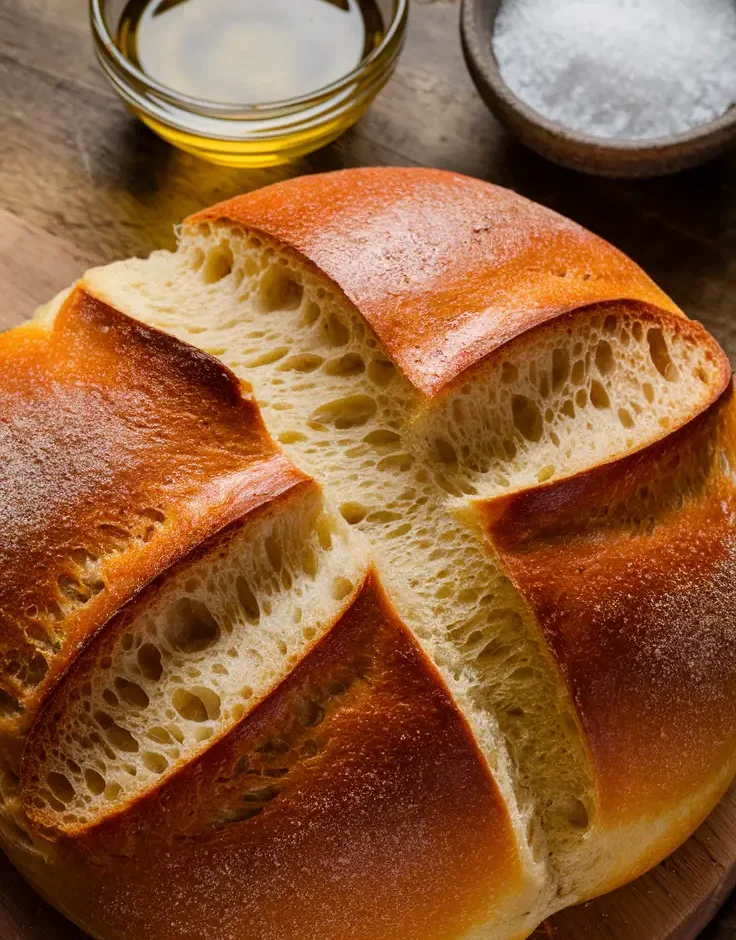
There is a particular satisfaction in pulling a loaf from your oven that has nothing to do with saving money or eating better, though it does both. It is the smell of it. The weight of it in your hands. The fact that you made something that felt impossible until the day you actually tried it. Easy homemade breads have a reputation for being complicated, high-maintenance, and prone to failure. That reputation is mostly wrong. Most bread recipes ask for a few basic ingredients, a little patience, and one or two techniques that once you understand them, you will never forget.
This collection covers the full range: crusty loaves with a shatteringly good crust, soft rolls that pull apart at the dinner table, flatbreads you can have ready in under 20 minutes, and long-fermented sourdoughs that reward the extra time. Some of these take 15 minutes of active work. Some take an afternoon. All of them are written with the technique notes that most recipes skip, because knowing why a step matters is the difference between baking with confidence and baking with your fingers crossed.
If you have never made bread before, start here. If you have been baking bread for years and you still sometimes end up with a dense brick, there is something here for you too.
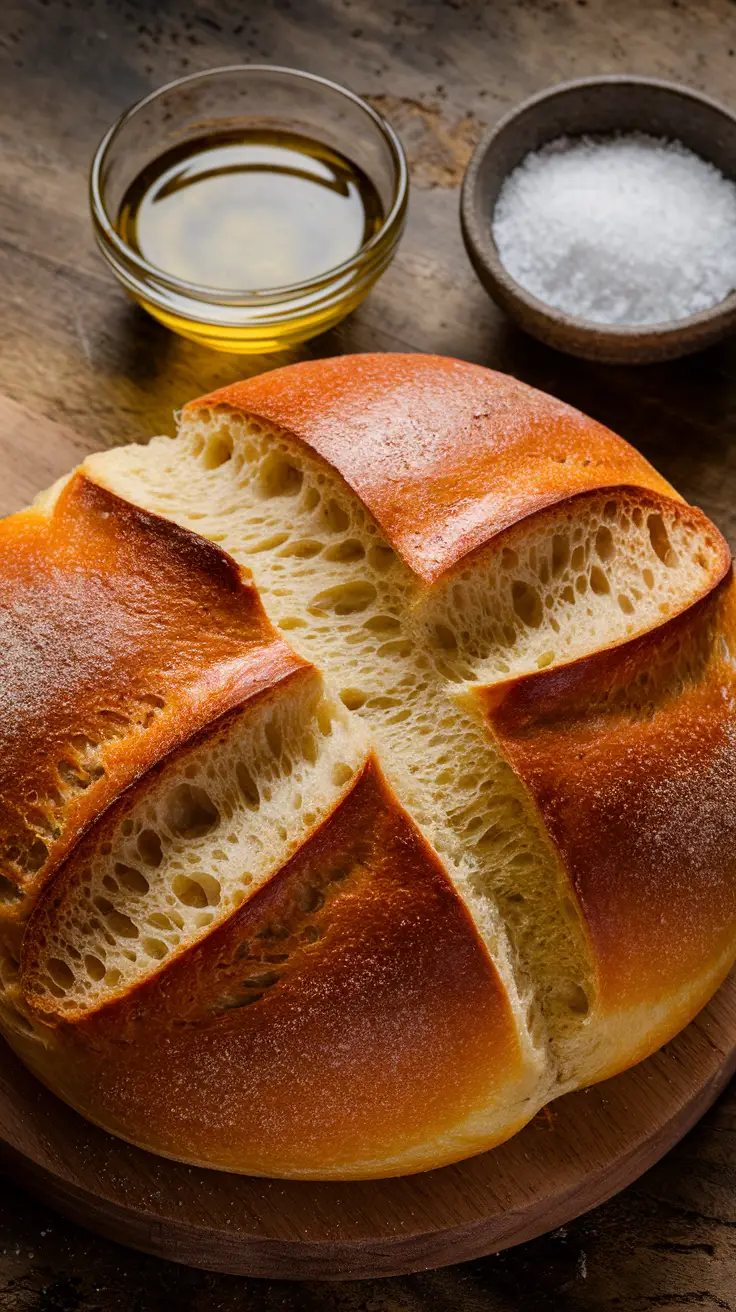
What Easy Homemade Bread Actually Means
Easy homemade bread does not mean bread that requires no skill. It means bread that does not require equipment you do not own, ingredients you cannot find at a regular grocery store, or techniques that take years to develop. The recipes in this category are genuinely accessible. Most need nothing more than flour, water, yeast, and salt. The effort is modest. The results are not.
This category includes yeast breads, quick breads, flatbreads, and slow-fermented options. What they share is that a home cook with a standard oven, a baking sheet or Dutch oven, and a few hours can make them successfully. The category does not include specialty breads that require professional steam-injection ovens, obscure heritage flours, or preferment schedules that span multiple days without clear instructions.
The Best First Loaf for New Bread Bakers
If you are starting from zero, make the artisan bread first. It requires no stand mixer, no kneading, no shaping experience. You stir four ingredients together, cover the bowl, and let time do the work. The loaf bakes inside a Dutch oven that creates its own steam environment, which is how you get that bakery-quality crust without any special equipment. The active time is under 10 minutes. The total time is a few hours, most of which you spend doing something else entirely.
This is the recipe that convinces people bread is not as difficult as they assumed. Once you have made it once, every other bread on this page gets easier.
How Homemade Bread Actually Works
Bread is a chemical process more than a culinary one, and once you understand the mechanics, the recipes stop feeling like a mystery.
Gluten is the starting point. When water meets flour, two proteins in the flour (glutenin and gliadin) bond and form gluten strands. These strands trap gas bubbles produced by the yeast, and that gas is what makes bread rise. Kneading develops and aligns the gluten network. No-knead methods achieve the same result through a long, slow rest, because time does what hands would otherwise do.
Yeast eats sugar and produces carbon dioxide. That carbon dioxide gets trapped in the gluten network and the dough expands. In a warm kitchen, yeast works faster. In a cold refrigerator, it works slowly over many hours, developing flavor compounds along the way. This is why overnight cold fermentation produces bread that tastes noticeably better than bread that rises for one hour at room temperature. Both work. They are not equal.
The crust forms through two processes. First, the surface of the dough dries in the oven and begins to set. Second, steam in the early stages of baking keeps that surface soft and extensible long enough for the bread to expand fully before the crust hardens. This is why so many artisan loaf recipes call for a covered Dutch oven or a pan of hot water in the oven. Without steam, the crust sets too early, the loaf cannot expand, and you end up with a dense interior and a thick, pale crust. With steam, the surface stays pliable, the loaf opens up, and the crust goes deeply golden once you remove the lid or pan of water.
The internal temperature matters. Most wheat bread is done at 190°F to 200°F in the center. A digital thermometer is a more reliable indicator than the hollow knock test most recipes suggest, because the knock test varies too much between individuals.
For flatbreads like naan, none of this complexity applies. Flatbreads cook at high heat in minutes, the gluten is developed by hand in seconds, and there is no proofing period to manage. They are an excellent entry point for understanding how dough feels without committing to a two-hour project.
According to King Arthur Baking’s bread chemistry guide, the most common cause of dense homemade bread is under-fermentation, not over-mixing or the wrong flour. The dough did not have enough time to develop the gas structure that lifts it. More time, not more intervention, is usually the fix.
Yeast Bread vs Quick Bread: Which One to Make
Yeast bread is worth more of your time. That is the direct answer.
Quick breads use baking powder or baking soda instead of yeast. They require no rise time, mix together in minutes, and go straight into the oven. Banana bread is a quick bread. Soda bread is a quick bread. They are reliable and fast, and the crumb is tender, but the flavor is flat compared to a yeast bread that has had time to ferment. The difference in depth of flavor is significant enough that they are not really the same product. They happen to use the same ingredients.
Yeast breads take longer because the yeast needs time to do its job. But most of that time is hands-off. You are not standing at a counter for two hours. You are waiting for an hour, shaping for five minutes, then waiting again. The active work in a loaf like the French baguette or the Italian bread is genuinely modest. The total time is longer, but your investment of actual attention is not.
Choose a quick bread when you need something in under an hour and flavor complexity is not the priority. Choose a yeast bread when you have the afternoon and you want bread that tastes like bread.
Flour, Yeast, and Equipment: What You Actually Need
Bread flour versus all-purpose flour is the question that trips up most new bakers. Bread flour has a higher protein content, typically 12 to 14 percent versus 10 to 12 percent for all-purpose. Higher protein means more gluten, which means better structure and a chewier crumb. For crusty loaves and sandwich breads, bread flour produces a noticeably better result. For flatbreads, all-purpose works perfectly well because the gluten network does not need to trap gas for a sustained rise.
Yeast comes in three forms: active dry, instant, and fresh. Instant yeast is the most forgiving and the most practical for home bakers. It does not need to be proofed in water before using, it activates faster, and it stays alive in the refrigerator for months. Active dry yeast works fine but is slightly slower. Fresh yeast is excellent but perishable and harder to find. If a recipe calls for one type and you have another, a simple conversion: 1 teaspoon of instant equals roughly 1.25 teaspoons of active dry.
Equipment: you need less than you think. A Dutch oven or heavy lidded pot is the most useful tool you can own for bread baking, and it is the only piece of equipment that genuinely changes outcomes. It creates a steam environment inside the pot during the early minutes of baking, mimicking a professional steam-injection oven. If you do not own one, a baking sheet with a pan of boiling water on the rack below will do a reasonable approximation.
A bench scraper, a kitchen scale, and a digital thermometer are useful. A stand mixer helps but is never required for the breads in this collection.
When to Make Which Bread
Bread baking is a year-round activity but the seasons shape which type makes sense.
Winter is the natural bread season. Long cold weekends are when the sourdough sandwich bread earns its reputation, because the patience required to ferment it slowly fits the pace of staying indoors. Crusty loaves pair with the soups and stews that define cold-weather cooking. If you are making a pot of soup from the soup and chowder collection, a loaf of crusty bread baked in the same afternoon is not extra effort. It is the same afternoon.
Spring and summer favor flatbreads. Naan cooks on the stovetop in minutes and produces no sustained oven heat in the kitchen. Focaccia fits the warmer months too because it bakes flat, it feeds a crowd easily, and the no-knead focaccia works as a base for toppings that shift with what is available. Cherry tomatoes in summer. Rosemary and olives year-round.
Holidays and gatherings call for rolls. Crescent roll dough is the answer to a dinner table where bread needs to be present but you also need to manage twelve other things. They proof and bake in a fraction of the time of a full loaf, they look like you made an effort, and they hold well if the meal runs a little late.
For weeknight baking when you want something in under an hour, flatbreads are the practical answer. For weekend projects when the payoff of a genuine loaf is worth the time, any of the yeast breads in this collection deliver.
Troubleshooting: What Went Wrong and How to Fix It
The Bread Did Not Rise
This is the most common failure and it nearly always comes down to yeast. Either the yeast was dead before it went into the dough, the water was too hot and killed it, or the rise environment was too cold for the yeast to activate properly. Water temperature for yeast should sit between 100°F and 110°F. Hotter than 115°F kills yeast reliably. Colder than 85°F slows it to a crawl. If you suspect your yeast is old, dissolve a teaspoon of it in warm water with a pinch of sugar and wait 10 minutes. If it does not foam, the yeast is dead and the batch is not salvageable at that point.
The Crust Is Pale and Soft Instead of Golden and Crisp
The oven was not hot enough, there was not enough steam in the early stage, or the bread came out too soon. Crusty breads need a genuinely hot oven, typically 450°F to 500°F. If your oven runs cool, give it an extra 15 minutes to preheat. The Dutch oven method solves the steam problem automatically. If you are baking without a Dutch oven and the crust is still soft, place a metal pan with a cup of boiling water on the bottom rack when you put the bread in.
The Interior Is Gummy or Dense
Gummy interiors mean the bread was either underproofed (the dough did not have enough time to ferment and develop its structure), underbaked (the center is still raw), or cut too soon after baking. Bread continues to cook internally on the cooling rack. Cutting into a hot loaf releases steam and the crumb collapses into a gummy texture. Wait at least 30 minutes. For large loaves, wait an hour. If the interior is genuinely underbaked, return it to the oven at 375°F for 10 to 15 minutes after removing the Dutch oven lid.
The Dough Is Too Sticky to Shape
Resist the instinct to add flour until the dough feels dry. Most bread doughs should feel slightly tacky. A wet dough produces a more open, light crumb. Adding too much flour tightens the gluten structure and produces a dense, heavy loaf. Work with a lightly floured surface, use a bench scraper to manage the dough without adding more flour, and trust that a sticky dough is not a failed dough.
What is the easiest bread to make at home for beginners?
No-knead artisan bread is the easiest starting point. It uses four ingredients, requires no kneading or shaping experience, and the recipe is forgiving of timing variations. The baking method inside a covered Dutch oven manages most of the technical challenges automatically, including steam and even heat distribution. Total active time is under 15 minutes. The artisan bread on CrispyGlaze follows this method and includes technique notes for every stage.
Can I make homemade bread without yeast?
Yes. Quick breads use chemical leaveners like baking soda or baking powder to create lift without fermentation. Soda bread is the classic example: flour, buttermilk, baking soda, and salt. The texture is denser and the flavor is less complex than a yeast bread, but it comes together in under an hour with no waiting. Flatbreads like naan can also be made with baking powder instead of yeast, which is how the naan recipe is structured for speed.
How long does homemade bread stay fresh?
Most homemade bread is at its best within the first 24 hours and holds reasonably well for two to three days at room temperature, stored cut-side down or wrapped loosely in a clean towel. Plastic bags trap moisture and soften the crust quickly, which is fine if you prefer a soft crust and want the bread to last a day longer. Freezing works well for most loaves: slice first, freeze flat, then transfer to a bag. Pull slices directly from the freezer and toast without thawing.
What flour is best for homemade bread?
Bread flour produces the best results for yeast breads because of its higher protein content, which builds a stronger gluten network and a chewier crumb. All-purpose flour works for most recipes and is a reasonable substitute in any recipe that does not explicitly rely on that chew. For flatbreads and quick breads, all-purpose is standard. According to the USDA wheat grain reference, hard wheat varieties used in bread flour have protein levels that directly affect dough extensibility and loaf volume.
How do I get a crispy crust on homemade bread?
Three things produce a crispy crust: high heat, steam in the early stage of baking, and enough time in the oven for the crust to dry out fully. A Dutch oven handles the steam automatically. If you are not using one, add a pan of boiling water to the bottom rack for the first 15 to 20 minutes, then remove it to let the crust develop color and crispness. The bread should sound hollow when tapped on the bottom. If it does not, give it another five minutes.
Why does my homemade bread taste bland?
Salt and fermentation time are the two biggest flavor factors in bread. Most recipes call for about two percent salt by weight relative to flour, and going below that produces noticeably flat-tasting bread. Beyond salt, time is the other variable. A longer, slower rise at cooler temperatures develops more flavor compounds in the dough than a fast rise at room temperature. A dough that proofs overnight in the refrigerator will taste more complex than the same dough proofed for one hour on the counter, even with identical ingredients.
All Easy Homemade Breads Recipes on CrispyGlaze
Every recipe below is tested, written with full technique notes, and organized so you can find what you need without guessing.
Artisan Bread — A no-knead, four-ingredient loaf baked inside a Dutch oven that produces a shatteringly crisp crust with under 10 minutes of actual hands-on work.
Crusty Bread — A simple, high-heat loaf built for pairing with soups and stews, with a firm golden crust and an open, airy interior.
Sourdough Sandwich Bread — A long-fermented, naturally leavened loaf with a soft, sliceable crumb and a depth of flavor that standard sandwich bread cannot match.
French Baguette Recipe — Thin, crackly-crusted baguettes made at home in 25 minutes of bake time, with the characteristic chewy crumb that makes them worth every step.
Italian Bread Recipe — A classic Italian loaf with a soft interior and a lightly crisped crust, made with a two-hour rise that builds the flavor the quick versions skip.
No Knead Focaccia Recipe — A flat, olive-oil-rich focaccia that requires no shaping skill, bakes in 25 minutes, and works as a side, a base, or a snack on its own.
Naan Recipe — Soft, slightly charred flatbreads cooked on the stovetop in under 20 minutes, with a chewy pull that holds up to dipping, wrapping, or eating straight off the pan.
Crescent Roll Dough — Buttery, pull-apart dinner rolls made from scratch with 15 minutes of prep, built for weeknight meals or holiday tables where bread needs to arrive fast.
Closing:
The one thing that actually separates good homemade bread from mediocre homemade bread is not the recipe. It is time. Give the dough more time than you think it needs, resist the urge to cut the loaf too soon, and let the oven run hot enough to build a real crust. Most bread failures happen in the last ten minutes of baking, not the first two hours of preparation. What is the first bread you are going to try from this list?