The best party appetizers are the ones that are already done when the first guest walks through the door. Not being assembled. Not “just finishing up.” Done. Sitting in the fridge, covered, waiting while you change your shirt and actually enjoy the fact that people are coming over. Make-ahead appetizers for parties are not a workaround for the disorganized host. They are the smart approach, full stop, and they have been the difference between a relaxed gathering and a kitchen-sprint disaster more times than most cooks will admit.
Most people treat party food as inherently last-minute. You pull the crackers out twenty minutes before arrival, you are slicing things at the counter while the doorbell rings, someone opens a bag of something because the real food is not ready yet. That is not a hosting strategy. That is just hoping for the best and calling it a plan.
Here is what actually works: understand which foods improve with resting time, build your menu around those, and save your oven for one warm anchor item timed to come out about twenty minutes after guests arrive. The rest runs itself. This guide covers the technique, the decisions, and every specific problem that comes with cooking ahead for a crowd, plus all thirteen of the make-ahead party appetizer recipes on CrispyGlaze with notes on when and how to prep each one in advance.
What “Make-Ahead” Actually Means for Party Food
Make-ahead is not a single category. It is a time relationship between the cook and the finished dish.
Some appetizers are fully complete and need nothing at party time except to be placed on a board. Others are ninety percent done and require only a final step, like ten minutes in a hot oven or a drizzle of something over the top before serving. Both qualify. The useful definition is not whether the dish is technically finished, but whether you can be completely away from the kitchen when your guests are present.
For finger foods for parties at any real scale, meaning twenty guests or more, the math on same-day cooking gets punishing fast. One batch of stuffed mushrooms takes twenty minutes of prep. Three batches takes an hour, before a single mushroom touches the oven. That hour needs to exist somewhere in your week before the party, and the only way to find it is to plan backward from the start time and make deliberate choices about what gets cooked when.
Featured Recipe: Cranberry Brie Bites
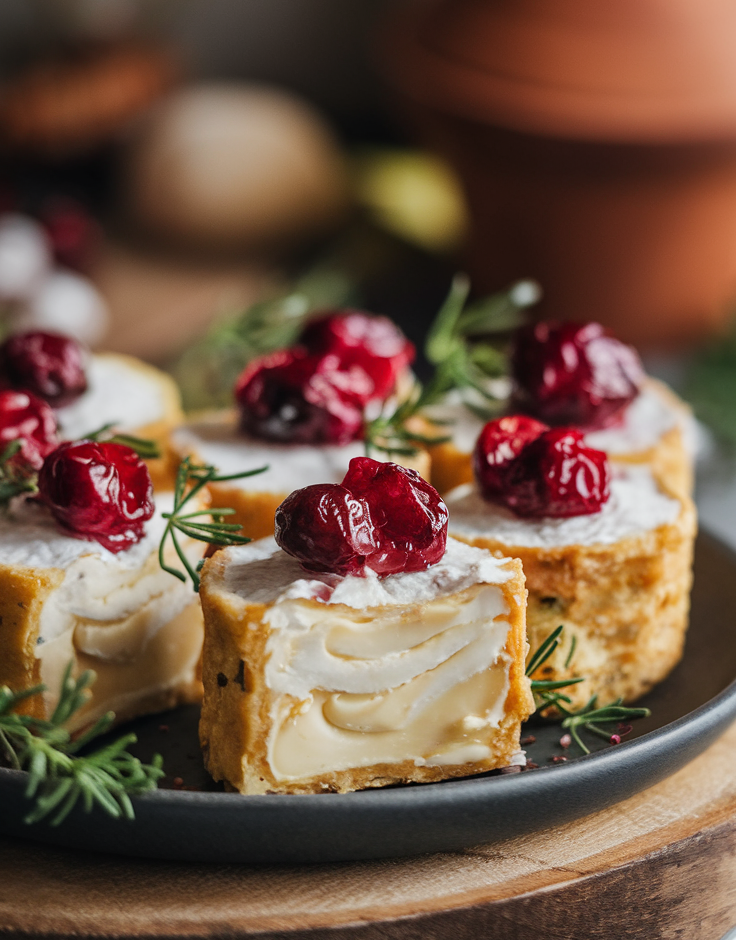
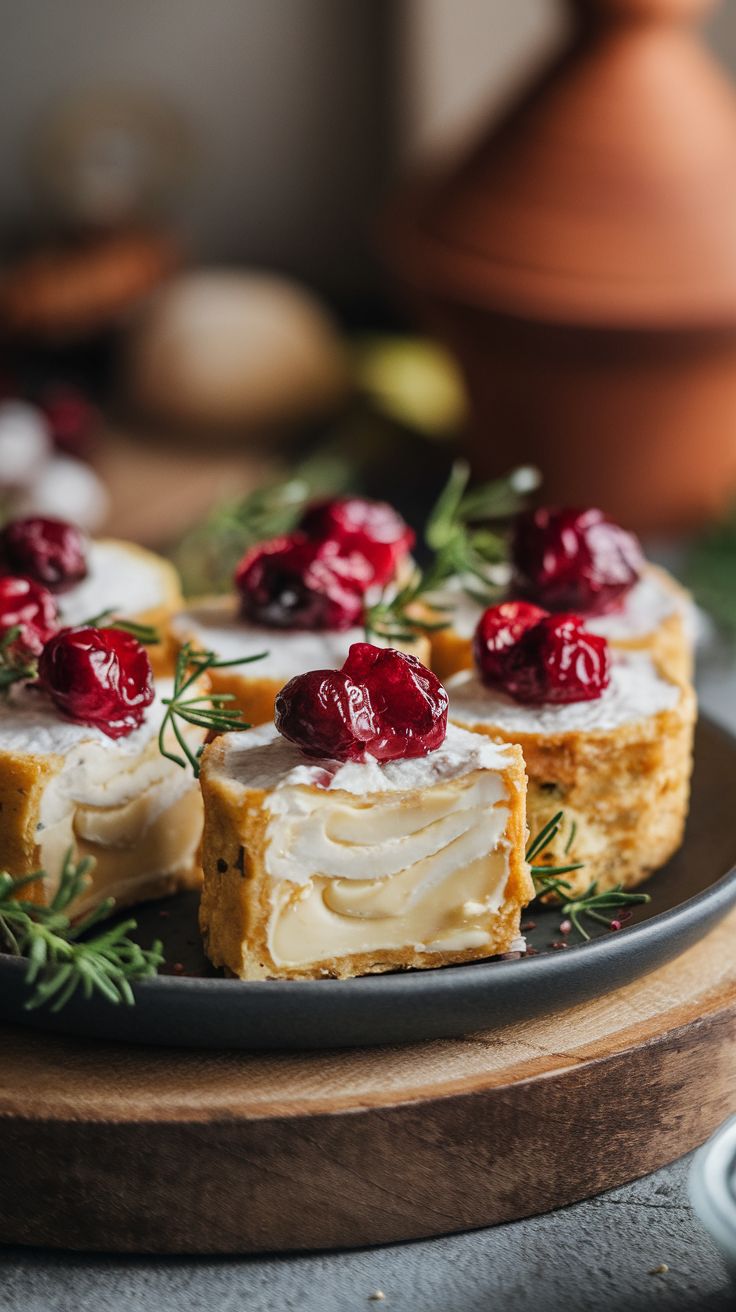
If there is one recipe that makes the case for make-ahead party food better than any other, it is the Cranberry Brie Bites. Crescent dough pressed into a mini muffin tin, a cube of brie tucked inside, a spoonful of cranberry sauce on top. The entire thing can be assembled raw the morning of the event, covered in plastic wrap, and refrigerated until thirty minutes before guests arrive. They bake at 375°F for about fifteen minutes and come out golden and puffed, with the brie melted and the cranberry caramelized around the edges. The contrast of the flaky pastry, warm cheese, and tart fruit is what gets people asking for the recipe. And you made them six hours ago.
How to Build a Make-Ahead Party Menu That Actually Works
The reason most cooks do not plan properly has nothing to do with laziness. It is that they underestimate the total time consumed by cooking at crowd scale and then try to solve it on the day, which never works. Planning backward is the only method that reliably produces a calm host and food that is ready on time.
Start the week before with two lists. The first list is everything that can be made two days out or longer. Dips, cheese balls, and anything that requires chill time to set belong here. The Cranberry Pecan Cheese Ball and the Bacon Cheese Ball both require refrigeration time before they are ready to serve, which means making them a day ahead is not a shortcut. It is following the recipe correctly and saving yourself effort on the day of the party. Both balls can be shaped, rolled in their coatings, wrapped tightly in plastic wrap, and refrigerated for up to three days without any drop in quality.
The second list is everything that gets assembled or prepped the day before but finishes on the day. The stuffed mushroom recipes fall into this category. The Red Lobster Stuffed Mushrooms and the Olive Garden Stuffed Mushrooms can both be filled the night before and covered on their sheet pans in the refrigerator. On the day of the party, they go straight from the fridge to a 375°F oven. You do not even need to let them come to room temperature. Add five extra minutes to the bake time and they come out just as good as if you had prepped them that afternoon.
Pastry-based bites follow the same logic. The Cranberry Brie Bites and the Baked Brie Crescent Rolls both go into the muffin tin or onto the sheet pan assembled and raw, then straight into the fridge. They bake fresh and come out tasting like you made them that minute, because you technically did. The advance work was the assembly. The baking is the easy part.
Dips occupy a different timing category. The Buffalo Chicken Dip, the Hot Crab Dip, and the Cheese Crab Dip can all be mixed and transferred to their baking dishes the night before, covered, and refrigerated. On the day of the party, they go into the oven or slow cooker without any additional prep. The flavors actually improve overnight because the cream cheese has time to absorb the seasonings and the other ingredients have time to settle into each other.
The Sausage Balls and the Bacon Wrapped Chicken Bites both benefit from a slightly different approach: cook them fully the morning of the party, let them cool on a wire rack, and reheat them at 375°F for ten to twelve minutes when guests arrive. They hold up to this treatment much better than most cooks expect, and the exterior stays dry enough that reheating at a proper temperature brings them back close to fresh rather than leaving them steamed and sad.
One note on freezer-friendly items that comes up frequently in home entertaining: Sausage Balls are among the best options available for freeze-ahead preparation. Bake a full batch, cool completely, freeze on a sheet pan until solid, then transfer to freezer bags. The night before the party, move them to the refrigerator to thaw. Reheat at 375°F for fifteen minutes on a wire rack. They taste almost identical to freshly baked, and you bought yourself an entire prep session weeks before the party was even finalized. According to the USDA Food Safety and Inspection Service, cooked meat and poultry products keep safely in the freezer for two to six months, which gives you plenty of runway.
Cold Appetizers vs Warm Appetizers: The Honest Breakdown
For a make-ahead party menu, prioritize cold appetizers. That is the direct answer.
Cold appetizers give you a window that warm appetizers simply do not offer. You can make them Thursday, refrigerate them, plate them Friday evening, cover the plates in plastic wrap, and uncover them Saturday night when the first guests arrive. There is no timing pressure, no risk of something being too hot or not hot enough, no second trip to the kitchen at the moment you least want to be there. That flexibility does not exist with warm food, and the difference between a relaxed host and a frantic one is usually one too many warm items on the menu.
The strongest cold options in the CrispyGlaze collection are the cheese balls. Both the Cranberry Pecan Cheese Ball and the Bacon Cheese Ball are served at room temperature or slightly chilled, take well under thirty minutes of hands-on preparation, and scale cleanly for larger groups. One ball with a full spread of crackers, sliced baguette, and raw vegetables serves eight to twelve people comfortably. Two balls, one sweet and one savory, cover a party of twenty-five without effort.
Warm appetizers require active management. Something goes into the oven at a specific time, comes out at a specific temperature, and needs to hit the table within a window before it cools into something less enjoyable. At a party where you are also greeting guests, refreshing drinks, and actually being present in the room, that management is expensive. It takes you out of the gathering and puts you back in the kitchen.
The practical approach for most home entertaining is one warm item for every two or three cold options. The cold side handles volume and variety. The warm anchor comes out once, around twenty minutes after guests arrive, and creates a moment without requiring you to repeat it all evening. Pick something that goes from the refrigerator to the oven without any active prep at party time, like the Baked Brie in Puff Pastry, which goes into a 400°F oven straight from the fridge and needs nothing from you but a timer. That is what a good warm anchor looks like.
The Ingredients and Tools That Make This Easier
Every reliable make-ahead appetizer shares a set of characteristics with its ingredients. They are stable when cold, they carry seasoning well over time, and they do not weep, oxidize, or lose texture during refrigerator storage. Understanding which ingredients behave this way is what allows you to build a menu with confidence rather than guessing.
Cream cheese is the foundation of the strongest recipes in this collection. It holds shape when chilled, absorbs the flavors of whatever is mixed into it over several hours, and works as a structural binder in fillings that need to stay put without becoming rubbery or dry. The cheese balls are built on this property. So are the crab dips. A cream cheese base that was made yesterday is almost always better than one made an hour before serving because the flavor integration time makes the difference between something that tastes assembled and something that tastes considered.
Canned crab meat and the cream cheese dips demonstrate another principle worth understanding. The Hot Crab Dip and Cheese Crab Dip use shelf-stable or refrigerated crab to eliminate what would otherwise be the most labor-intensive prep step. The finished dip does not suffer for it. If you are making either for a crowd of thirty or more, prep the base the night before and refrigerate it unbaked in its dish. The texture after baking will be identical to a dip made and baked same-day, and you will have saved forty-five minutes on the day you needed them most.
For the baked recipes, a wire rack set inside a sheet pan is the single tool that separates a properly reheated appetizer from a soggy disappointment. The rack keeps hot air circulating under the food and prevents the underside from steaming against a flat metal surface. This matters most for the Sausage Balls and the Bacon Wrapped Chicken Bites during reheating. On a flat pan they go soft on the bottom. On a rack they stay dry all the way around and the texture holds.
Plastic wrap used seriously, not loosely draped, is the other essential. Anything refrigerated for more than a few hours needs to be sealed against the air. An uncovered cheese ball picks up refrigerator odors and dries out on the surface. A loosely covered dip forms a skin that does not incorporate back into the base when stirred. Wrap tightly, label with a date and contents, and do not trust yourself to remember what something is at seven in the evening when people are arriving.
What to Make for Game Day, Holidays, and Summer Gatherings
The occasion shapes the make-ahead menu more than any other single factor. The same guest count at a game day watch party and a holiday dinner party requires completely different food thinking.
Game day appetizers are grazing events. People eat across three or four hours in small amounts, returning to the table between plays rather than sitting down for a defined food moment. The priorities are staying power, variety of textures, and zero management from the host after kickoff. The Buffalo Chicken Dip in a slow cooker is the closest thing to a perfect game day solution that exists. Mix it the night before, refrigerate it in the slow cooker insert, plug it in two hours before kickoff on low, and it is warm and holding temperature for the entire game without any attention from you. Pair it with the Sausage Balls reheated on a rack and either cheese ball on a board, and you have a grazing spread that runs itself.
Holiday entertaining calls for a bit more visual intention. The Baked Brie in Puff Pastry is the right warm anchor for this occasion because it looks like an event. A round of brie wrapped in golden puff pastry, sitting on a wooden board surrounded by fruit and crackers, signals effort even though the prep is under thirty minutes. The Cranberry Brie Bites work alongside it as a hand-held version of the same flavor profile, prepped the morning of and baked while guests settle in. The Cranberry Pecan Cheese Ball rounds out a holiday spread and can be made two days before the party without any loss to the finished result.
Summer gatherings shift toward no-cook party appetizers by necessity. Running an oven in August is not anyone’s preference, and the cheese balls need no heat at any point in their preparation. A Bacon Cheese Ball alongside the Cranberry Pecan Cheese Ball gives you a complete no-cook appetizer spread that was finished in the refrigerator while you were doing other things. If the gathering skews toward appetizers for a party crowd of more than thirty, the Cheese Crab Dip adds a second texture without adding any significant active prep time.
For a full party spread that extends beyond appetizers, the Slow Cooker and Crockpot Recipes on CrispyGlaze apply the same advance prep logic to heartier mains. And if you are hosting a gathering that runs through dessert, the Easy Dessert Recipes category has options that follow the same make-the-night-before approach.
When Things Go Wrong: Four Common Problems Fixed
The Dip Separated and Turned Watery Overnight
This one is almost always a drainage problem. Cream cheese dips that contain any high-moisture ingredient, specifically crab meat, canned artichokes, jarred peppers, or anything that was packed in liquid, will continue releasing that liquid into the surrounding cream cheese during refrigeration. By party time there can be a visible pool sitting on or under the surface. Prevention is aggressive pre-drying: pat crab meat on paper towels for a full two minutes before mixing, drain any jarred ingredients on a rack rather than scooping them straight from the liquid. If you are already at the party and the pool is there, tilt the dish carefully, pour off the excess liquid, and stir in a tablespoon of softened cream cheese to pull the consistency back together. It will be slightly looser than intended but will taste fine once warm.
The Stuffed Mushrooms Turned Soggy in the Pan
Mushrooms are composed mostly of water, and that water comes out decisively during high-heat roasting. If your Crab Stuffed Mushrooms or your Red Lobster Stuffed Mushrooms are sitting in liquid by the time they come out of the oven, the caps were not pre-cooked before filling. Roast the empty caps gill-side down at 400°F for eight minutes before adding any filling. Pour off the liquid that collects on the pan, flip the caps right-side up, fill them, and finish baking. This step adds twelve minutes to the total prep time and is genuinely not optional if you want a dry, concentrated mushroom rather than a wet one. Pre-roasting the caps can be done the day before, which actually makes the overall prep more efficient.
The Reheated Pastry Went Soft on the Bottom
This is a surface-contact problem, not a temperature problem, and most people try to solve it by adjusting the temperature when they should be adjusting the surface. A baked pastry item reheated directly on a flat sheet pan has nowhere for the released steam to go except back into the pastry from below. The result is a dry top and a soft, almost doughy bottom. Set a wire rack inside the sheet pan, put the Baked Brie Crescent Rolls or any pastry bites on the rack, and reheat at 375°F for twelve to fifteen minutes. The hot air circulates under the pastry, the bottom stays dry, and the texture is close enough to fresh-baked that most guests will not know the difference.
Everything Tastes Underseasoned at the Table
Cold suppresses flavor perception. This is not an opinion; it is a measurable physiological fact. A dip or spread seasoned correctly at room temperature on Thursday will taste noticeably flat when it comes out of the refrigerator on Saturday. The fix is to season slightly more aggressively than feels right during prep, knowing the flavor will land where you want it at serving temperature. Salt is the main variable, but acid matters equally. A cream cheese dip that tastes balanced when cold almost always benefits from a small amount of added lemon juice or a dash of hot sauce right before it goes to the table. Keep both within reach and taste everything once before it leaves the kitchen.
FAQ
How far in advance can you make appetizers for a party?
Most cold appetizers can be fully prepared two to three days ahead and stored tightly covered in the refrigerator with no meaningful drop in quality. Cheese balls are the extreme end of this: they can be shaped, coated, and refrigerated up to four days before the event, and they actually hold their shape better after a long chill than after a short one. Dips and spreads typically peak at the twenty-four to forty-eight hour mark when the flavors have had time to settle. Anything involving fresh bread or crackers as a base should be assembled no more than four hours before serving to prevent the base from softening.
What make-ahead appetizers work best for a large crowd?
Cheese balls and dips scale better than almost anything else for large groups because they do not require per-piece assembly beyond the initial prep. The Bacon Cheese Ball and Cranberry Pecan Cheese Ball each take under twenty minutes to make and serve eight to twelve people per ball. Double the batch and you have covered a party of twenty-five with one prep session. For hot dips, the Buffalo Chicken Dip prepped the night before and held in a slow cooker serves a crowd indefinitely without any active management from the host.
Can you make stuffed mushrooms the day before a party?
Yes, with one important step. Pre-roast the empty mushroom caps gill-side down at 400°F for eight minutes and pour off the liquid before filling them. This removes the excess moisture that would otherwise make the caps soggy during storage and reheating. Once pre-roasted, fill the caps, arrange them on a sheet pan, cover tightly with plastic wrap, and refrigerate overnight. On the day of the party, bake at 375°F straight from the refrigerator, adding about five additional minutes to the standard bake time. The Olive Garden Stuffed Mushrooms and Crab Stuffed Mushrooms both follow this approach reliably.
What are good no-cook party appetizers that can be made ahead?
The cheese balls require no cooking at any stage and are built for advance preparation. A Bacon Cheese Ball alongside crackers and sliced vegetables is a complete no-cook appetizer spread that was finished the day before. For larger spreads, the Cranberry Pecan Cheese Ball adds a sweet-savory contrast to a second cheese ball without adding any cooking time. According to Serious Eats{target=_blank}, cream cheese-based preparations are among the most stable refrigerator-forward appetizers available because the high fat content resists both flavor loss and textural breakdown during cold storage.
How do you keep party appetizers at the right temperature?
Hot dips in a slow cooker on the warm setting maintain safe serving temperature for up to four hours without attention. For cold appetizers, the rule from the USDA is that perishable food should not sit at room temperature for more than two hours total, which covers most party timelines comfortably. Keep cold platters in the refrigerator until thirty minutes before serving rather than pulling them out at the start of the party. That window is enough to take the edge off the refrigerator chill without allowing the food to warm into the unsafe zone. For outdoor summer parties where ambient temperatures are high, shorten that window to fifteen minutes.
Which party appetizers can you freeze ahead of time?
The Sausage Balls freeze exceptionally well after baking. Cool them completely on a wire rack, freeze in a single layer on a sheet pan until solid, then transfer to sealed freezer bags for up to two months. Reheat from frozen at 375°F for fifteen to eighteen minutes on a wire rack. The Bacon Wrapped Chicken Bites also freeze after baking, though the bacon texture softens slightly on reheating and benefits from a higher temperature, around 400°F, for the last five minutes to recrisp. Cream cheese-based dips and cheese balls should not be frozen because the cream cheese separates on thawing and does not return to a smooth consistency on stirring.
All Party Appetizer Recipes on CrispyGlaze
Every recipe below is tested, written with make-ahead timing notes, and ready to anchor your next party spread.
- Baked Brie Crescent Rolls — 20 minutes, assemble ahead and bake fresh
- Cranberry Pecan Cheese Ball — chill time required, make up to 4 days ahead
- Red Lobster Stuffed Mushrooms — 20 minutes, fill the day before and bake on the day
- Hot Crab Dip — 25 minutes, prep the night before and bake at party time
- Cranberry Brie Bites — 20 minutes, assemble ahead and bake fresh
- Bacon Wrapped Chicken Bites — 30 minutes, cook ahead and reheat
- Olive Garden Stuffed Mushrooms — 20 minutes, fill the day before and bake on the day
- Bacon Cheese Ball — chill time required, make up to 3 days ahead
- Baked Brie in Puff Pastry — 30 minutes, assemble ahead and bake at party time
- Crab Stuffed Mushrooms — 20 minutes, fill the day before and bake on the day
- Cheese Crab Dip — 30 minutes, prep the night before and bake at party time
- Sausage Balls — 20 minutes, bake ahead or freeze up to 2 months
- Buffalo Chicken Dip — 25 minutes, prep the night before and slow cook at party time