Creamy Soups and Chowder Recipes That Keep Dinner Easy and Delicious
- May 15, 2026
- 15 Min Read
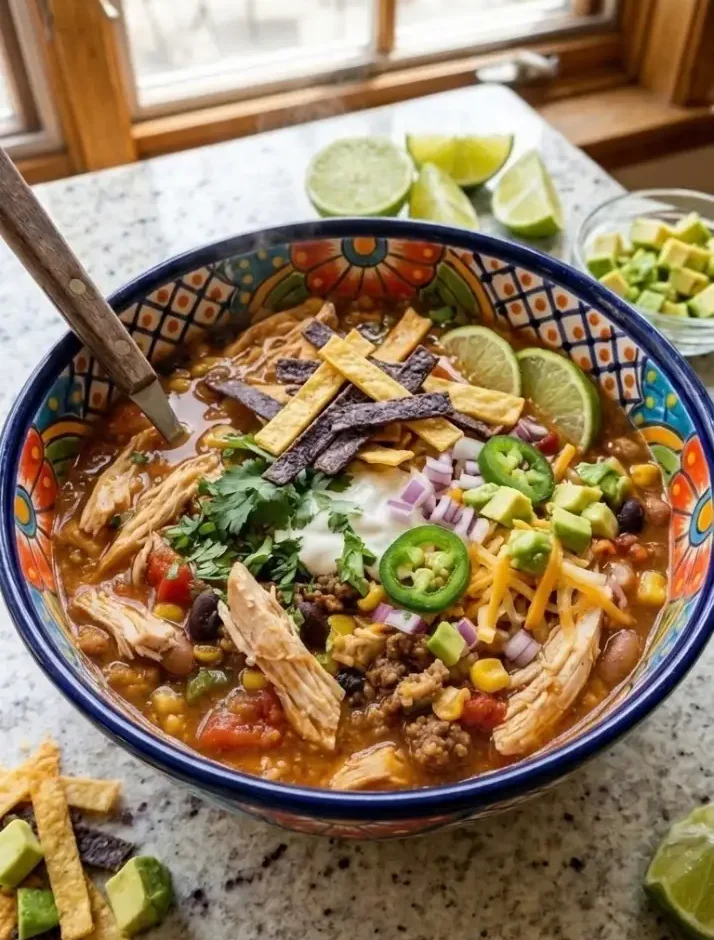
There is a moment, somewhere between adding the last handful of herbs and lowering the heat to a simmer, when a pot of soup stops being a collection of ingredients and becomes something worth sitting down for.
That is what this page is about. Soup and chowder recipes cover more ground than any other category in the kitchen: a 20-minute taco soup on a Tuesday night, a two-hour pork sinigang built for the weekend, a potato soup that costs less than six dollars and feeds four people well.
The range is part of what makes this category worth understanding rather than just following a recipe. Once you know why broth-based soups behave differently from cream-thickened chowders, once you understand what builds body and what adds depth, you stop needing to look up every bowl from scratch.
This page covers the technique, the tools, the common mistakes, and the recipes in this collection, so you can pick up any of them with confidence and actually know what you are doing.
What Is the Difference Between a Soup and a Chowder?
Soup is the broader term. It covers everything from a thin, aromatic broth with vegetables to a thick, protein-heavy stew that could double as a main course. What defines it is liquid as the primary medium: every soup is built around a base, whether stock, water, tomato, or cream, that carries the other flavors.
Chowder is a specific kind of soup. It is almost always cream or milk-based, almost always chunky rather than pureed, and almost always built around a starchy filler, most often potatoes or corn. The word comes from the French word for cauldron, and the original versions were fishermen’s soups made with whatever came out of the sea that day. Today, the two most recognizable versions are New England clam chowder, which is white and creamy, and Manhattan clam chowder, which is tomato-based and brothy. Neither is wrong. They are just different answers to the same question.
Start Here: The Chicken Tortilla Soup Recipe
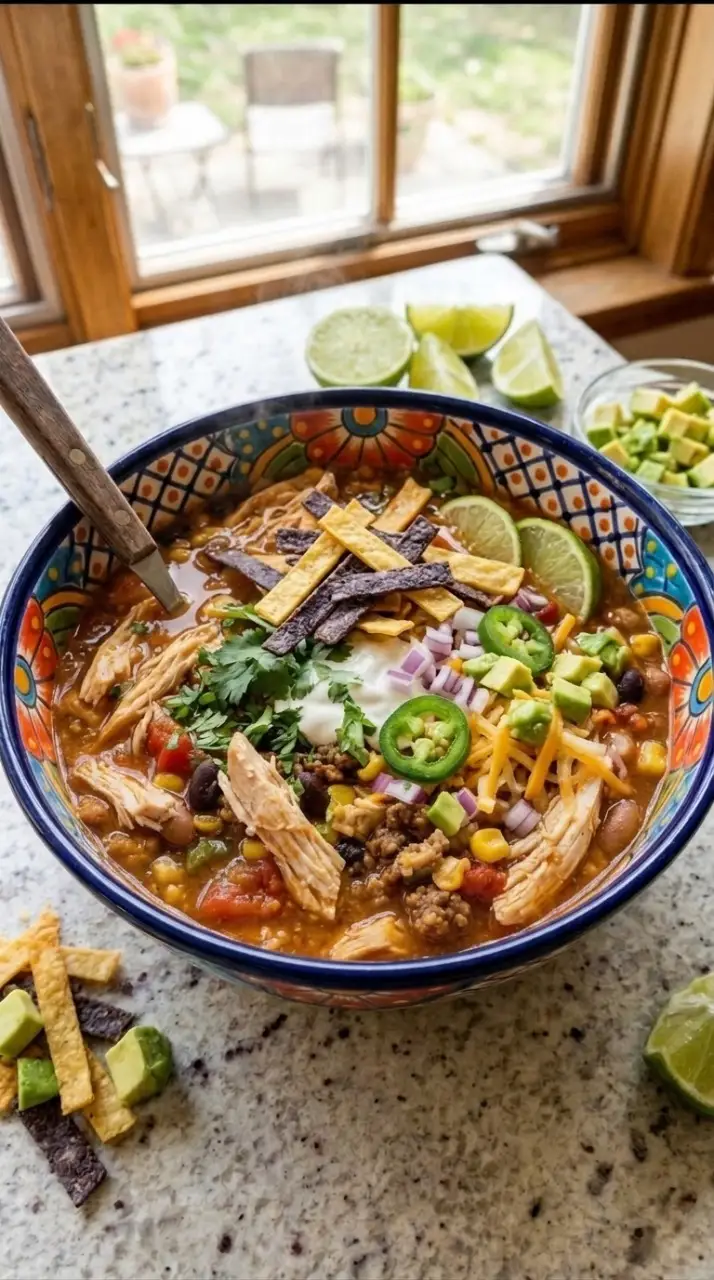
If you want to understand what a well-built soup looks like from start to finish, the Chicken Tortilla Soup Recipe is the best place to begin. It comes together in 45 minutes, runs on pantry staples, and walks through every stage that matters: building a base, adding liquid, controlling body, and finishing with garnish. The technique transfers to nearly every other soup in this collection. Make it once and you will cook the rest of these recipes faster.
The Start That Makes or Breaks the Whole Pot
Most soup recipes fail in the first five minutes. Not in the simmering stage, not in the seasoning stage. At the very beginning, when the aromatics hit the pan and the cook does not give them enough time.
The foundation of every good soup is what gets built before the liquid goes in. Onions, garlic, celery, carrots, and peppers need actual heat and actual time to release their sugars and start breaking down. When you rush this step, you get a soup that tastes like raw vegetables dissolved in water. When you do it right, you get a base that has depth, sweetness, and a savory backbone that no amount of seasoning can fake later.
Here is what the first stage looks like in practice. Heat a heavy pot over medium heat. Add your fat, butter for a cream-based soup, olive oil for a tomato or broth-based one. Add the aromatics and cook them, stirring occasionally, until the onion is translucent and just starting to show color at the edges. That takes between eight and twelve minutes. Not three. If the onions are still white and firm when you add the broth, the base is not ready.
The second critical step is blooming any dry spices in the fat before the liquid goes in. Ground cumin, chili powder, smoked paprika, and dried herbs need about 60 seconds of direct heat to open up. They taste flat when added to liquid cold. This is why the Easy Taco Soup comes together with such clear, well-defined flavor in only 20 minutes: the spices go into the pot before the broth, not after.
Body comes from one of three things: starch released by potatoes or pasta cooking directly in the liquid, a roux built at the start, or a puree of part or all of the finished soup. Chowders use all three methods at different times. A broth-based soup like the Chicken and Wild Rice Soup builds its body from the starch released by the wild rice as it cooks. Cream soups get their texture from blending, or from heavy cream added in the last ten minutes, never before, because cream curdles under sustained high heat.
Acid is added last, always. A squeeze of lemon, a splash of vinegar, a spoonful of tamarind. Acid does not just add sourness. It wakes up every other flavor in the pot and tells your brain the soup is finished. The Pork Sinigang is the clearest example of this: the tamarind souring agent is what transforms a good pork broth into something that tastes completely its own.
New England vs Manhattan Clam Chowder: Which One to Make
Manhattan clam chowder is the right choice for most home cooks, most of the time. That is not a popular opinion, but it is a practical one.
The difference is this: New England clam chowder is cream-based, white, thick, and rich in a way that makes it a complete meal in a bowl. Manhattan clam chowder is tomato-based, brothy, lighter, and considerably easier to pull off without it breaking or curdling. The cream version requires some care around heat management; if the temperature climbs too high after the dairy goes in, the soup splits and there is no clean way back from that.
Manhattan chowder does not have that problem. The tomato base is forgiving, the broth absorbs bold seasoning well, and the technique is close enough to any broth-based soup that it transfers intuitively. The Manhattan Clam Chowder on this site comes together in 30 minutes and does not require any specialized skill.
If you specifically want New England style, the recommendation is to treat it as a weekend project rather than a weeknight meal. Get good, fresh clams if you can, use a potato that holds its shape under long cooking (Yukon Gold, not russet), and add the cream in the last ten minutes over low heat. It is worth it when you do it right. It is a disappointment when you rush it.
What You Actually Need to Make Soup Well
Equipment first, because this is where a lot of people overspend or underspend in the wrong places.
A heavy-bottomed pot is the one thing that genuinely matters. Thin pots create hot spots, which means uneven cooking and scorching at the bottom, which means a burnt flavor running through the entire batch. A 6-quart enameled Dutch oven handles every recipe in this collection. A 5-quart stainless steel pot with a thick aluminum core works equally well and costs less. You do not need both.
An immersion blender is the second most useful tool. Transferring hot soup in batches to a countertop blender is time-consuming and creates a genuine burn risk. An immersion blender takes about 90 seconds to puree a pot of Butternut Squash Soup directly in the pot. It also gives you more control over texture: blend half the pot, leave the other half chunky, and you get a result a standard blender cannot match.
For ingredients, the most important pantry items for soups are: a quality stock (chicken or vegetable), a tin or two of good crushed tomatoes, dried aromatics like bay leaves and thyme, and at least one type of dried legume or pasta for body. Canned beans are not inferior to dried beans in soup. They are faster and the texture difference disappears after 20 minutes of simmering. The idea that canned beans are a shortcut worth apologizing for does not hold up.
Fresh herbs go in at the end, dried herbs go in at the beginning. Always. Dried parsley added at the end of cooking adds nothing. Fresh parsley added to a finished bowl adds brightness. This is not a preference; it is chemistry. Heat destroys the volatile oils that make fresh herbs worth using.
When to Make Which Soup
Fall and winter are the obvious windows, but treating soup as seasonal limits a category that is genuinely year-round. The Vegetable Soup and the Easy Taco Soup are both fast enough for August evenings when no one wants to stand over a stove for long. They take 20 to 30 minutes and do not heat the kitchen the way a roast would.
For weeknight efficiency, the rule is simple: if it takes under 45 minutes and uses one pot, it is a weeknight soup. The Rotisserie Chicken Soup fits this perfectly because the chicken is already cooked. The Pumpkin Ditalini Soup uses canned pumpkin and comes in at 35 minutes. The Easy Potato Soup is 30 minutes start to finish. These are not compromises.
For weekend cooking, the two-hour recipes earn their time. The Pork Sinigang and the Chicken and Wild Rice Soup both develop flavors that shorter soups cannot replicate. The wild rice needs close to an hour to cook through properly, and the pork sinigang depends on long simmering to tenderize the meat.
Soup is also the best food to make for company arriving on a cold night, because it holds well. Most soups taste better the next day than they did the first. Make the Creamy Italian Sausage Soup the night before a gathering, reheat it over low heat, and it will be more settled and better seasoned than it was fresh. Pair it with a loaf from the Easy Homemade Breads collection and you have a complete meal without last-minute scrambling.
Why Your Soup Tastes Flat and How to Fix It
The Base Was Not Built Long Enough
This one causes more flat soups than any other mistake. The aromatics were added and cooked for two minutes before the broth went in, and the whole pot tastes like it was assembled rather than cooked. The onions need to be soft and translucent, ideally with a little golden color at the edges, before any liquid is added. The garlic needs at least 60 seconds on its own to mellow from sharp to sweet. Skipping this step means starting from a deficit that seasoning alone will not fix.
The Seasoning Happened at the End Instead of in Layers
Salt added only at the finish line rounds flavors. Salt added throughout the cooking process builds them. Season the aromatics while they cook. Season the broth before adding the vegetables. Taste and adjust again when everything is in. By the time you reach the final 10 minutes, you should be making small corrections, not starting from scratch. A soup that gets all its salt in the last minute will taste sharp and one-dimensional no matter how much you add.
The Liquid Ratio Was Off
Too much liquid is the most common volume mistake, and it produces a thin, watery result that looks pale and tastes diluted. Most home cooks over-liquid because they are nervous about scorching. The fix is to start with less broth than you think you need and add it gradually after everything else is in the pot. You can always add liquid. Getting it back out once it is in requires simmering down, which takes time and concentrates flavors unevenly.
Dairy Was Added Too Hot or Too Early
Cream, milk, and cheese all break when exposed to a rolling boil. The result is a grainy or curdled texture that ruins the entire batch. The rule is dairy goes in last, heat goes to low before it does, and the pot does not return to a boil after. If you need to reheat a cream soup, do it slowly over medium-low heat with a lid cracked, stirring often. Microwaving in short bursts is actually safer for dairy soups than stovetop reheating at high temperature.
FAQ
How do you thicken soup without flour?
The most reliable methods are: blending a portion of the finished soup and stirring it back in, which adds body without changing the flavor; adding a cooked, mashed potato to the pot; or simmering the soup uncovered for 15 to 20 minutes to reduce the liquid volume. Cornstarch mixed with cold water works in a pinch but creates a slightly gelatinous texture that clashes with broth-based soups. For cream soups, simply adding more cream increases thickness. For bean soups, mashing a cup of cooked beans from the pot and stirring them back in gives you a thicker result with no off-flavors.
Can you put raw chicken directly into soup?
Yes. Raw chicken pieces, particularly thighs and drumsticks, can be added to a simmering broth and will cook through in 20 to 30 minutes, depending on size. Chicken breasts cook in 15 to 20 minutes. The advantage is that the chicken releases collagen and fat into the broth as it cooks, which builds both body and flavor. The Rotisserie Chicken Soup uses pre-cooked chicken and is the faster option, but starting with raw chicken produces a richer result.
What is the best soup to make ahead?
Broth-based and tomato-based soups are the best candidates for making ahead because they reheat without any quality loss. The Creamy Italian Sausage Soup and the Dumplings Chicken Noodle Soup both reheat well, though pasta and dumplings should be stored separately from the broth if you are planning more than one day ahead, because they absorb liquid and become mushy. Cream soups need careful reheating over low heat and do not freeze as well as broth-based versions.
Does simmering soup longer make it better?
Up to a point. The first 30 to 45 minutes of simmering does meaningful work: proteins cook through, starches release, and flavors begin to merge. Beyond that, the returns diminish quickly. Simmering for more than two hours can actually flatten flavors because aromatic compounds evaporate with the steam. The exceptions are soups built around tough cuts of pork or beef, where long, slow cooking is what breaks down the connective tissue into gelatin and makes the meat tender. The Pork Sinigang is a good example of this; the two-hour cook time is doing structural work, not just flavor work.
Is chowder just thick soup?
Thickness alone does not make a chowder. Chowder has a specific construction: it is chunky rather than pureed, almost always contains a starchy filler (usually potato), and is traditionally cream or tomato-based rather than pure broth. A pureed potato soup is not a chowder, even though it is thick. A thin New England clam broth with chunks of potato and clams technically fits the definition better than a blended cream of broccoli soup. The distinction matters in practice because the technique is different: chowder requires careful attention to keeping the chunks intact while building flavor in the liquid around them.
What vegetables go in soup first?
Dense, slow-cooking vegetables go first: carrots, celery, turnips, and potatoes all need 20 to 30 minutes of simmering. Faster-cooking vegetables go in the last 10 minutes: zucchini, corn, spinach, and peas. If you add spinach or zucchini at the beginning, they will be a colorless mush by the time the carrots are done. This is the single most common vegetable timing mistake, and fixing it makes a noticeable difference in texture and presentation. For the Vegetable Soup, the recipe stages the additions specifically for this reason.
All Soup and Chowder Recipes on CrispyGlaze
Every recipe in this collection has been tested, written with technique notes, and organized so you can find the right bowl for the time and occasion you actually have.
- Chicken Tortilla Soup Recipe — A 45-minute, one-pot soup built on a spiced tomato base with tender chicken, black beans, and corn, finished with crispy tortilla strips and your choice of toppings.
- Rotisserie Chicken Soup Recipe — A weeknight shortcut that turns store-bought rotisserie chicken into a deeply flavored broth soup in 45 minutes, with no need to roast or poach anything.
- Chicken and Wild Rice Soup — A 75-minute, cream-enriched soup where wild rice cooks directly in the broth, releasing starch that gives the final bowl a naturally thick, hearty body.
- Butternut Squash Soup — A smooth, fully pureed soup made in 55 minutes with roasted squash, warm spices, and a finish of cream that balances the natural sweetness of the gourd.
- Pork Sinigang — A Filipino sour broth soup that spends two hours building a tamarind-based stock around pork ribs until the meat is fall-tender and the broth has real depth.
- Dumplings Chicken Noodle Soup — A 45-minute intermediate-level soup that adds homemade dumplings to a classic chicken noodle base, making it substantially more filling than the standard version.
- Pumpkin Ditalini Soup — A 35-minute fall soup made with canned pumpkin and small pasta, where the two create a thick, filling texture that works as a full meal without any meat.
- Vegetable Soup — A light 30-minute broth soup that stages vegetables by cooking time so every piece finishes tender without turning to mush.
- Easy Taco Soup — A 20-minute soup that builds all the flavor of taco night into a one-pot bowl using ground beef, canned tomatoes, beans, and a full packet of taco seasoning.
- Easy Potato Soup — A 30-minute creamy potato soup that uses russet potatoes and a simple dairy finish to produce a thick, filling bowl that costs very little and takes almost no effort.
- Creamy Italian Sausage Soup — A 25-minute soup with Italian sausage, kale, and a cream-based broth that is closer to Zuppa Toscana than anything else, ready in less time than most pasta dishes.
- Manhattan Clam Chowder — A 30-minute tomato-based clam chowder that is brothy rather than creamy, easier to pull off than the New England version, and sharp enough to hold its own as a full meal.
I can’t stress enough how important it is to sometimes make your own soup; we have had instances where things didn’t go as expected, especially with ready-made soups.