The Best Slow Cooker and Crockpot Recipes That Make Coming Home to Dinner the Best Part of the Day
- May 18, 2026
- 20 Min Read
Let’s talk about the most underrated cooking strategy in American home kitchens. You drop everything in a pot before work, plug it in, and come home to a house that smells like you spent the whole day cooking. You did not. You spent four minutes. The slow cooker did the rest.
That is the pitch, and it is not even slightly exaggerated. Slow cooker and crockpot recipes are built on a simple principle: low, sustained heat over several hours converts cheap, tough cuts of meat into something tender enough to pull apart with a fork, develops flavors that fast cooking cannot replicate, and does all of it without requiring your attention.
It is not lazy cooking. It is smart cooking dressed up as lazy cooking, which is the best kind.
This collection covers twenty-two slow cooker and crockpot recipes spanning chicken, beef, pork, lamb, and a few things that will make people at your dinner table ask what you did differently. Dump and go slow cooker meals that take five minutes to assemble. All-day braises that fill the house with something extraordinary.
Crowd-feeding options that run themselves from setup to serving. The full range is here, every recipe is linked and real, and this guide covers exactly how to use your slow cooker to get the best possible result from each one.
What Slow Cooking Actually Does to Meat and Why It Works So Well
Low heat over a long time does something to collagen-rich cuts that no other cooking method can fully replicate. This is the science behind every great slow cooker and crockpot recipe, and understanding it changes the way you shop for meat.
Collagen is the connective tissue that runs through tougher cuts like chuck roast, short ribs, pork shoulder, and oxtail. At temperatures above 160°F, collagen begins converting to gelatin. That conversion takes time and requires a moist environment, which is exactly what a covered slow cooker provides.
The gelatin dissolves into the surrounding liquid and produces a broth with body and richness, while the meat fibers themselves become tender enough to pull apart or cut with minimal resistance.
A chuck roast that would be chewy and tough roasted for forty-five minutes in a 450°F oven becomes fork-tender after eight hours on low in a slow cooker. Same cut, completely different result, and the slow cooker version is better.
This is also why expensive, lean cuts do not work well in a slow cooker. Chicken breasts, pork tenderloin, and lean steaks do not have enough collagen or fat to sustain a long cook without drying out. They hit their done temperature quickly and then continue cooking past it, losing moisture in a sealed environment that has nowhere for that moisture to go except back into the meat as steam.
The result is dry, stringy protein that no amount of sauce can fully rescue. Slow cooker meal prep and all-day cooking work best with cuts that need time, not cuts that resist it.
Featured Recipe: Slow Cooker Barbacoa
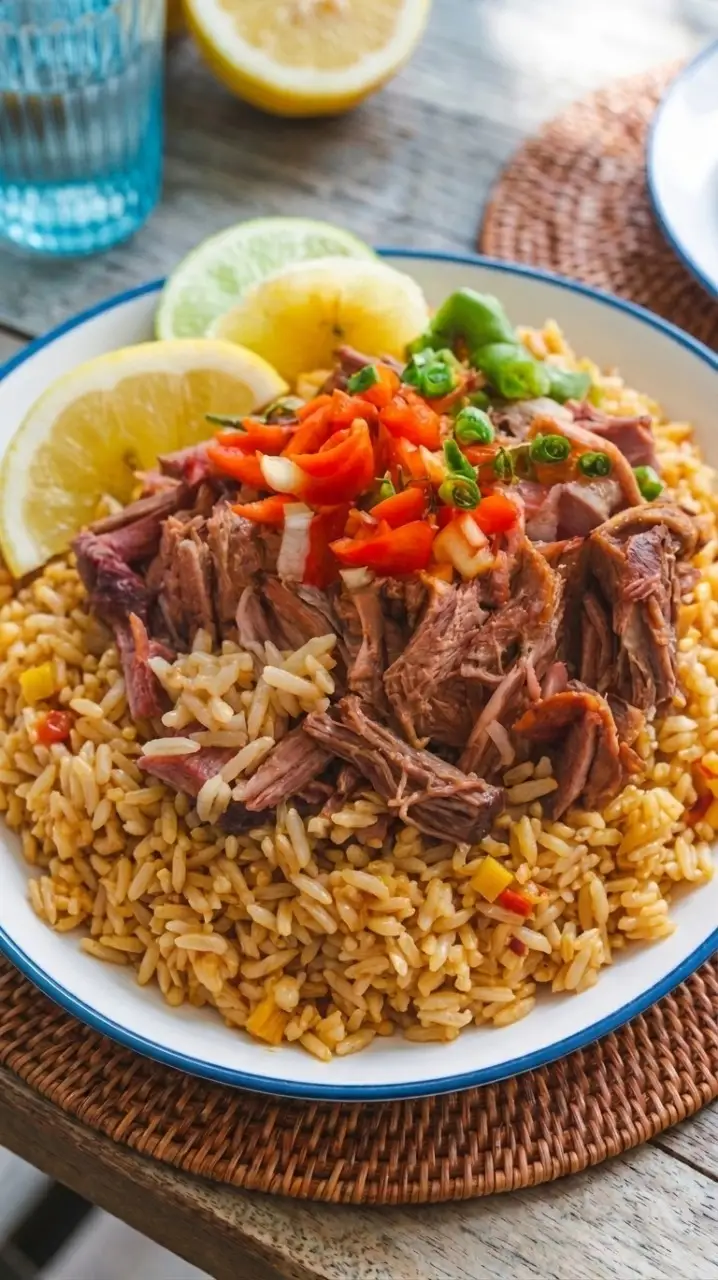
The Slow Cooker Barbacoa Recipe earns the featured spot because it does everything a great slow cooker recipe is supposed to do. Chuck beef goes in with dried chiles, chipotle in adobo, cumin, garlic, and a splash of apple cider vinegar.
Eight hours on low. The meat shreds clean, absorbs every bit of the braising liquid, and comes out of the pot seasoned all the way through rather than just on the surface.
It is the anchor recipe for slow cooker tacos, rice bowls, burritos, and any other format where you need a bold, versatile protein ready to go. The active prep time is under ten minutes. The result tastes like the kind of slow cooker cooking that makes people ask what you did differently. That is barbacoa done right.
How to Get Maximum Flavor From a Slow Cooker Without Standing at the Stove
The most common complaint about slow cooker cooking is that everything tastes the same: slightly bland, slightly one-dimensional, like the ingredients were cooked together rather than built into something. That complaint is valid and completely fixable.
The issue is that slow cookers trap everything. Every bit of moisture released by the ingredients stays in the pot. This is great for tenderness and terrible for flavor concentration.
In conventional roasting or braising, moisture evaporates and flavors concentrate. In a slow cooker, nothing leaves the pot, which means you get dilution rather than concentration over time. The fix is seasoning more aggressively at the start than you would for any other cooking method and reducing the finished liquid before serving.
Browning the meat before it goes into the slow cooker is the single step that produces the biggest flavor improvement. Searing in a hot skillet creates a Maillard reaction on the surface, developing hundreds of flavor compounds that do not form at slow cooker temperatures.
Those compounds then leach into the braising liquid over the long cook and give the finished dish a depth that unseared meat never reaches. Is it required? No. Is it worth the five extra minutes? Every time, yes.
For dump and go slow cooker recipes where you are genuinely not going to brown anything first, compensate with umami-rich ingredients that contribute concentrated flavor from the start: soy sauce, Worcestershire sauce, tomato paste, miso, or any fermented ingredient that has already done its flavor work before it hits the pot.
The Slow Cooker Italian Beef Recipe and the Crock Pot Mongolian Beef both use this approach, building the flavor foundation from pantry ingredients rather than from a sear.
Liquid quantity is the other variable most people get wrong. The temptation is to add enough liquid to cover the meat because that is what braising looks like in a pot on the stove. In a slow cooker, the meat releases its own moisture as it cooks and that moisture has nowhere to go.
Start with less liquid than you think you need, roughly half of what a conventional recipe would call for, and the finished dish will have a more concentrated, sauce-like consistency rather than a thin, watery one.
For slow cooker meal prep where you want the braising liquid to serve as a sauce, reduce it on the stovetop for five to ten minutes after the cook is done. It thickens fast and the flavor improvement is worth the extra step.
Dump and Go Slow Cooker Meals vs Low-and-Slow Braises: Which to Choose
Dump and go slow cooker recipes are the ones where you put everything in the pot raw, turn it on, and walk away with zero active cooking. Low-and-slow braises are the ones where you take ten to fifteen minutes at the start to brown, sauté, or layer your ingredients before the slow cooker takes over.
Both approaches produce great food. Choose based on your actual morning.
The dump and go approach wins on weekdays when you have ten minutes before work and need dinner running before you leave. The Chicken Stuffing Crock Pot Recipe, the Crockpot Butter Chicken, the Slow Cooker Pesto Chicken Recipe, and the French Onion Chicken Crockpot are all genuine dump and go slow cooker recipes where the only prep is opening a few packages and pressing a button.
These are also the strongest slow cooker meal prep candidates in the collection because they come together without thought and produce enough volume for multiple meals.
The low-and-slow braise wins on weekends or any morning where you have fifteen extra minutes and want a result that tastes noticeably more considered. The Beef Short Ribs Slow Cooker Recipe, the Slow Cooker Jamaican Oxtail Recipe, and the Slow Cooker Barbacoa Recipe all reward a quick sear before the pot goes on. The fifteen-minute investment at the start produces a finished dish that reads like a restaurant braise rather than a home slow cooker meal.
The practical recommendation: build your weekly slow cooker rotation around two or three dump and go recipes for busy mornings and save the sear-first approach for Saturdays when you want the cooking to feel like something worth doing.
The Cuts, Ingredients, and Equipment That Make Slow Cooker Recipes Work
Slow cooker pork chops and slow cooker ribs are two of the most searched slow cooker terms for good reason. Both cuts transform dramatically in the slow cooker, but they work differently and need different handling.
For slow cooker pork chops, bone-in chops are more forgiving than boneless because the bone slows heat penetration and the surrounding fat keeps the meat moist through a long cook. Boneless pork chops in a slow cooker for eight hours on low will almost always be dry. Bone-in chops for six hours on low are a different story.
Use a sauce with some fat content, whether cream-based, coconut milk-based, or a buttery gravy, to provide the moisture that lean boneless chops cannot generate on their own. The Pork Loin Crock Pot applies this principle to a larger pork cut with a clean, simple braising method that keeps the pork from going tight and dry.
For slow cooker ribs, the slow cooker is not the final cooking step. It is the tenderizing step. Cook the ribs in the slow cooker on low for six to eight hours until the meat is tender and just starting to pull from the bone, then finish them under the broiler or on the grill for ten to fifteen minutes to set the sauce and develop the caramelized exterior that makes ribs visually and texturally what they are supposed to be.
The Beef Short Ribs Slow Cooker Recipe follows this two-step logic, and the result has the fall-off-the-bone tenderness of a long braise with the sticky, caramelized exterior of a proper rib cook.
Chuck roast and chuck steak are the workhorses of slow cooker beef cooking for the collagen reasons covered above. The Chuck Steak Crock Pot Recipe and the Slow Cooker Pepper Steak Recipe both use chuck for exactly this reason. Affordable, forgiving, and genuinely better after eight hours than after forty-five minutes.
Mississippi Pot Roast, the viral slow cooker recipe that swept American food culture over the last decade, is built entirely on this same principle: chuck roast, a couple of seasoning packets, butter, and pepperoncini. That recipe is not in this collection, but the reason it took off is exactly why chuck is the right cut for slow cooker beef every time. The cut does the work.
A 6-quart slow cooker handles every recipe in this collection. Smaller cookers run hotter relative to volume, which means faster cooking and a higher risk of dried-out results on longer cooks.
A 6-quart gives you room for the meat and the liquid without crowding, and it accommodates a whole chicken, a full pork loin, or a large chuck roast without requiring you to cut anything down. If you are cooking regularly for more than four people, a 7 to 8-quart model is worth the investment.
Avoid lifting the lid during cooking. Every time the lid comes off, the internal temperature drops by approximately fifteen to twenty degrees and takes twenty to thirty minutes to recover. That lost heat adds meaningless time to the cook without improving the result. If you need to add ingredients in the last thirty to sixty minutes, do it quickly and put the lid straight back on.
What to Make by Season, Occasion, and Crowd Size
Fall and winter are when the slow cooker earns every inch of counter space it takes up. The Slow Cooker Jamaican Oxtail Recipe, the Corned Beef In Beer, and the Slow Cooker Lamb Shoulder Recipe are all cold-weather braises that produce something deeply warming and rich.
These are the recipes for a Sunday when you want the house to smell like dinner all afternoon. None of them require skill. All of them require time, and the slow cooker provides that without asking anything of you.
For game days and gatherings where you need food that holds well and feeds a crowd: the Buffalo Chicken Slow Cooker Recipe, the Slow Cooked Pulled Chicken, and the Slow Cooker Barbacoa Recipe are the format to reach for. Shredded protein in a slow cooker stays warm on the low setting for hours without drying out, which makes it the ideal format for self-serve taco bars, sandwich spreads, and rice bowl setups.
Slow cooker tacos built from barbacoa or pulled chicken are among the easiest large-format meals in home cooking: the slow cooker does everything, the toppings are self-serve, and the host does nothing during the party.
For a cold-weather crowd that wants something in a bowl, white chicken chili made in the slow cooker follows the same logic: chicken thighs, white beans, green chiles, and chicken broth go in at the start, the chicken shreds into the broth over six hours on low, and the result is a thick, hearty white chicken chili that feeds ten people from a single pot with zero active cooking time during the event.
For weeknights where you want something that sounds more interesting than another chicken breast: the Slow Cooker Teriyaki Chicken, the Crockpot Butter Chicken, and the Crock Pot Mongolian Beef all bring global flavors to the slow cooker format without adding complexity to the prep. Set them up in the morning and come home to something that could pass for takeout.
For a complete comfort food spread that pairs slow cooker mains with the broader CrispyGlaze lineup: the Soup and Chowder Recipes collection covers the brothy side of slow, warming cooking. And for the appetizer spread that runs alongside a slow cooker main at a party, the Make-Ahead Appetizers for Parties guide covers everything that can be prepped in advance and served cold while the slow cooker handles the main event.
When the Slow Cooker Goes Wrong: Four Problems With Real Fixes
The Meat Came Out Dry and Stringy
Dry slow cooker meat is almost always one of two things: the wrong cut or the wrong temperature setting. Lean cuts like chicken breasts, pork tenderloin, and sirloin steak do not have the fat or collagen to sustain a six to eight hour cook without drying out. Switch to thighs, chuck, shoulder, or any cut with visible fat and connective tissue and the problem resolves itself.
If you are using the right cut and still getting dryness, your slow cooker likely runs hot, which is more common than most people realize. Try the low setting instead of high for the same recipe. If a recipe says four hours on high, try six hours on low instead. Lower and slower keeps the internal temperature in the collagen-conversion zone without pushing past the point where muscle fibers squeeze out their moisture.
The Slow Cooker Crack Chicken Turned Watery
Slow Cooker Crack Chicken is one of the most searched slow cooker chicken recipes in America, and the most common complaint is a watery result. The problem is that cream cheese melts and the chicken releases moisture during cooking, and if you add too much liquid at the start, you end up with a thin, soupy result rather than a creamy one. The fix is to add little to no additional liquid for crack chicken recipes.
The chicken produces its own moisture and the cream cheese provides the fat. If your version came out watery, pour the liquid off carefully, shred the chicken directly in the pot, and stir everything together. The cream cheese and ranch seasoning will coat the shredded chicken and the result will be closer to what you were going for. Going forward, skip any added broth entirely for cream cheese-based slow cooker recipes.
The Sauce Is Thin and Watery at the End of the Cook
A thin sauce is a concentration problem, not a seasoning problem. Adding more salt to watery braising liquid makes it saltier, not more developed. The fix is to remove the meat, transfer the braising liquid to a saucepan, and reduce it over medium-high heat for five to ten minutes until it thickens to a consistency that coats the back of a spoon.
Alternatively, mix one tablespoon of cornstarch with two tablespoons of cold water, stir it into the slow cooker liquid on the high setting, and let it cook for fifteen minutes with the lid off. Both methods work. The stovetop reduction produces a more concentrated flavor.
The cornstarch slurry produces a quicker result without any transfer. For the Slow Cooker Pepper Steak Recipe and the Crock Pot Mongolian Beef, the cornstarch finish is built into the recipe and is what gives the sauce its glossy, restaurant-style coating.
The Vegetables Turned to Mush
Vegetables in a slow cooker cook faster than meat, and delicate vegetables like zucchini, peas, and spinach cook significantly faster than root vegetables. Adding all vegetables at the beginning of an eight-hour cook guarantees mush for anything that is not a carrot or a potato. Root vegetables like potatoes, carrots, and parsnips can go in at the start.
Everything else should go in during the last thirty to sixty minutes of cooking. If you are working with a recipe where everything is meant to cook together all day, stick to root vegetables and skip the delicate additions until the end. The Corned Beef In Beer is a good example of the right approach: cabbage and potatoes that can handle the full cook time without turning to paste.
FAQ
What is the difference between a slow cooker and a crockpot?
Crockpot is a brand name. Slow cooker is the generic appliance category. A Crockpot is always a slow cooker, but not every slow cooker is a Crockpot, in the same way that every Kleenex is a tissue but not every tissue is a Kleenex. In practical cooking terms, they are interchangeable and every recipe written for one works in the other.
The main functional differences between slow cooker brands are the temperature accuracy of the low setting and how tightly the lid seals. Both of those affect cook time but not the fundamental approach or the result.
What cuts of meat work best for slow cooker and crockpot recipes?
Cuts with collagen and fat are the right answer every time: chuck roast, short ribs, pork shoulder, pork butt, lamb shoulder, oxtail, and bone-in chicken thighs and drumsticks. These cuts have the connective tissue that converts to gelatin over a long cook, producing the tender, saucy result that makes slow cooker cooking worth doing.
According to Serious Eats, the collagen conversion that makes tough cuts tender requires sustained temperatures between 160°F and 180°F over multiple hours, which is exactly the range a properly functioning slow cooker on low maintains. Lean cuts like chicken breasts and pork tenderloin do not benefit from long, slow cooking and typically produce dry results.
How do you make slow cooker tacos that actually taste good?
Start with a well-marbled cut, either chuck beef for barbacoa-style tacos or bone-in chicken thighs for pulled chicken tacos. Season aggressively because the slow cooker traps moisture and dilutes seasoning over time. Build the flavor base from a combination of dried chiles, cumin, garlic, and either a small amount of tomato paste or a can of chipotle in adobo.
Cook on low for eight hours, shred directly in the pot, and let the meat sit in the cooking liquid for fifteen minutes before serving so it reabsorbs some of the flavor. The Slow Cooker Barbacoa Recipe is the benchmark here: seasoned beef that shreds clean, goes into warm tortillas with fresh toppings, and produces slow cooker tacos that have no business being as good as they are for how little work went in.
Can you do slow cooker meal prep with these recipes?
Yes, and this is one of the strongest use cases for the format. Most of the chicken and beef recipes in this collection produce enough volume for four to six servings, which means one slow cooker session on Sunday can cover three to four weeknight dinners in the refrigerator.
The shredded proteins in particular, pulled chicken, barbacoa, and Italian beef, are the most versatile meal prep vehicles in the collection because they work across multiple formats: tacos one night, rice bowls the next, sandwiches the night after. Store the meat in the braising liquid in sealed containers in the refrigerator for up to four days. Per USDA Food Safety guidelines, cooked meat stored in the refrigerator should be used within three to four days or frozen for longer storage.
What is the best way to thicken a slow cooker sauce?
The two methods that work most reliably are a cornstarch slurry and a stovetop reduction. For a cornstarch slurry, combine one tablespoon of cornstarch with two tablespoons of cold water, stir until smooth, add it to the slow cooker, switch to the high setting, and cook uncovered for fifteen to twenty minutes. The sauce thickens as the starch gelatinizes.
For a stovetop reduction, remove the meat, pour the liquid into a wide saucepan, and simmer over medium-high heat until it reaches the consistency you want. The reduction method produces a more concentrated, richer flavor. The cornstarch method is faster and keeps everything in one pot. Both work on the same braising liquid. Which one to use is a function of how much time you have at the end of the cook.
Can you put frozen meat in a slow cooker?
The USDA advises against cooking frozen meat in a slow cooker because the meat spends too long in the temperature danger zone between 40°F and 140°F as it thaws, creating conditions that can support bacterial growth. The Pork Loin Crock Pot recipe is specifically written for frozen pork loin with adjusted timing that accounts for the thawing period, but as a general rule, thawing meat completely before it goes into the slow cooker is the safer and more reliable approach for consistently good results.
All Slow Cooker and Crockpot Recipes on CrispyGlaze
Every recipe here is tested, real, and linked directly. Find the one that fits your morning and your appetite.
- Chicken Stuffing Crock Pot Recipe — dump and go, 6 hours, comfort classic
- Slow Cooker Whole Chicken — 8 hours, hands-off, feeds a family
- Buffalo Chicken Slow Cooker Recipe — 6 hours, game day crowd pleaser
- Beef Short Ribs Slow Cooker Recipe — 8 hours, finish under broiler
- Slow Cooked Pulled Chicken — 6-7 hours, meal prep favorite
- Salisbury Steak Recipe — 30 min stovetop, slow cooker finish
- Slow Cooker Pepper Steak Recipe — 6 hours, cornstarch glaze finish
- Slow Cooker Italian Beef Recipe — 8 hours, sandwich ready
- Slow Cooker London Broil Recipe — 8 hours, easy beef braise
- Slow Cooker Teriyaki Chicken — 4 hours, weeknight Asian flavor
- Slow Cooker Barbacoa Recipe — 8 hours, slow cooker tacos anchor
- Slow Cooker Jamaican Oxtail Recipe — 8 hours, rich weekend braise
- Slow Cooker Turkey Tenderloin — 6 hours, holiday alternative
- Corned Beef In Beer — 8 hours, St. Patrick’s Day staple
- Crock Pot Pierogies and Kielbasa — 6 hours, dump and go comfort
- Slow Cooker Lamb Shoulder Recipe — 6-7 hours, fall and winter standout
- Crockpot Butter Chicken — 6-7 hours, dump and go Indian-inspired
- Chuck Steak Crock Pot Recipe — 8 hours, budget cut, great result
- Pork Loin Crock Pot — 3-6 hours, works from frozen
- Crock Pot Mongolian Beef — 6-7 hours, glossy takeout-style sauce
- Slow Cooker Pesto Chicken Recipe — 6 hours, dump and go, Italian weeknight
- French Onion Chicken Crockpot — 6 hours, beginner, rich onion sauce
Here is the one thing that changes slow cooker cooking from good to genuinely great: season like the liquid is going to dilute everything, because it will. Double the aromatics. Use concentrated flavoring agents like tomato paste, soy sauce, or miso.
Brown the meat when you have five extra minutes. Reduce the finished liquid when it looks thin. Do those four things and the slow cooker stops being a convenience appliance and starts being the best braising setup in your kitchen. Which recipe is going in the pot this weekend?